The Healing Power of Hibiscus: A Guide to Its Health Benefits
TABLE OF CONTENTS

The hibiscus flower is a botanical marvel renowned for its captivating beauty and numerous health benefits. Its vibrant blooms and distinct petals have enchanted garden enthusiasts and herbalists alike for centuries. This article delves into the fascinating qualities of this extraordinary plant, offering insights into its cultural significance, health benefits, and various uses.
The Cultural Significance of the Hibiscus Flower
The hibiscus flower holds a revered position in various cultures around the world. In Hawaii, it is a symbol of hospitality and is often worn as a hair accessory by women. Countries such as Malaysia and South Korea consider it a national emblem, representing the diverse communities thriving on their lands. In India, it is used in pujas and rituals, symbolizing the divine feminine energy. The hibiscus thus transcends its botanical roots to emerge as a powerful cultural icon embodying grace and elegance.
Health Benefits of the Hibiscus Flower
Hibiscus flower isn’t just admired for its aesthetics; it boasts an array of health benefits too. The petals are rich in antioxidants, which help neutralize free radicals in the body. Hibiscus tea, a popular infusion made from the dried petals, is celebrated for its ability to lower blood pressure and improve cardiovascular health. Furthermore, the flower contains compounds that have been shown to assist in reducing “bad” LDL cholesterol levels. Recent studies suggest that hibiscus may also play a role in weight management and boosting liver health.
For those seeking natural remedies, the hibiscus flower offers an impressive assortment of potential benefits. Its soothing properties make it an excellent choice for alleviating anxiety and promoting mental clarity. Learn more about hibiscus and cardiovascular health.
Uses of the Hibiscus Flower
The hibiscus flower is versatile, and its uses extend beyond the therapeutic. In the realm of beauty, it is cherished for its revitalizing properties. Hibiscus-infused oils and extracts nourish the skin, making it a key ingredient in many cosmetic products. From hair masks to skin creams, the flower’s natural acids serve as a gentle exfoliant, leaving skin rejuvenated and radiant.
In the culinary world, hibiscus adds a tangy zest to various dishes and beverages. Its unique flavor is used to create refreshing drinks, preserves, and sauces that entice the palate with both a tart and sweet profile. Chefs worldwide are increasingly incorporating hibiscus into their creations, recognizing its ability to enhance both flavor and visual appeal. Explore hibiscus in culinary arts.
Conclusion
The hibiscus flower is a testament to nature’s creativity, showcasing a harmonious blend of beauty and utility. Not only does it enchant with its vibrant appearance, but its manifold uses enhance health and well-being. Whether embraced for its cultural significance, health benefits, or culinary uses, the hibiscus flower holds timeless allure and relevance. As continued research uncovers more about its remarkable properties, the legacy of this extraordinary flower is certain to flourish.
FAQs
What are the primary health benefits of the hibiscus flower?
The hibiscus flower is known for its numerous health benefits, including lowering blood pressure, improving cardiovascular health, reducing LDL cholesterol levels, and aiding in liver health. It is also used for its antioxidant properties.
How is the hibiscus flower used in beauty products?
Hibiscus is commonly used in beauty products for its revitalizing properties. The natural acids in the flower act as a gentle exfoliant, leaving the skin smooth and glowing. Hibiscus-infused oils and creams nourish and rejuvenate the skin and hair.
Can I incorporate hibiscus flower into my diet?
Absolutely! The hibiscus flower is versatile in the kitchen, adding a tangy flavor to drinks, sauces, and preserves. It’s a popular ingredient in teas and culinary dishes, enriching both taste and appeal.
BIG SALE | FAST SHIPPING
HOT PROMOTIONS!
CLOMIPHENE TABLETS 50mg 50 TABLETS FIERCE
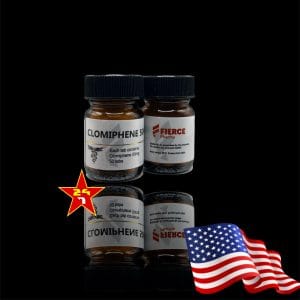
Original price was: $ 99.00.$ 89.00Current price is: $ 89.00.

FIERCE CLOMID 50MG 50CAPS
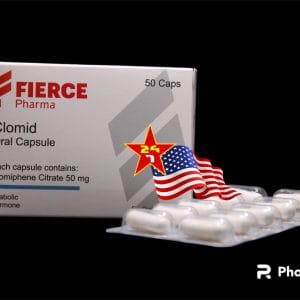
Original price was: $ 129.00.$ 119.00Current price is: $ 119.00.
ZPHC UltraMix 1ml amps x 10 amps - 1ml = 250mg
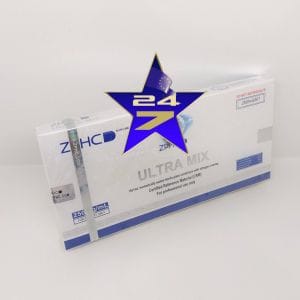
Original price was: $ 259.00.$ 179.00Current price is: $ 179.00.
CROWX 👑 CLOMIROW 50 Mg / 50 Tabs ( Clomid )
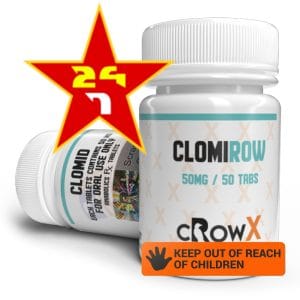
Original price was: $ 79.00.$ 69.00Current price is: $ 69.00.
CYT 3 6MG | T3 | Yohimbe | Clen | Weight Loss Blend | 100 Tablets Total Kit 600mg
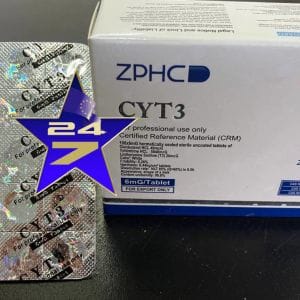
$ 69.00

The hibiscus flower, belonging to the Malvaceae family, is celebrated for its vibrant beauty and diverse species, known collectively as hibiscus or rose mallow. With its strikingly large, trumpet-shaped blooms and a wide array of colors ranging from deep reds and pinks to sunny yellows and whites, the hibiscus is a favorite in gardens and landscapes around the world. Beyond its ornamental appeal, the hibiscus has significant cultural and practical value; in many cultures, the flower symbolizes beauty, unity, and the fleeting nature of life, while certain species are renowned for their use in herbal teas and traditional medicines. Hibiscus tea, made from the sepals of the flower, is cherished not only for its tart flavor but also for its purported health benefits, including aiding in digestion and supporting cardiovascular health. Whether adorning a garden, featured as a motif in art, or sipped in a refreshing beverage, the hibiscus flower captivates with its multifaceted charm.