The Health Benefits of Jasmine Rice: A Nutritional Guide
TABLE OF CONTENTS

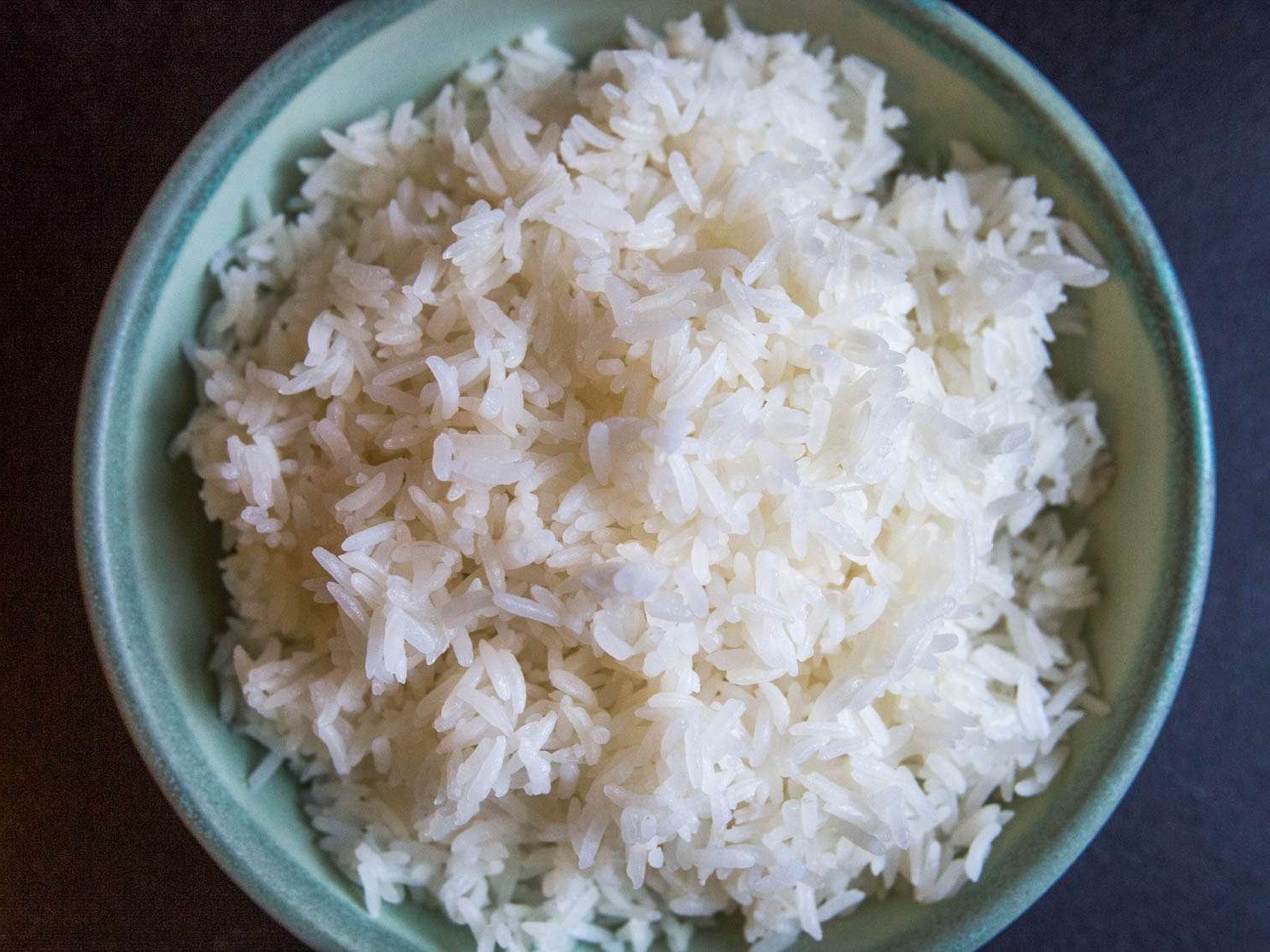
Jasmine rice is a fragrant, long-grain variety of rice predominantly grown in Thailand. Known for its floral aroma and slightly sticky texture when cooked, it is a staple in many Asian cuisines. Consumers often wonder, is jasmine rice healthy? This article aims to explore the nutritional benefits and potential drawbacks of incorporating this aromatic grain into your diet.
Nutritional Profile of Jasmine Rice
When considering if is jasmine rice healthy, it’s essential to examine its nutritional composition. A one-cup serving of cooked jasmine rice provides approximately:
-
- Calories: 205
-
- Protein: 4 grams
-
- Carbohydrates: 45 grams
-
- Fiber: 1 gram
-
- Fat: 0.5 grams
Jasmine rice is predominantly composed of carbohydrates, a crucial energy source for the body. Its protein content is modest, while the fat and fiber content are relatively low.
Health Benefits
Energy Boost
One of the primary considerations in evaluating is jasmine rice healthy is its ability to provide a quick energy source due to its carbohydrate content. This makes it an ideal option for athletes or individuals needing a boost before physical activity.
Gluten-Free and Easy to Digest
For those with gluten sensitivities or celiac disease, jasmine rice is a gluten-free option. Its simple composition makes it easy to digest, reducing digestive discomfort.
Potential Drawbacks
Glycemic Index
When determining whether is jasmine rice healthy, you must consider its glycemic index (GI). Jasmine rice has a relatively high GI, which means it can cause a rapid spike in blood sugar levels. This might be a concern for individuals with diabetes or those monitoring their blood sugar levels.
Nutrient Density
Compared to other whole grains like brown rice or quinoa, jasmine rice is less nutrient-dense. It contains lower levels of essential vitamins and minerals, since it is typically processed and milled, removing some of the nutrient-rich layers.
Choosing the Healthier Option
If you are considering, is jasmine rice healthy in comparison to other varieties, opting for brown jasmine rice can be a better choice. Brown jasmine rice retains its bran and germ, making it higher in fiber and nutrients.
BIG SALE | FAST SHIPPING
HOT PROMOTIONS!

ZPHC UltraMix 1ml amps x 10 amps - 1ml = 250mg

Original price was: $ 259.00.$ 179.00Current price is: $ 179.00.
FIERCE CLOMID 50MG 50CAPS

Original price was: $ 129.00.$ 119.00Current price is: $ 119.00.


Beligas 10ml Vial Testosterone NPP Blend 150mg

Original price was: $ 119.00.$ 99.00Current price is: $ 99.00.

CROWX 👑 CLOMIROW 50 Mg / 50 Tabs ( Clomid )

Original price was: $ 79.00.$ 69.00Current price is: $ 69.00.

Conclusion
In conclusion, the query “is jasmine rice healthy” is multifaceted. Jasmine rice offers nutritional benefits such as being an excellent energy source and gluten-free. However, its high glycemic index and lower nutrient density compared to whole grains may be drawbacks. For those seeking to improve the nutritional value, incorporating brown jasmine rice can be a beneficial alternative.
FAQs
What are the main differences between jasmine rice and white rice?
Jasmine rice and standard white rice differ mainly in aroma and texture. Jasmine rice has a fragrant aroma and is slightly stickier, whereas regular white rice is more neutral in scent and has a firmer texture.
Can consuming jasmine rice affect blood sugar levels?
Yes, due to its high glycemic index, jasmine rice can cause a rapid increase in blood sugar levels. Moderation and combining it with high-fiber foods can help mitigate this effect.
Is jasmine rice gluten-free naturally?
Absolutely, jasmine rice is naturally gluten-free, making it an excellent choice for individuals with gluten intolerance or celiac disease.
For more information on different types of rice, you may find this resource on Healthline and this guide by the Whole Grains Council helpful.
Jasmine rice, a long-grain variety primarily grown in Thailand, is known for its delicate floral aroma and slightly sticky texture when cooked. While it provides essential carbohydrates that serve as a primary source of energy, its health benefits can vary depending on the form in which it is consumed. White jasmine rice, which is more processed, tends to have a higher glycemic index, potentially causing quicker spikes in blood sugar levels compared to other whole grains. Conversely, brown jasmine rice retains its bran and germ, providing more fiber, vitamins, and minerals, making it a healthier choice for those seeking to maintain steady energy levels and improve digestive health. Including jasmine rice as part of a balanced diet, especially in its less processed form, can contribute beneficial nutrients, but it is essential to consider portion size and overall dietary balance to maximize health benefits.