

The Heart’s Secrets: Exploring Myocardial Delayed Enhancement

Myocardial delayed enhancement is a pivotal concept in cardiovascular imaging, particularly when utilizing magnetic resonance imaging (MRI) to assess cardiac tissue. This phenomenon refers to the accumulation of contrast material in myocardial tissues, appearing as high-intensity areas on late gadolinium-enhancement (LGE) cardiac MRIs. This article delves into the intricacies of myocardial delayed enhancement, its significance, and practical applications in cardiac diagnostics.
What is Myocardial Delayed Enhancement?
At its core, the term myocardial delayed enhancement describes a specific imaging technique used predominantly in cardiac MRI evaluations. Following the administration of a gadolinium-based contrast agent, delayed enhancement images are obtained to highlight areas of fibrosis or scar tissue within the myocardium. These areas are detected due to their propensity to absorb more contrast, thus appearing brighter than healthy myocardial tissue on MRI scans.
The mechanism underlying myocardial delayed enhancement is based on altered kinetics in damaged or fibrotic cardiac tissue. In these tissues, the extracellular space is expanded, allowing more contrast agent to penetrate and linger, resulting in a delayed washout compared to healthy myocardium. Consequently, this technique is invaluable for distinguishing between viable and non-viable myocardial tissue after cardiac events like a myocardial infarction.
Clinical Significance of Myocardial Delayed Enhancement
Myocardial delayed enhancement serves as a critical indicator in diagnosing a variety of cardiac conditions, including ischemic heart disease, myocarditis, and cardiomyopathies. By identifying areas of fibrosis or scarring, clinicians can better predict patient outcomes and tailor treatment strategies. This imaging modality also helps in assessing the potential for ventricular recovery, suitability for revascularization, and overall cardiac function.
Beyond diagnosis, myocardial delayed enhancement provides prognostic value. The presence and extent of delayed enhancement are correlated with the risk of adverse cardiac events, such as arrhythmias and heart failure. By understanding the extent of myocardial damage, healthcare providers can offer more personalized treatment plans and follow-up care.
Conclusion
In summary, myocardial delayed enhancement is an imperative tool in cardiac imaging, offering insights into myocardial viability, fibrosis, and scar tissue. It bridges the gap between anatomical imaging and the functional assessment of the heart, thus enhancing the diagnostic and prognostic accuracy of cardiac MRI. As technology and techniques continue to advance, the role of myocardial delayed enhancement in personalized cardiac care is poised to expand even further.
FAQs
- How does myocardial delayed enhancement differ from other imaging techniques? Myocardial delayed enhancement specifically focuses on highlighting scarred or fibrotic myocardial tissue using contrast-enhanced MRI, offering unique diagnostic insights not available with other modalities like echocardiography or standard MRI.
- Is myocardial delayed enhancement safe? Generally, it is considered safe, though patients with certain kidney conditions should avoid gadolinium-based contrast agents. Always discuss your specific health situation with your healthcare provider.
- Can myocardial delayed enhancement predict heart attacks? While it can identify areas of previous myocardial damage and assess risk, it is not used to predict acute heart attacks but rather to evaluate chronic changes post-event.
BIG SALE | FAST SHIPPING
HOT PROMOTIONS!
ZPHC UltraMix 1ml amps x 10 amps - 1ml = 250mg
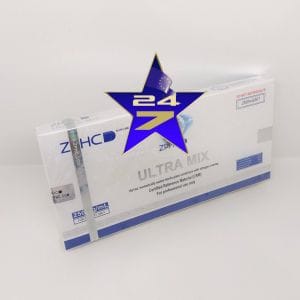
Original price was: $ 259.00.$ 179.00Current price is: $ 179.00.
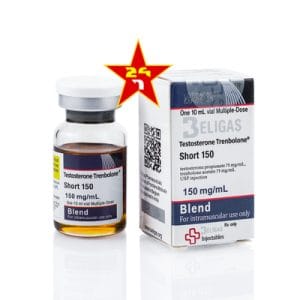
STADA MEGA CUTS BLEND 300 MG 10ML (TRENBOLONE)

Original price was: $ 129.00.$ 119.00Current price is: $ 119.00.
CLOMID 50MG FIERCE 50 TABLETS

Original price was: $ 129.00.$ 119.00Current price is: $ 119.00.
Beligas 10ml Vial Testosterone NPP Blend 150mg

Original price was: $ 119.00.$ 99.00Current price is: $ 99.00.

Fierce nandrolone decanoate 300 / ml 10ml

Original price was: $ 131.00.$ 119.00Current price is: $ 119.00.


Myocardial delayed enhancement is a diagnostic imaging technique used primarily in cardiac magnetic resonance imaging (MRI) to identify and assess myocardial scarring and fibrosis. This method involves the administration of gadolinium-based contrast agents, which tend to accumulate in areas of damaged myocardial tissue due to altered washout kinetics and increased extracellular space compared to healthy myocardium. After a certain delay post-contrast injection, these areas exhibit hyperenhancement on the MRI images, providing crucial information on various cardiac conditions, such as myocardial infarction, cardiomyopathies, and myocarditis. Identifying myocardial delayed enhancement aids in evaluating the extent and severity of myocardial damage, influencing treatment decisions and patient prognosis, as it provides insights into myocardial viability, arrhythmogenic potential, and overall cardiac function.