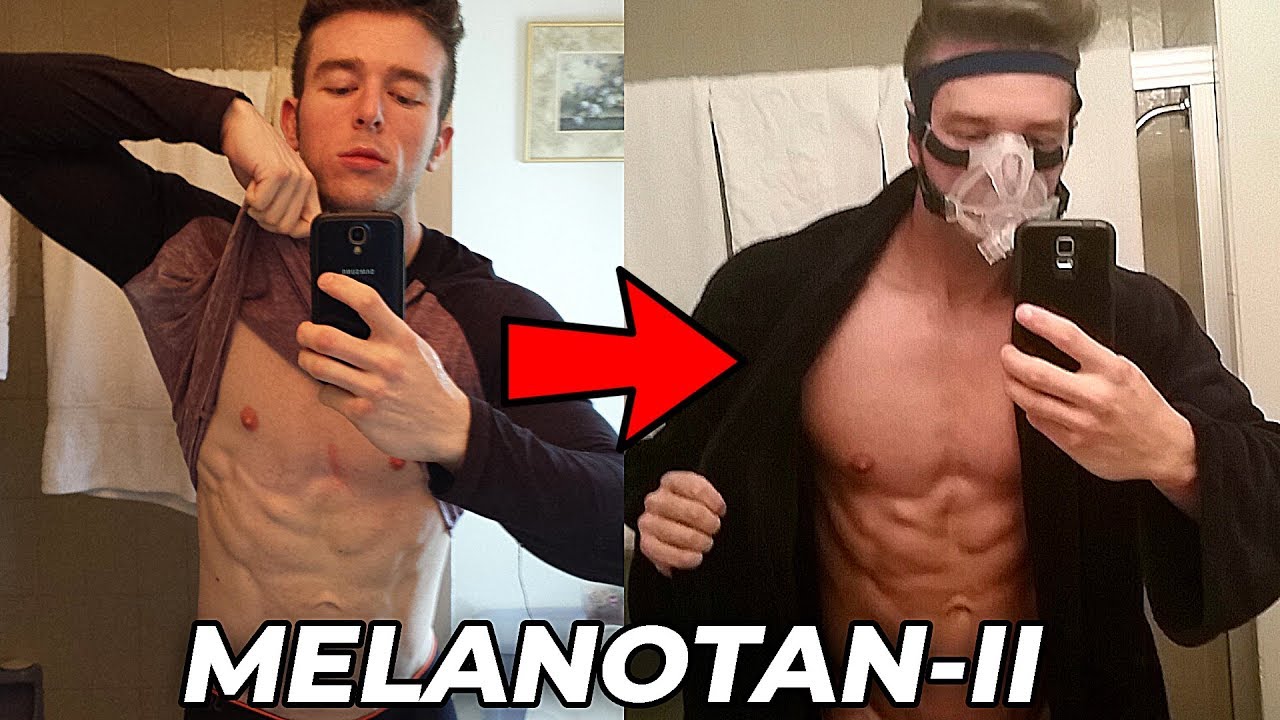
The Impact of Melanotan II on Skin Health
TABLE OF CONTENTS

In recent years, Melanotan II has garnered attention for its potential to enhance skin tanning, assist in weight loss, and amplify libido. Originally developed as a peptide analogue of alpha-melanocyte-stimulating hormone (α-MSH), this compound has opened discussions around cosmetic and medical advancements. 🌟
What is Melanotan II?
Melanotan II, frequently referred to as MT2, is a synthetic peptide developed to mimic the natural hormone α-MSH. It’s mainly known for inducing skin tanning effects without the need for extensive UV exposure. This has piqued interest among individuals seeking to achieve an aesthetic tan while reducing the risks associated with prolonged sun exposure.
How Does Melanotan II Work?
When administrated, Melanotan II stimulates the body’s melanocytes, the cells responsible for producing melanin. More melanin results in a darker skin tone, providing a protective barrier against harmful UV radiation. Additionally, MT2 can influence other body processes, potentially aiding in weight reduction and enhancing sexual desire.
Potential Benefits of Melanotan II
While Melanotan II is primarily noted for its tanning effects, studies suggest several other potential benefits:
- Skin Protection: By increasing melanin production, Melanotan II can help protect against UV damage, thus potentially lowering the risk of skin cancer.
- Weight Management: There is some evidence to suggest that MT2 may help with weight reduction by influencing appetite and energy balance.
- Libido Enhancement: Some users report heightened sexual arousal and increased libido, making MT2 interesting for those exploring solutions for sexual dysfunction.
Considerations and Side Effects
Despite the benefits, it’s crucial to consider possible side effects. Users may experience nausea, facial flushing, or increased moles and freckles after prolonged use. 🚑 Consultation with healthcare professionals before using Melanotan II is highly recommended to mitigate these risks.
Conclusion
In conclusion, Melanotan II holds promising potential across various domains, including cosmetic tanning and potential health benefits. Like any supplement or pharmaceutical, it carries a spectrum of side effects and should only be used under careful guidance. As research continues, Melanotan II might become more widely accepted for its multifaceted benefits. 🧬
[h5>FAQs About Melanotan II
- Is Melanotan II legal?
MT2 is not approved for use by health agencies like the FDA in many countries, and legality varies based on location.
- How is Melanotan II administered?
Most commonly, it is administered through subcutaneous injections.
- Can Melanotan II be used in skin care routines?
While it may contribute to darker skin, it is not a substitute for traditional skincare products or sun protection methods.
For more information on Melanotan II, check out our detailed guide.
Stay informed on the latest in peptide research and beauty advancements. Explore more with #peptides #skincare #antiaging and beyond!
Melanotan II is a synthetic analog of the alpha-melanocyte-stimulating hormone (α-MSH), primarily developed to produce a tanned effect on the skin by stimulating the production of melanin. Originally developed in the 1980s, it has attracted interest not only for its ability to induce skin bronzing without sun exposure but also for its potential effects on sexual function, as some users have reported increased libido and erectile function. Despite these perceived benefits, Melanotan II is not approved for use in many countries, including the United States, due to concerns about its safety and potential side effects, which may include nausea, increased blood pressure, and changes in moles or freckles. Moreover, its unregulated status has raised alarms about the quality and authenticity of products available online, heightening the risk of adverse effects. Consequently, while some individuals seek it for aesthetic purposes, medical professionals advise caution due to the lack of comprehensive clinical safety evaluations.