
The Power of Consistency: Benefits of Steady-State Cardio
TABLE OF CONTENTS

Steady state cardiovascular exercise, characterized by a constant, moderate level of effort over an extended period, remains a staple in fitness routines worldwide. It’s popular due to its accessibility and the multitude of benefits it provides. Unlike high-intensity interval training (HIIT), which consists of short bursts of intense effort, steady state cardiovascular exercise requires maintaining a heart rate at approximately 50-70% of one’s maximum capacity. This article delves into the essence of steady state cardiovascular exercise, its benefits, and practical examples to keep your routine fresh and engaging.
The Benefits of Steady State Cardiovascular Exercise
One of the primary advantages of steady state cardiovascular exercise is its sustainability and lower risk of injury compared to more intense workouts. For those just starting on their fitness journey, this exercise type offers a manageable entry point. It allows for the gradual improvement of cardiovascular health, increased endurance, and efficient calorie burning, which can aid in weight management. Furthermore, steady state cardiovascular exercise is an excellent option for active recovery when combined with higher intensity workouts during the week.
A lesser-discussed benefit is the mental solace that comes with these exercises. The repetitive and predictable nature of steady state workouts can be meditative and stress-relieving, allowing practitioners to focus on breathing, form, and rhythm.
Varied Forms of Steady State Cardiovascular Exercise
When we think of steady state cardiovascular exercise, jogging or running often comes to mind. However, there is an array of activities that fit this category and help prevent boredom. Whether you choose cycling, swimming, elliptical training, or rowing, each form has unique contributions to overall fitness. Switching between these variations can prevent overuse injuries and maintain motivation levels.
For instance, cycling provides a low-impact option that’s gentle on the joints and can be performed outdoors or indoors. Swimming is another excellent full-body workout that challenges the cardiovascular system while being easy on the body. Engaging in different forms of steady state cardiovascular exercise not only keeps the workouts fresh but also develops different muscle groups and movement patterns.
Conclusion
Incorporating steady state cardiovascular exercise into your routine offers numerous physical and mental benefits. By varying activities, you can continually challenge your body and keep your workouts engaging. Regularly participating in this type of exercise helps build endurance, supports weight management, and can contribute to overall cardiovascular health. Don’t forget that a balanced workout program should include both aerobic and anaerobic exercises to achieve comprehensive fitness goals.
FAQs
What is steady state cardiovascular exercise?
Steady state cardiovascular exercise involves maintaining a consistent moderate intensity over a prolonged period. This type of exercise keeps your heart rate steady, typically between 50-70% of your maximum heart rate.
How often should I perform steady state cardiovascular exercise?
For general health, it’s recommended to engage in 150 minutes of moderate-intensity cardiovascular exercise per week. Incorporating steady state workouts 3-5 times a week is ideal, depending on your fitness level and goals.
Can steady state cardiovascular exercise help with weight loss?
Yes, it can. By burning calories at a consistent rate, steady state cardiovascular exercise can contribute to a caloric deficit, which is necessary for weight loss. Combining this with a balanced diet enhances the effect.
What are some alternatives to running for steady state cardiovascular exercise?
Alternatives to running include cycling, swimming, rowing, and using stair climbers or elliptical machines. Each of these provides a steady cardiovascular workout while reducing the impact on your joints.
Learn more about heart health from the American Heart Association.
Discover additional workout tips from the Mayo Clinic.
BIG SALE | FAST SHIPPING
HOT PROMOTIONS!

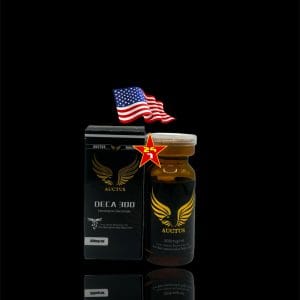
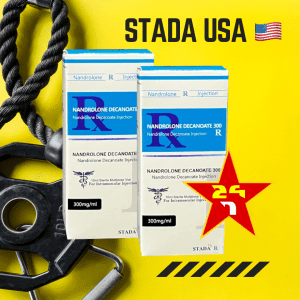
Fierce nandrolone decanoate 300 / ml 10ml

Original price was: $ 131.00.$ 119.00Current price is: $ 119.00.


ZPHC UltraMix 10ml MultiUse Vial 1ml = 250mg

Original price was: $ 255.00.$ 179.00Current price is: $ 179.00.

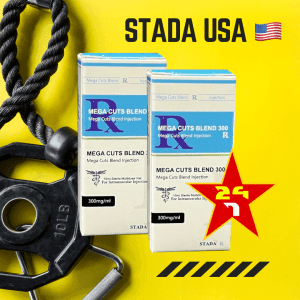
STADA MEGA CUTS BLEND 300 MG 10ML (TRENBOLONE)
Original price was: $ 129.00.$ 119.00Current price is: $ 119.00.
Steady state cardiovascular exercise, often referred to as aerobic exercise, involves engaging in physical activities at a consistent, moderate intensity for extended periods, typically exceeding 20 minutes. This type of exercise, including jogging, cycling, swimming, or rowing, focuses on maintaining a steady pace without significant fluctuations in effort or intensity. The primary benefits of steady state cardio include improved cardiovascular endurance, efficient calorie burning, and enhanced aerobic capacity. By sustaining the heart rate within a target zone, individuals can optimize oxygen utilization by the muscles, boosting overall cardiovascular health. Additionally, steady state workouts are generally low-impact and can be tailored to suit various fitness levels, making them an accessible and sustainable component of a balanced exercise regimen.