The Power of Protein: How Whey is Revolutionizing Fitness Nutrition
TABLE OF CONTENTS

Whey, a byproduct of cheese production, has long been recognized for its versatile applications, ranging from nutritional supplements to culinary enhancements. Although it’s a beneficiary ingredient, the principle of “never use the same whey twice” remains a popular notion among enthusiasts and experts alike. This article explores the characteristics, applications, and the rationale behind not reusing whey.
Understanding Whey
Whey is the liquid material left after milk has been curdled and strained. It’s a complete protein, rich in essential amino acids, which makes it valuable for recovery and muscle building. Whey proteins, particularly those optimized for sports supplements, are absorbed quickly by the body, granting them an edge over other protein sources. Not only is whey integral to bodybuilders and athletes, but it also finds its place in culinary applications, skincare, and even pet nutrition.
Applications and Benefits of Whey
Whey is extensively utilized across various industries owing to its nutritive properties. In the food industry, it enhances the protein content of products such as snack bars, baked goods, and beverages. For athletes, whey protein supplements facilitate muscle recovery and growth. Beyond nutrition, whey serves as an organic fertilizer in agriculture and an additive in skincare products due to its hydrating properties.
Culinary Delights: Culinary enthusiasts often use whey in baking to add moisture and improve the texture of bread. In its fermented form, such as ricotta or yogurt whey, it can enhance flavors in soups and stews. However, reusing whey in cooking is discouraged because, upon reuse, it loses its nutritional potency and may alter the desired taste and texture.
Nutritional Supplements: Whey protein supplements are a favorite among fitness aficionados. Regular intake aids in muscle repair and meets daily protein requirements efficiently. Whey should be consumed promptly after being prepared to ensure maximum nutrition retention.
The Principle of “Never Use Same Whey Twice”
Despite its advantages, the notion to “never use the same whey twice” circulates largely due to potential nutrient loss and hygiene concerns. When whey is repeatedly subjected to heating or other processing methods, its beneficial components may degrade. Moreover, improper storage or reuse can lead to contamination, rendering it less beneficial or even harmful.
Nutrient Degradation: Due to its biological composition, whey is prone to contamination once it’s exposed to air and moisture. Each reheating or reuse cycle depletes its nutritional quality.
Safety Concerns: Reusing whey in different processes increases the risk of bacterial growth, which can pose health risks. Consequently, the integrity of the original compound is compromised, potentially altering desired outcomes in recipes or nutrition plans.
BIG SALE | FAST SHIPPING
HOT PROMOTIONS!


Beligas 10ml Vial Testosterone NPP Blend 150mg

Original price was: $ 119.00.$ 99.00Current price is: $ 99.00.


Fierce nandrolone decanoate 300 / ml 10ml

Original price was: $ 131.00.$ 119.00Current price is: $ 119.00.


Conclusion
Whey serves as a multifaceted component respected for its nutritional and functional benefits. However, due to nutrient degradation and safety precautions, the maxim to “never use the same whey twice” stands as a practical and precautious guideline. This ensures that whey remains a valuable asset without unforeseen risks or diminished quality.
FAQs
What is whey?
Whey is a liquid byproduct of cheese production, rich in nutrients and proteins, commonly utilized in supplements, culinary applications, and skincare.
Can I reuse whey in cooking?
No, it’s advisable not to reuse whey in cooking due to potential nutrient loss and contamination risks. Opt for fresh whey to ensure quality and safety.
Is whey protein safe for daily consumption?
Yes, whey protein is generally safe for daily use. It should be consumed as per dietary requirements and individual health goals. Always consult a nutritionist or healthcare provider for personalized guidance.
For further reading on whey benefits and applications, visit Healthline and ScienceDirect.
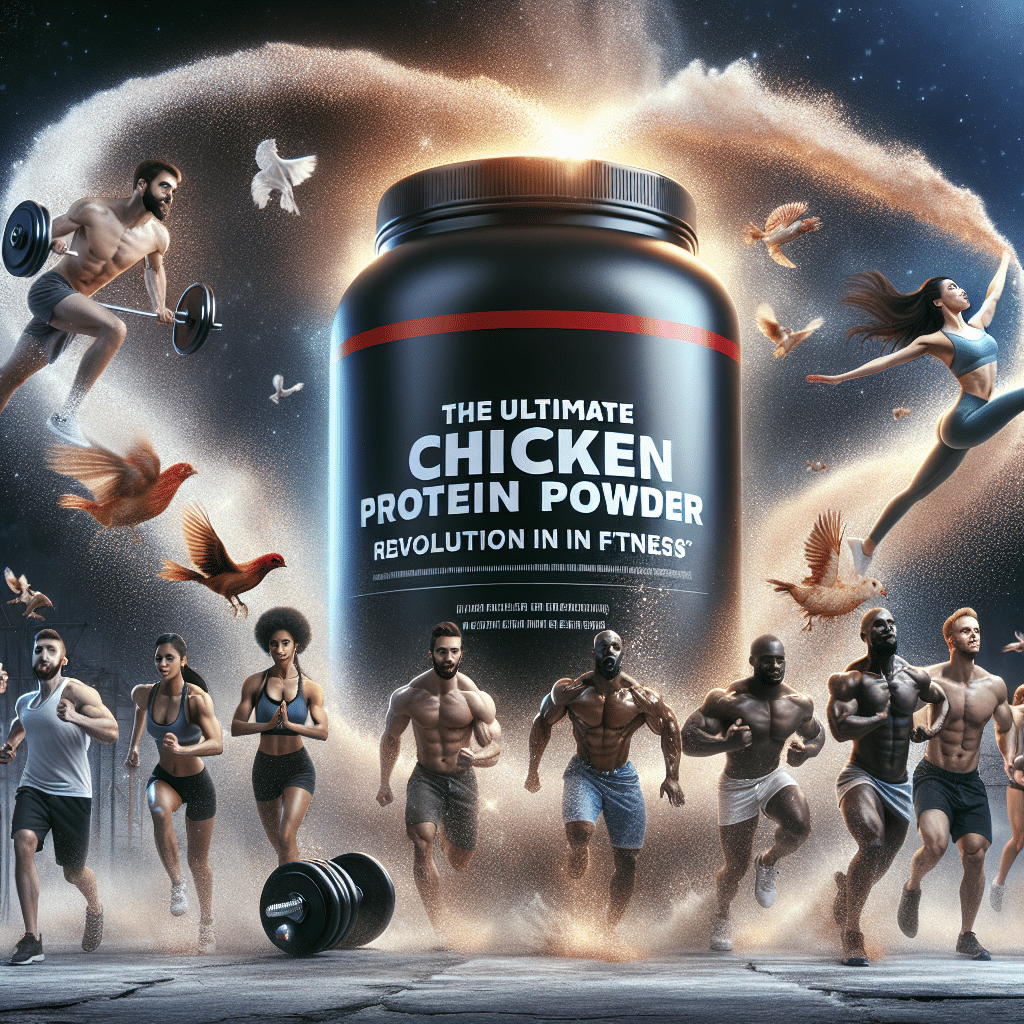
Whey is a high-quality protein that is derived from milk during the cheese-making process, where it remains as a liquid byproduct after the curd is formed and separated. Rich in essential amino acids and renowned for its rapid absorption, whey protein has become a staple in the health and fitness industry, favored by athletes, bodybuilders, and those seeking to increase muscle mass, repair tissue, or enhance overall nutrition. It is available in various forms, including whey protein concentrate, isolate, and hydrolysate, each offering varying levels of protein content and absorption rates. Beyond its muscle-building properties, whey is also studied for its potential benefits in weight management, immune support, and reducing inflammation. Its versatility allows for easy incorporation into shakes, smoothies, baked goods, and other dietary applications, making it a convenient option for those looking to supplement their protein intake.