

The Psychology of Popping: Why We Can’t Resist Squeezing Zits

When it comes to skincare, one of the most controversial and oddly satisfying topics is zit popping. Those pesky little blemishes can appear at the most inopportune times, prompting many to take things into their own hands, quite literally. While popping a pimple can sometimes offer instant relief and gratification, dermatologists typically advise against it due to potential risks such as scarring, infection, and even more severe acne outbreaks.
The Science Behind Zit Popping
Zits, or pimples, mainly erupt when hair follicles on the skin become clogged with excess sebum, dead skin cells, and bacteria. As the body mounts an immune response, pus forms, creating a tempting target for zit popping enthusiasts. The satisfaction derived from this act is considered by some psychologists to be a form of positive reinforcement, as the visual and tactile feedback can release dopamine — a chemical in the brain that elicits feelings of pleasure.
Risks of Poppping Zits
Despite its appeal, those considering popping zits should weigh the risks carefully. When not done correctly, having a hand at zit popping can lead to:
- Infections: Using unsanitized tools or hands can introduce more bacteria to the area, exacerbating the problem.
- Scarring: Squeezing and pressing can damage deeper layers of the skin, leaving permanent marks.
- Increased Breakouts: Popping a zit can push bacteria and sebum deeper into the skin, leading to more breakouts.
The Right Way to Deal With Zits
If you absolutely must engage in zit popping, it’s vital to follow a sterilized approach to minimize negative effects. Start by washing your hands and the affected area with soap. Use a clean, sterilized needle to gently prick the surface of the pimple. This should be done only when the zit has formed a visible white or yellow head. Lightly press with sanitized cotton swabs, not your fingers, to extract the pus.
For those averse to the risks of zit popping, dermatologists recommend alternative treatments like topical creams containing benzoyl peroxide or salicylic acid, which can help reduce acne effectively.
Conclusion
The urge for zit popping is something many people experience, but it’s important to approach it with caution. While satisfying in the short term, it carries risks that can have a lasting impact on your skin’s health and appearance. Therefore, it’s often best to leave blemish management to the professionals or use medically approved treatments.
BIG SALE | FAST SHIPPING
HOT PROMOTIONS!


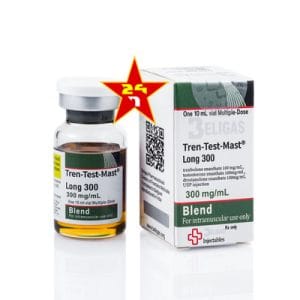
STADA MEGA CUTS BLEND 300 MG 10ML (TRENBOLONE)

Original price was: $ 129.00.$ 119.00Current price is: $ 119.00.
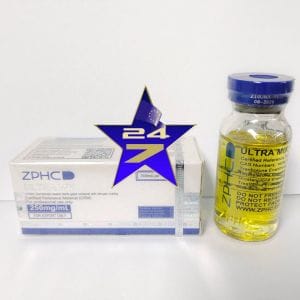
ZPHC UltraMix 10ml MultiUse Vial 1ml = 250mg
Original price was: $ 255.00.$ 179.00Current price is: $ 179.00.

FAQs About Zit Popping
Should I pop my zits?
Popping zits is generally discouraged due to the potential for infection and scarring. It is advisable to use alternative acne treatments.
Can popping a zit cause more acne?
Yes, improperly popping a zit can push bacteria deeper into the skin and lead to further breakouts.
Are there any safe methods for zit popping?
If you must pop a zit, ensure you sterilize all tools and follow hygienic procedures to minimize the risk of infection or scarring.
For additional guidance, consider consulting authoritative resources such as the American Academy of Dermatology or Mayo Clinic’s skin care tips.
Zit popping, a common yet controversial practice, involves manually breaking the surface of a pimple to release its contents, which typically include sebum, bacteria, and dead skin cells. While many people find the act satisfying and even therapeutic, dermatologists often warn against it due to the potential risks involved. Improper popping can lead to skin damage, infections, scarring, and potential spreading of bacteria that exacerbate acne. Despite this, the allure of immediate, albeit temporary, relief from the pressure and discomfort of a pimple keeps the practice widespread. There are safer alternatives, such as using topical treatments or professional extractions, which are recommended for those seeking clearer skin without the associated risks of DIY methods.