The Rise of Halal Food Restaurants in Today’s Culinary Scene
TABLE OF CONTENTS

In recent years, the culinary world has awakened to the rich and diverse flavors of halal food. With its roots steeped in cultural and religious significance, halal food offers a vibrant tapestry of tastes that tantalize the palate. For food enthusiasts and curious diners alike, halal food restaurants serve as gateways to explore this unique and diverse cuisine.
The Allure of Halal Food Restaurants
Halal food is prepared according to Islamic dietary laws and is appreciated not just by Muslim communities, but by food lovers worldwide. What sets halal food apart is its emphasis on cleanliness, ethical sourcing, and preparation. Each dish embodies a story of cultural heritage and tradition. As the demand for halal food grows, halal food restaurants have been opening their doors across the globe, offering a mosaic of flavors from the Middle East, South Asia, North Africa, and beyond.
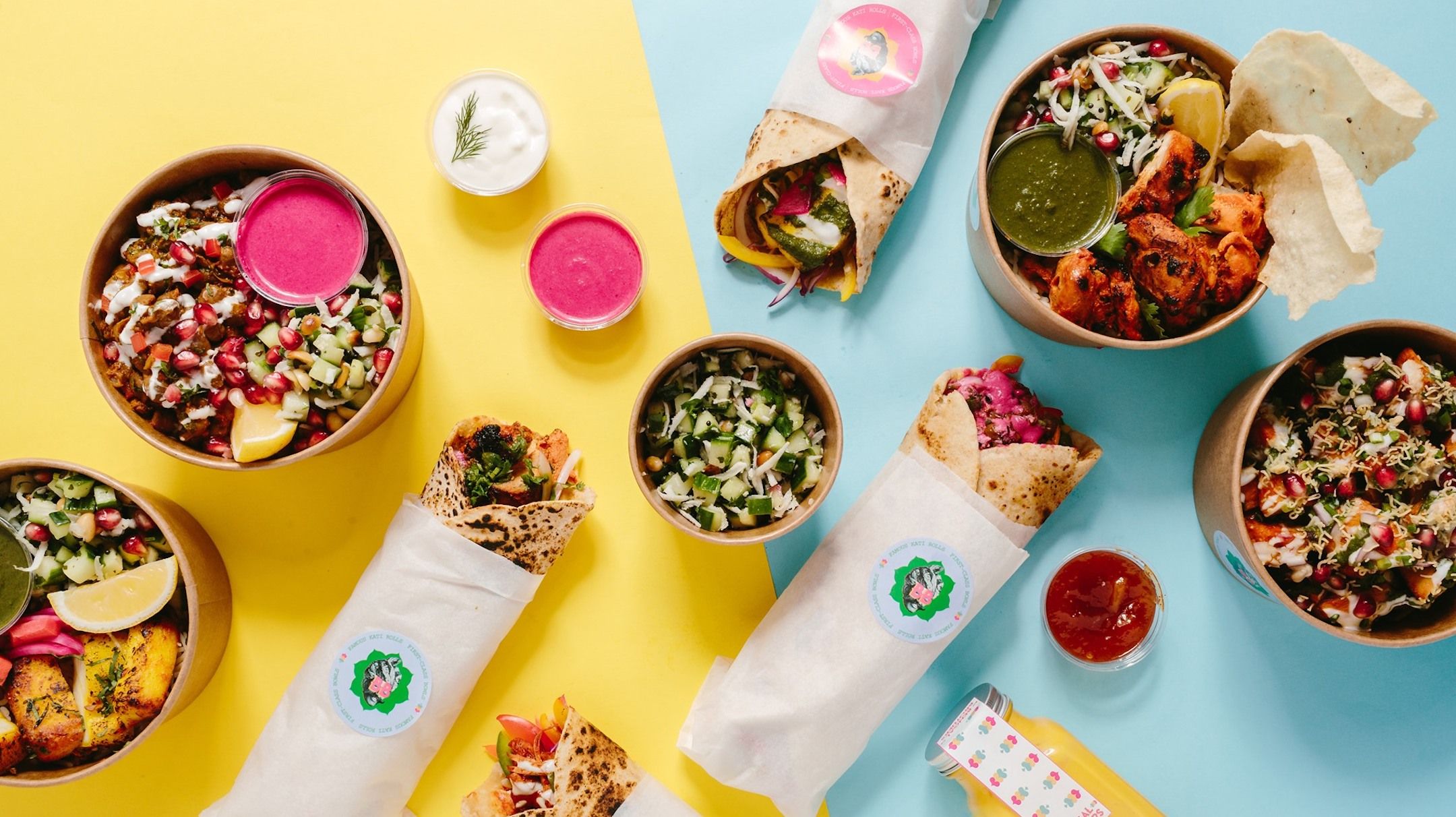
In a halal food restaurant, one is likely to encounter a delightful array of dishes, from succulent kebabs to flavorful biryanis and aromatic tagines. The chefs there are often well-versed in their craft, skillfully blending spices and ingredients to create dishes that are both authentic and innovative.
The Halal Dining Experience
A visit to a halal food restaurant offers more than just a meal; it is an experience that engages all senses. The warmth of hospitality often reflects the values of sharing and unity inherent in Islamic culture. Diners are welcomed with an ambiance that’s both inviting and comfortable, perfect for both casual meals and family gatherings.
Halal food restaurants are also mindful of dietary restrictions and offer a range of options for vegetarians, vegans, and those with gluten intolerance. This inclusivity ensures that everyone can enjoy the delicious offerings without worry.
A Culinary Adventure Awaits
For those new to halal cuisine, a halal food restaurant is a perfect entry point to embark on a culinary adventure. Many restaurants not only feature traditional dishes but also fuse global flavors, pushing the boundaries of culinary creativity. This fusion captures the spirit of globalization and culinary exchange, illustrating how food can bridge cultural divides.
As the halal food market continues to expand, more innovative restaurants appear on the scene, each with its unique take on halal gastronomy. From casual eateries to upscale dining venues, there is something to suit every taste and budget.
Conclusion
Halal food restaurants provide a unique dining experience that both preserves tradition and embraces innovation. They offer a flavorful journey that is accessible to anyone willing to explore. As more people discover the joys of halal cuisine, the world becomes a richer, more interconnected place. For those yet to experience this vibrant culinary world, the invitation is open to explore a halal food restaurant near you.
BIG SALE | FAST SHIPPING
HOT PROMOTIONS!


STADA MEGA CUTS BLEND 300 MG 10ML (TRENBOLONE)

Original price was: $ 129.00.$ 119.00Current price is: $ 119.00.

CLOMIPHENE TABLETS 50mg 50 TABLETS FIERCE

Original price was: $ 99.00.$ 89.00Current price is: $ 89.00.





FAQs
What is a halal food restaurant?
A halal food restaurant serves dishes prepared according to Islamic dietary laws. These establishments offer a range of cuisines that emphasize freshness, ethical sourcing, and traditional preparation methods.
Can non-Muslims dine at halal food restaurants?
Yes, halal food restaurants welcome people from all backgrounds. The appeal of halal food extends beyond religious lines, attracting diners who appreciate its quality and flavor.
How do I find a halal food restaurant near me?
Online platforms like Zomato and Tripadvisor offer comprehensive listings of halal food restaurants in various locations. Additionally, many restaurants mark themselves as halal on their websites and menus.
By exploring the rich offerings of halal food restaurants, diners can indulge in an unforgettable culinary experience that reflects a world of flavor, tradition, and innovation.
A Halal food restaurant specializes in preparing and serving dishes that adhere to Islamic dietary laws, which are outlined in the Quran. These establishments ensure that the food is permissible, or “halal,” by sourcing meat from animals slaughtered according to specific religious guidance and avoiding any ingredients deemed haram, such as pork and alcohol. These eateries often offer a diverse range of cuisines, including Middle Eastern, Mediterranean, South Asian, and even Western dishes adapted to meet halal standards. Halal restaurants provide a welcoming environment for Muslim diners seeking assurance that their meals respect their faith’s dietary restrictions, while also catering to non-Muslims interested in exploring flavorful and ethical culinary options. With the rising demand for halal food globally, these restaurants are increasingly popular, celebrated for their diverse menu offerings and commitment to authenticity and quality.