The Role of Delta Sleep-Inducing Peptide in Restful Nights
TABLE OF CONTENTS

Delta Sleep-Inducing Peptide, often abbreviated as DSIP, is a naturally occurring peptide that has garnered significant interest in the field of sleep research. Known for its potential to promote restful sleep, DSIP has been the subject of numerous studies since its discovery.
Understanding Delta Sleep-Inducing Peptide
Delta Sleep-Inducing Peptide is a neuropeptide isolated from the brain. It is primarily associated with sleep regulation and has been shown to influence the hypothalamic-pituitary-adrenal axis, thereby affecting the body’s response to stress. DSIP’s structure allows it to penetrate the blood-brain barrier, which is crucial for its physiological effects.
Researchers are particularly interested in DSIP’s potential therapeutic benefits for sleep-related disorders, stress management, and even some chronic pain conditions. Its natural occurrence in various tissues across both animals and humans further underscores its biological significance.
Potential Benefits of Delta Sleep-Inducing Peptide
One of the primary areas of DSIP research focuses on its ability to enhance sleep quality. Studies suggest that DSIP can promote slow-wave sleep, which is essential for restorative rest and cognitive function.
Additionally, DSIP might help manage stress and improve mood. Its impact on the hypothalamic-pituitary-adrenal axis can lead to a reduction in cortisol levels, the hormone responsible for stress. This makes DSIP a candidate for addressing stress-related symptoms.
Some research has also explored the potential analgesic effects of DSIP, proposing its use in managing chronic pain conditions. As science continues to unravel its mechanisms, Delta Sleep-Inducing Peptide remains a focal point for developing innovative therapeutic approaches.
FREE SHIPPING
HOT PROMOTIONS!
BIG SALE | FAST SHIPPING

SUSTANON 500 AUCTUS TESTOSTERONE BLEND 10ML

Original price was: $ 140.00.$ 119.00Current price is: $ 119.00.

SUSTANON 300MG BLEND AXIOM 10ML
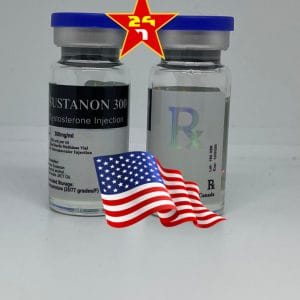
Original price was: $ 118.00.$ 99.00Current price is: $ 99.00.
Beligas Propha Testosterone 10 vials x 1ml (Propionate) 150mg

Original price was: $ 84.00.$ 79.00Current price is: $ 79.00.
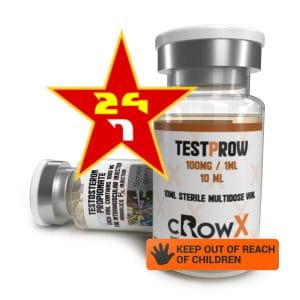

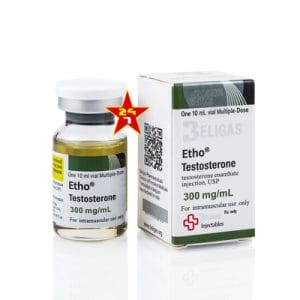
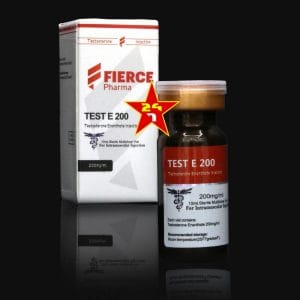
AXIOM TESTOSTERONE ENANTHATE 300MG 10ML

Original price was: $ 119.00.$ 99.00Current price is: $ 99.00.

Fierce testosterone propionate 100mg / ml 10ml

Original price was: $ 72.00.$ 69.00Current price is: $ 69.00.
AXIOM TESTOSTERONE CYPIONATE 300MG 10ML

Original price was: $ 119.00.$ 99.00Current price is: $ 99.00.



Conclusion
In conclusion, Delta Sleep-Inducing Peptide is a promising neuropeptide with diverse applications in the realms of sleep enhancement, stress management, and pain relief. Its natural presence in the body and ability to traverse biological barriers position it as an intriguing compound for further exploration. The potential benefits of DSIP are vast, yet more research is essential to fully understand its mechanisms and optimize its use in clinical settings.
For additional information on enhancing performance and well-being, you can explore resources like Steroid Planner, Steroid, John Doe Bodybuilding, and Ulaska.
FAQs
What is Delta Sleep-Inducing Peptide?
Delta Sleep-Inducing Peptide is a neuropeptide associated with promoting restful sleep and regulating stress responses in the body.
How does DSIP work?
DSIP influences the hypothalamic-pituitary-adrenal axis and can penetrate the blood-brain barrier, affecting sleep regulation and cortisol levels.
Can DSIP help with stress?
Yes, studies suggest that DSIP can help manage stress by reducing cortisol levels in the body.
Are there any side effects?
Research is ongoing, and while DSIP shows promise, more studies are necessary to fully understand its safety profile and potential side effects.
How is DSIP administered?
DSIP is typically administered via injection. It’s important for users to consult healthcare professionals for appropriate usage.
Delta Sleep-Inducing Peptide (DSIP) is a neuropeptide that was first isolated in the 1970s and is associated with promoting sleep, particularly deep sleep stages. While its precise role in sleep regulation remains a subject of research, DSIP is known to have the ability to reduce stress and modulate the body’s response to stressors. Beyond its connection to sleep, DSIP is also believed to influence various physiological functions, including hormone release and thermoregulation. Some studies suggest it can impact pain perception and may have potential therapeutic applications for sleep disorders and stress-related conditions. However, more research is needed to fully understand its mechanisms and clinical efficacy.