The Role of Human Growth Hormone in Women’s Health
TABLE OF CONTENTS

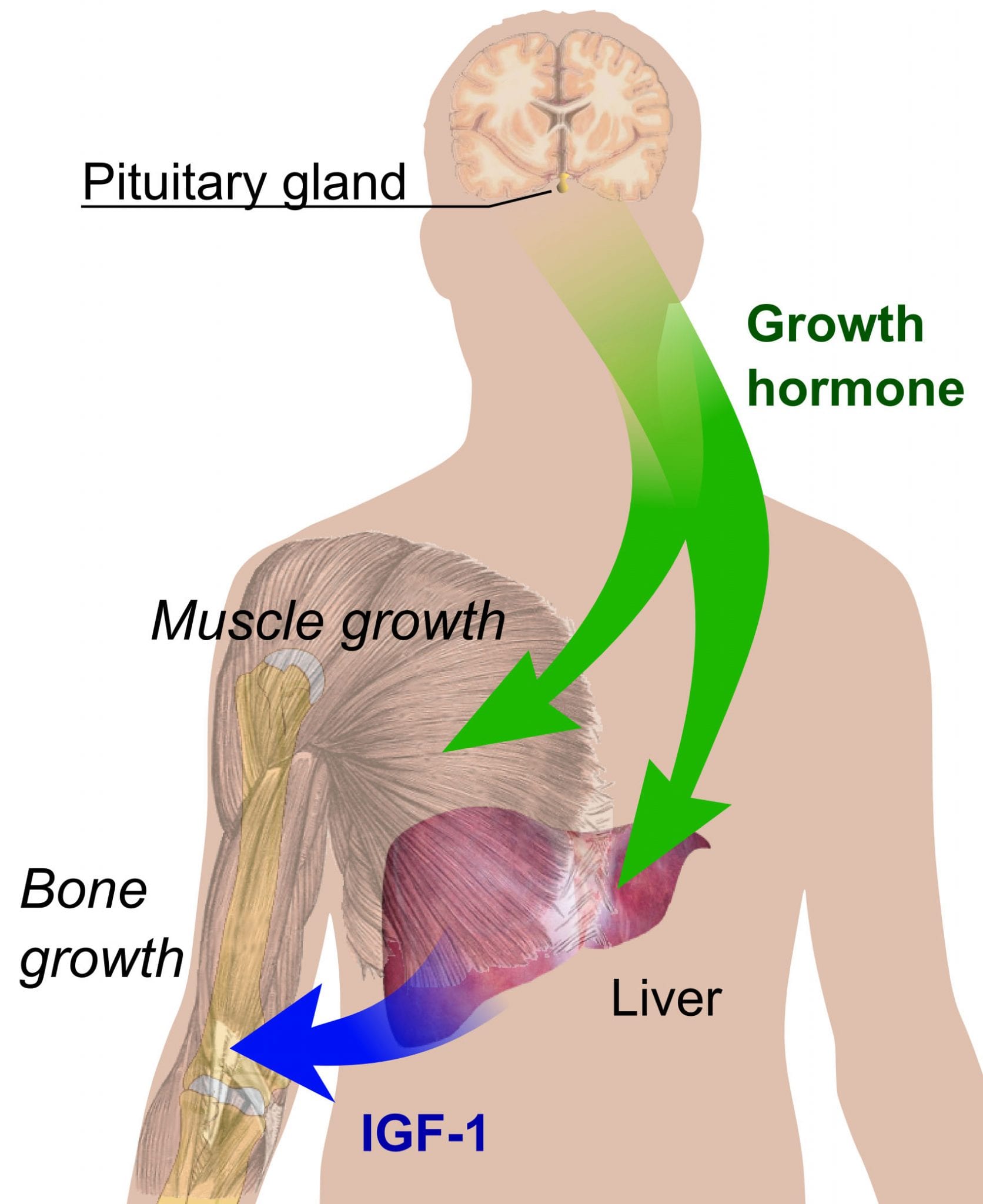
Human Growth Hormone (hGH) is a naturally occurring peptide hormone produced by the pituitary gland. It plays a crucial role in growth, cell repair, metabolism, and overall human development. Though often associated with male strength-building, the significance of hGH in women is equally profound, affecting a myriad of physiological processes unique to the female body.
The Role of hGH in Women
In women, hGH is associated with several critical functions, from maintaining healthy tissues to supporting the cardiovascular system. As women age, the natural production of hGH decreases, which can lead to various signs of aging, such as decreased muscle mass, increased fat accumulation, and reduced skin elasticity.
hGH also plays a pivotal role in women’s reproductive health. It assists in the regulation of menstrual cycles, supports the development of healthy ova, and aids in the overall reproductive process. Thus, maintaining optimal levels of hGH can contribute to improving fertility and reproductive vitality.
Benefits of hGH in Women
Women may consider hGH supplementation for the following benefits:
-
- Improved Bone Density: hGH is vital for maintaining strong bones, and adequate levels help prevent osteoporosis, a condition more prevalent in women.
-
- Enhanced Muscle Mass and Reduced Fat: By enhancing protein synthesis, hGH helps in building muscle and reducing adipose tissue, contributing to a leaner physique.
-
- Anti-aging and Skin Health: Women often seek hGH for its potential anti-aging effects, such as improved skin texture and elasticity.
-
- Increased Energy and Endurance: Some women notice that hGH boosts their overall energy levels and enhances physical performance.
Despite these benefits, it is essential to approach hGH therapy with caution. Women should consult a healthcare provider to assess whether hGH supplementation is appropriate for their specific health needs and conditions.
Considerations and Risks
While hGH has its benefits, there are potential risks. Unsafe or improper use can lead to side effects, such as joint pain, edema, insulin resistance, and even the development of diabetes. Therefore, it is vital to understand the implications fully before commencing any form of hGH therapy.
Conclusion
In conclusion, hGH plays a vital role in the health and aging process of women, offering significant benefits when utilized correctly. However, because of potential side effects, it is crucial to pursue hGH treatments responsibly under medical supervision. More research is required to fully understand the complexities of hGH therapy and to optimize its effectiveness for women’s health.
FAQs
What is the primary purpose of hGH in women?
hGH in women primarily aids in maintaining healthy body composition, supporting reproductive health, improving energy levels, and slowing signs of aging.
Are there any risks associated with hGH supplementation?
Yes, there are risks such as joint pain, edema, and potential insulin resistance. It is vital for women considering hGH therapy to consult with healthcare professionals to minimize these risks.
Can hGH directly impact women’s fertility?
Yes, hGH in women can improve fertility by aiding in the regulation of menstrual cycles and supporting ovarian health.
For further reading on this topic, you may visit NIH’s page on hGH and Mayo Clinic’s article on hGH therapy.
BIG SALE | FAST SHIPPING
HOT PROMOTIONS!



ZPHC UltraMix 1ml amps x 10 amps - 1ml = 250mg

Original price was: $ 259.00.$ 179.00Current price is: $ 179.00.


In conclusion, while hGH in women offers promising benefits, it remains imperative to approach treatment responsibly and ensure that any supplementation is conducted under proper medical guidance. With informed and careful use, hGH can be an influential tool in enhancing a woman’s quality of life and overall well-being.
Human Growth Hormone (HGH) plays a significant role in women’s health, influencing various physiological processes. Produced by the pituitary gland, HGH is vital for growth, cell repair, and metabolism. In women, adequate levels of HGH contribute to maintaining healthy muscle mass, bone density, and skin elasticity, which can be particularly beneficial as they age. Additionally, HGH helps in regulating body composition, enhancing the body’s ability to burn fat and improve energy levels. However, some women seek HGH therapy for its potential anti-aging benefits, although its effectiveness and safety for such purposes are debated within the medical community. It’s crucial for women considering HGH supplementation to consult healthcare professionals, as inappropriate use can lead to adverse effects such as joint pain, swelling, and an increased risk of diabetes and other health issues.