
The Role of Pituitary Growth Hormone in Human Development

What is the Pituitary Growth Hormone?
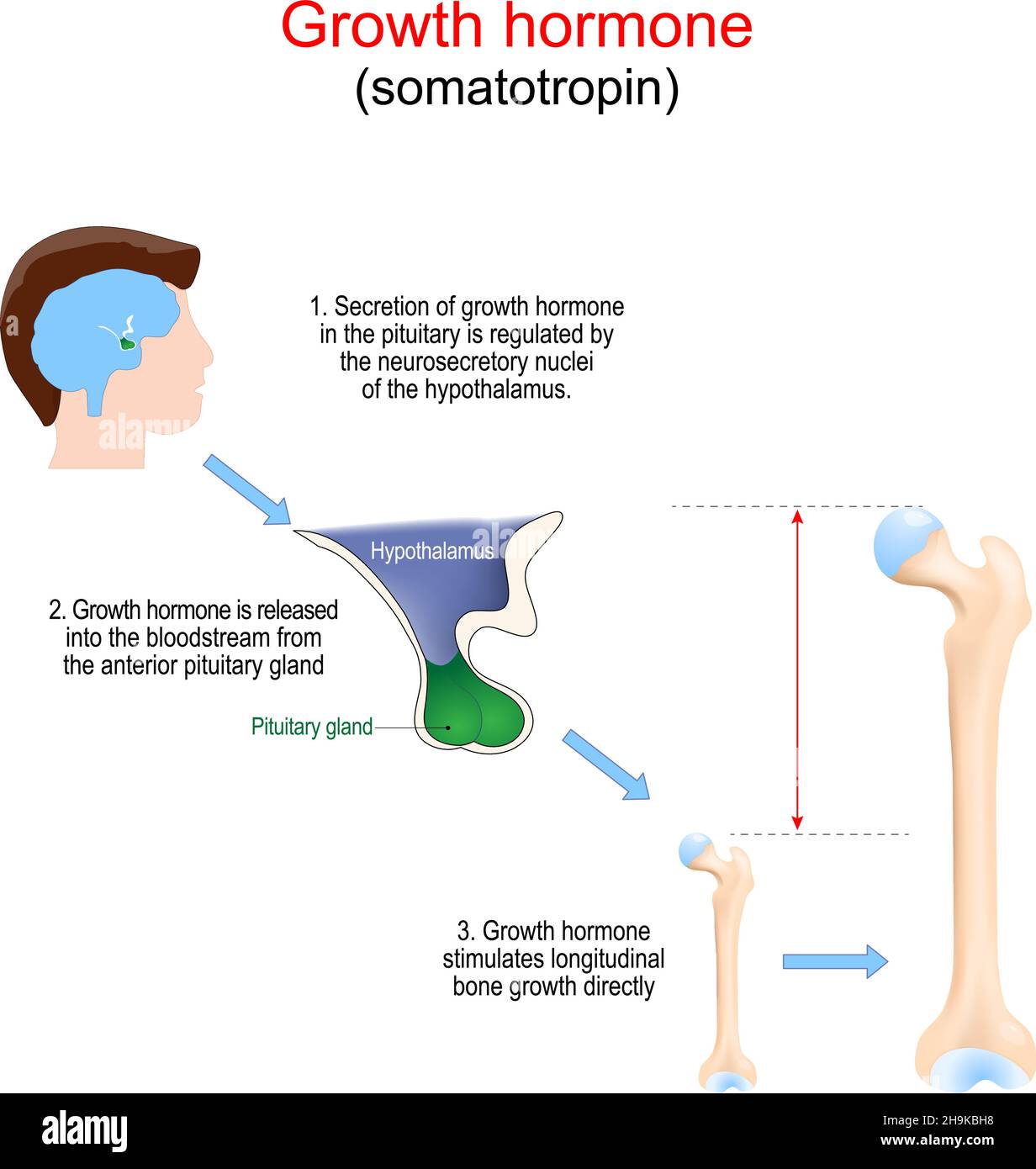
The pituitary gland, a pea-sized organ located at the base of the brain, produces several vital hormones, one of which is the Pituitary Growth Hormone (PGH). This hormone plays a crucial role in stimulating growth, cell reproduction, and regeneration in humans. It is responsible for maintaining a healthy body composition, bone and muscle growth, and even impacts our mood and cognitive functions.
The Functionality of Pituitary Growth Hormone
The primary function of Pituitary Growth Hormone is to stimulate growth during childhood and to help maintain tissues and organs throughout life. It influences height, helps build bones and muscles, and is key in managing the body’s metabolism of fats and sugars. PGH achieves its effects by binding to specific receptors on the surface of target cells, which initiates a cascade of metabolic processes.
Factors Affecting Pituitary Growth Hormone Secretion
Various factors can influence the release of Pituitary Growth Hormone. These include age, gender, diet, exercise habits, and sleep cycles. Typically, PGH secretion peaks during puberty, which is essential for the rapid growth experienced during this time. However, its levels decline with age, which is part of the natural aging process.
Benefits and Risks of Pituitary Growth Hormone Therapy
In cases where individuals have a deficiency in Pituitary Growth Hormone, medical professionals might prescribe HGH (Human Growth Hormone) therapy. This treatment can help improve growth in children and maintain body composition in adults. However, misuse or overuse of PGH therapy can lead to significant health issues, such as diabetes, joint pain, or even abnormal growth patterns. Thus, it should always be administered under strict medical supervision.
Conclusion
The Pituitary Growth Hormone is indispensable for a well-functioning body, contributing to physical growth, bone density, and overall metabolic health. While HGH therapy can be beneficial for those with deficiencies, it is crucial to approach such treatments with caution and professional guidance due to potential risks associated with improper use.
FAQs
Q: What are the symptoms of Pituitary Growth Hormone deficiency?
A: Symptoms can include reduced bone density, muscle weakness, fatigue, and increased fat around the waist, along with psychological issues like anxiety or depression.
Q: Can adults benefit from Pituitary Growth Hormone supplementation?
A: While it is primarily used for children with growth deficiencies, some adults may benefit from supplementation to combat specific deficiency-related health issues, but it should be closely monitored by healthcare providers.
Q: Is Pituitary Growth Hormone the same as muscles-building steroids?
A: No, they function differently. While PGH influences cellular growth and regeneration, steroid use focuses on muscle mass enhancement. It’s crucial not to confuse the two or use them interchangeably without a doctor’s guidance.
BIG SALE | FAST SHIPPING
HOT PROMOTIONS!


ZPHC Clomid Clomiphene 25mg/tablet | 100 Tablets Total: 2500mg

Original price was: $ 159.00.$ 65.00Current price is: $ 65.00.
Fierce nandrolone decanoate 300 / ml 10ml

Original price was: $ 131.00.$ 119.00Current price is: $ 119.00.
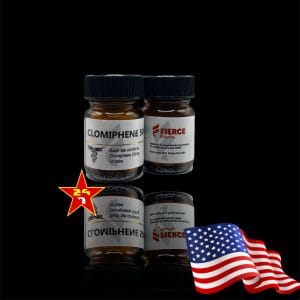
CLOMID 50MG FIERCE 50 TABLETS
Original price was: $ 129.00.$ 119.00Current price is: $ 119.00.
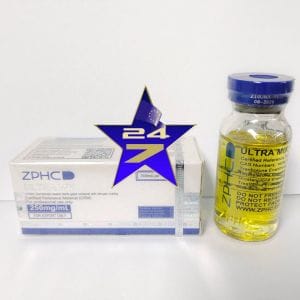
ZPHC UltraMix 10ml MultiUse Vial 1ml = 250mg
Original price was: $ 255.00.$ 179.00Current price is: $ 179.00.

Pituitary Growth Hormone, also known as human growth hormone (HGH), is a crucial peptide hormone produced by the anterior pituitary gland located at the base of the brain. It plays a vital role in stimulating growth, cell reproduction, and cell regeneration, thereby essential for human development. This hormone influences the growth of various tissues in the body, including muscle and bone, and it also plays a critical role in metabolizing fat and sugar. In children and adolescents, HGH is integral for normal physical development and growth, while in adults, it helps maintain body structure and metabolism. Its secretion is tightly regulated by neuroendocrine control mechanisms involving growth hormone-releasing hormone (GHRH) and somatostatin. Deficiencies or excesses in HGH can lead to various health conditions, such as dwarfism, gigantism, or acromegaly, and synthetic HGH is sometimes used in medical treatments to address these imbalances. Additionally, interest in its performance-enhancing and anti-aging properties has made it a focal point in both therapeutic and illicit use, sparking much discussion and ethical debate in sport and medicine.