
The Science of Hugging: How Oxytocin Changes Our Brain Chemistry

Oxytocin, often referred to as the “love hormone,” has transcended its traditional role in human bonding and childbirth to become an essential element in skincare and wellness routines. This peptide hormone, naturally produced in the brain, is now being explored for its potential anti-aging and skin health benefits. The scientific community’s interest in oxytocin continues to grow as it is investigated for its various impacts on overall wellbeing.🌟
Oxytocin and Skin Health
Recent studies suggest that oxytocin may contribute to healthier skin by promoting collagen production and enhancing skin elasticity. Collagen is a crucial protein responsible for maintaining skin’s firmness and preventing sagging and wrinkles. As we age, collagen production declines, leading to visible signs of aging. By potentially increasing collagen production, oxytocin could play a role in mitigating the effects of aging on the skin.
Oxytocin and Emotional Wellbeing
Another well-documented role of oxytocin is its positive effect on emotional wellbeing. Known for its ability to reduce stress and anxiety levels, oxytocin promotes a sense of relaxation and comfort. This stress-reducing property indirectly impacts skin health, as high stress levels can exacerbate skin conditions like acne and eczema. When used in skincare routines, oxytocin can provide an added benefit of enhanced mental relaxation.🧖♀️
Application in Skincare Routines
Beauty enthusiasts are increasingly including oxytocin-infused products in their skincare regimen. These products range from serums to moisturizers, formulated to leverage the hormone’s skin-revitalizing properties. Such formulations aim to harness oxytocin’s potential to rejuvenate skin by improving elasticity and reducing fine lines—making it a promising candidate in anti-aging skincare.
Conclusion
As science delves deeper into the diverse functionalities of oxytocin beyond its traditional biological roles, its potential in skincare and wellness becomes increasingly appealing. While research is still ongoing, integrating oxytocin products into a skincare routine might offer benefits that extend beyond aesthetics, promoting emotional and physical wellbeing. As a relatively novel approach, it presents a promising frontier for skincare and wellness enthusiasts.🌿
FREE SHIPPING
BIG SALE | FAST SHIPPING
HOT PROMOTIONS!

DBOL 50mg TABLETS 50 TABLETS FIERCE
Original price was: $ 110.00.$ 109.00Current price is: $ 109.00.

STADA DHB DIHYDROBOLDENONE 100MG 10 ML

Original price was: $ 219.00.$ 109.00Current price is: $ 109.00.

MASTERON ENANTHATE AUCTUS 200MG 10ML

Original price was: $ 120.00.$ 105.00Current price is: $ 105.00.


FAQs
What is oxytocin?
Oxytocin is a peptide hormone primarily known for its roles in childbirth, lactation, and social bonding. Recently, its benefits in skincare and stress reduction have been explored.
Can oxytocin really improve skin health?
While research is ongoing, initial studies suggest that oxytocin might promote collagen production and enhance skin elasticity, potentially improving skin health and reducing signs of aging.
How is oxytocin used in skincare products?
Oxytocin is typically infused into products like serums and moisturizers, allowing it to be absorbed by the skin and potentially deliver its beneficial effects.
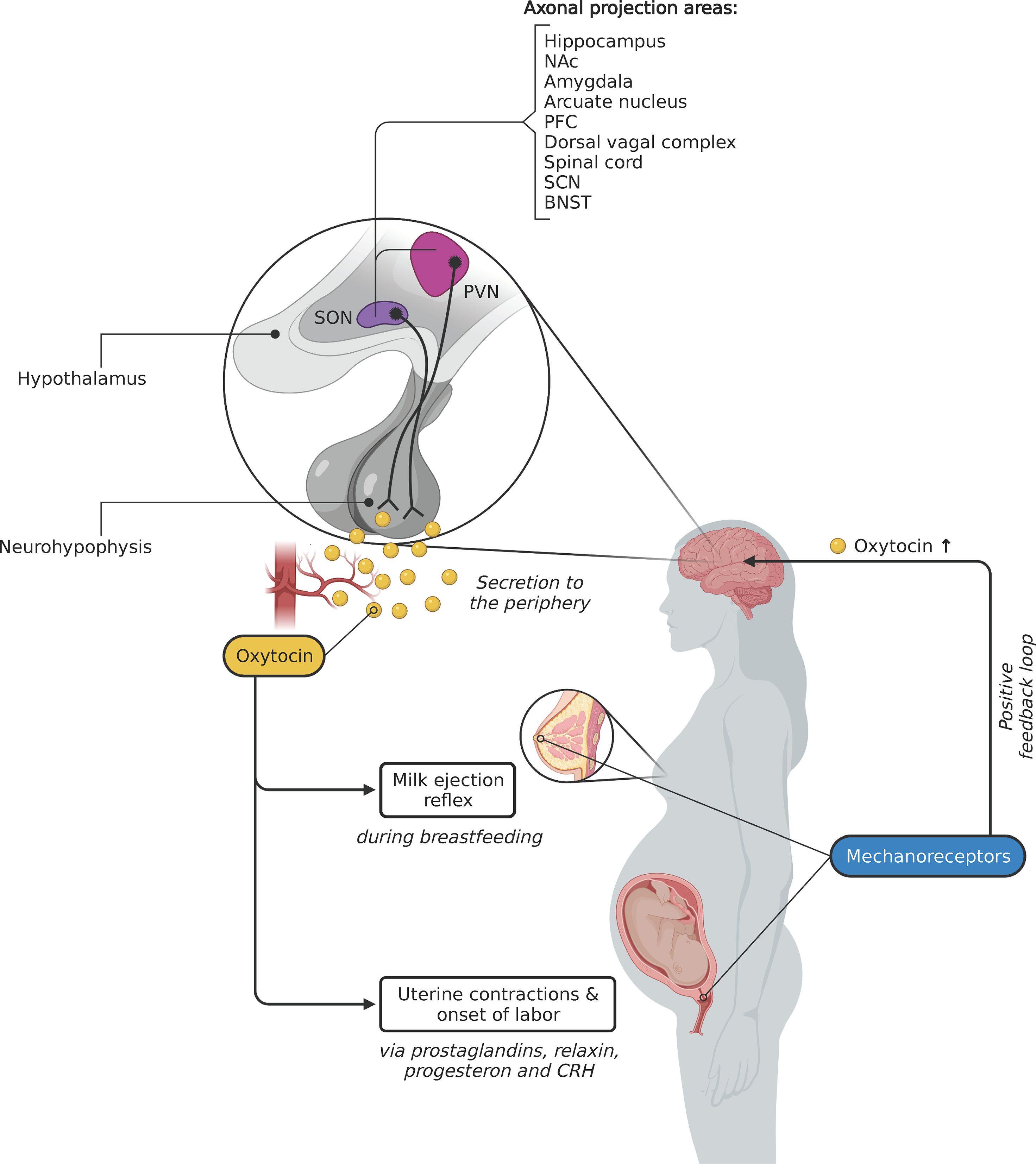
Oxytocin is a hormone and neurotransmitter that plays a crucial role in social bonding, reproduction, childbirth, and the postnatal period. Often referred to as the “love hormone” or “cuddle hormone,” it is released in large amounts during activities such as hugging, touching, and orgasm, fostering feelings of trust, relaxation, and psychological stability. In childbirth, oxytocin facilitates uterine contractions and milk ejection during breastfeeding, aiding in both delivery and maternal bonding with the newborn. Beyond its physiological roles, emerging research suggests oxytocin may influence social behaviors and emotional responses, potentially offering therapeutic insights in addressing conditions like anxiety, autism, and depression. Despite these promising aspects, the complexity of oxytocin’s effects on human behavior and its interplay with environmental and genetic factors remain active areas of scientific exploration.