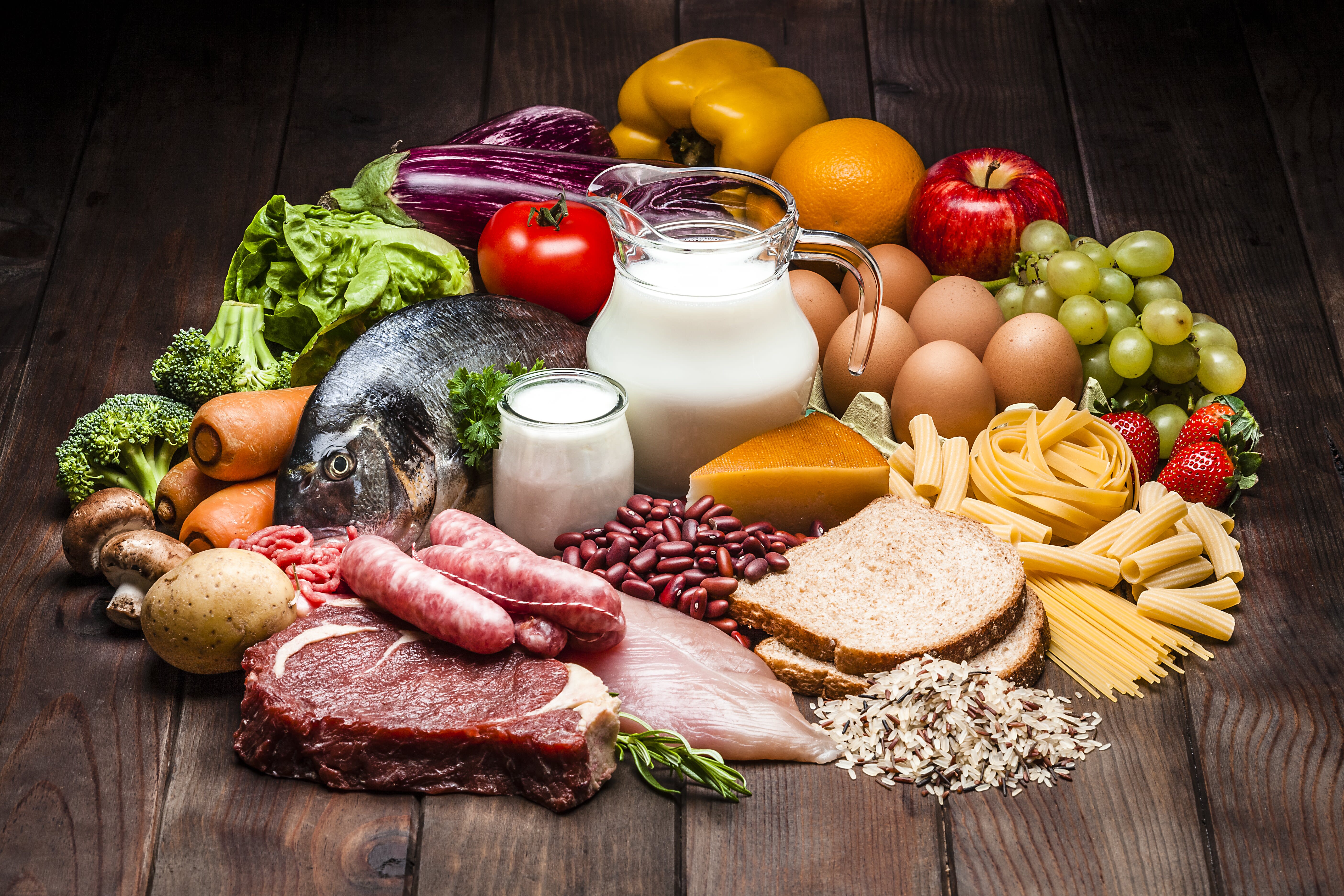
The Secrets to Optimum Nutrition: A signal to Balanced Eating
TABLE OF CONTENTS
- 1 What is Optimum Nutrition?
- 2 Benefits of Optimum Nutrition
- 3 Steps to Achieve Optimum Nutrition
- 4 Conclusion
- 5 FAQs
- 5.1 What is the simplest way to start practicing optimum nutrition?
- 5.2 Can optimum nutrition help in weight management?
- 5.3 How do I know if I am getting enough nutrients?
- 5.4 Are supplements necessary for achieving optimum nutrition?
- 5.5 How can I make sure my children are getting optimum nutrition?
- 5.6 Related

In the quest for a healthier and more fulfilling life, understanding the concept of optimum nutrition becomes vital. It goes beyond the simplistic notion of just eating fruits and vegetables. To fully grasp its essence, we must explore how it influences our physical, mental, and emotional well-being.
What is Optimum Nutrition?
Optimum nutrition refers to the practice of providing your body with the essential nutrients it requires to function effectively. This involves a balanced intake of macronutrients like carbohydrates, proteins, and fats, along with micronutrients, including vitamins and minerals. It’s about achieving a diet plan tailored to individual needs, lifestyle, and health goals, enabling the body to operate at its best.
Benefits of Optimum Nutrition
Optimum nutrition plays a critical role in:
-
- Boosting Immunity: Proper nutrition strengthens the immune system, reducing susceptibility to illnesses.
-
- Enhancing Energy Levels: A well-balanced diet provides the necessary fuel for daily activities.
-
- Improving Mental Health: Nutrient-rich foods can significantly affect mood and cognitive function.
-
- Supporting Growth and Development: Essential nutrients are crucial for growth, particularly in children and adolescents.
-
- Preventing Chronic Diseases: A balanced diet can lower the risk of chronic conditions such as heart disease and diabetes.
Steps to Achieve Optimum Nutrition
Achieving optimum nutrition is a personalized journey. Here are some key steps:
-
- Identify Nutritional Needs: Work with a nutritionist to understand your body’s specific requirements.
-
- Balanced Diet: Incorporate a variety of foods to ensure a comprehensive nutrient intake.
-
- Mindful Eating: Pay attention to hunger and fullness cues and savor your meals without distractions.
-
- Stay Hydrated: Adequate water intake is important for all bodily functions.
-
- Regular Monitoring: Keep track of your dietary habits and adjust them according to your health needs.
Conclusion
Embracing optimum nutrition is a powerful step towards a healthier, more vibrant life. By understanding and implementing balanced dietary practices, you enable your body to perform optimally. Make informed food choices and be mindful of your nutritional needs to live a longer, healthier life.
FAQs
What is the simplest way to start practicing optimum nutrition?
Begin by incorporating more whole foods into your diet, including fruits, vegetables, and lean proteins. Gradually reduce processed food intake and practice portion control.
Can optimum nutrition help in weight management?
Yes, optimum nutrition aids in weight management by providing essential nutrients while maintaining a balance of caloric intake and expenditure.
How do I know if I am getting enough nutrients?
Regular health check-ups and consultations with a nutritionist can help determine if you’re meeting your nutritional needs. Observing any improvements in energy, mood, and overall health are good indicators too.
Are supplements necessary for achieving optimum nutrition?
Supplements can support your diet, especially if there are specific deficiencies. However, it’s preferable to obtain nutrients from whole foods whenever possible.
How can I make sure my children are getting optimum nutrition?
Introduce a variety of healthy food options early on and educate them on the benefits of a balanced diet. Encourage healthy eating habits within the family setting.
For more in-depth guidance on crafting an ideal diet, consider consulting a nutritionist or exploring resources from trusted health organizations. Remember, the goal of optimum nutrition is to nourish the body comprehensively for superior health outcomes.
BIG SALE | FAST SHIPPING
HOT PROMOTIONS!




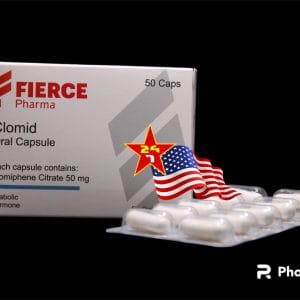
FIERCE CLOMID 50MG 50CAPS
Original price was: $ 129.00.$ 119.00Current price is: $ 119.00.


Optimum nutrition refers to the meticulous balancing of nutrients to achieve the best possible health outcomes and physical performance. This concept prioritizes the consumption of a variety of nutrients in their right proportions, ensuring the body receives adequate vitamins, minerals, healthy fats, carbohydrates, and proteins. It’s not just about meeting the minimum dietary requirements to prevent deficiencies; instead, it focuses on enhancing overall well-being, improving energy levels, boosting the immune system, and reducing the risk of chronic diseases. Optimum nutrition involves making informed food choices that support a sustainable lifestyle, often emphasizing whole, unprocessed foods, proper hydration, and mindful eating practices. By adapting this comprehensive approach, individuals can support their body’s natural processes, promote longevity, and enhance their quality of life.