The Shelf Life of Chia Seeds: Do They Really Go Bad?
TABLE OF CONTENTS

Chia seeds have gained immense popularity as a superfood over the years, wooing health enthusiasts worldwide. These tiny seeds pack a nutritional punch and are admired for their versatility. However, the question that often arises is, can chia seeds go bad? Understanding the storage conditions and shelf life of chia seeds is crucial to make the most out of them and ensure safety and quality.
Understanding Chia Seeds
Before delving into whether chia seeds can go bad, let’s explore what they are. Chia seeds are harvested from the Salvia hispanica plant native to Central America. These small seeds are loaded with omega-3 fatty acids, fiber, protein, and an array of essential nutrients. Thanks to their neutral flavor, they can effortlessly be incorporated into various dishes, from smoothies to puddings.
Can Chia Seeds Go Bad?
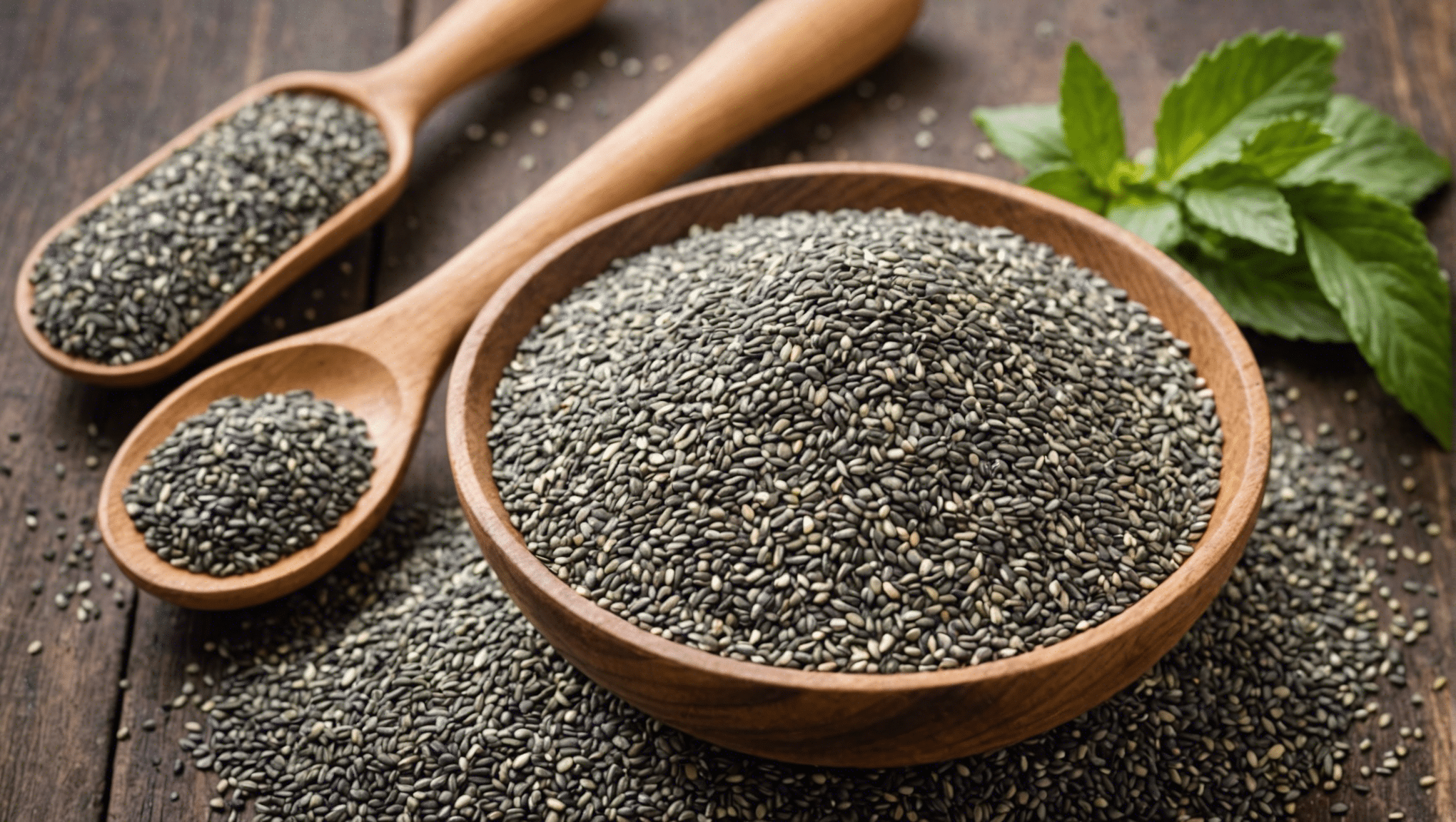
Now, can chia seeds go bad? The good news is that chia seeds boast a relatively long shelf life compared to other seeds. However, like all natural products, they can eventually spoil. Under optimal conditions — in a cool, dry, and dark place — whole chia seeds can last up to 2-4 years. Ground chia seeds, on the other hand, have a shorter shelf life due to increased exposure to air, which can accelerate oxidation.
Signs That Chia Seeds Have Gone Bad
Even though the risk of chia seeds going bad is low, it is essential to recognize the signs that indicate spoilage:
-
- Rancid Smell: Fresh chia seeds have a very mild or neutral odor. If you notice a strong, unpleasant, or rancid smell, it’s an indication that the oils in the seeds have gone bad.
-
- Unusual Taste: Chia seeds should taste mild and nutty. A bitter or off taste is a sign that your chia seeds may be past their prime.
-
- Texture Change: While chia seeds naturally swell and take on a gel-like consistency when mixed with liquids, an unexpected change in texture when dry might suggest spoilage.
-
- Visible Mold: Mold growth on seeds is a clear sign that they have been compromised and should be discarded immediately.
Storing Chia Seeds Properly
To maximize the shelf life of chia seeds and mitigate the risk of spoilage, proper storage is key:
-
- Airtight Containers: Store chia seeds in airtight containers to minimize air exposure.
-
- Cool and Dark Environment: Heat and direct sunlight can degrade the quality of chia seeds. Keep them in a cool, dark pantry or cupboard.
-
- Avoid Moisture: Moisture is the enemy of chia seeds; it can lead to mold growth and spoilage.
Conclusion
Chia seeds are resilient and can have a long shelf life if stored correctly. However, it is possible for chia seeds to go bad under improper conditions. By keeping them in a cool, dry, and dark place, you can enjoy their nutritional benefits longer. Always be vigilant for signs of spoilage, such as a rancid smell or odd taste, to ensure your chia seeds remain in top condition for your culinary endeavors.
FAQs
Can chia seeds go bad if stored in the refrigerator?
Yes, storing chia seeds in the refrigerator can help prolong their shelf life by keeping them cool and dry, preventing oxidation.
What is the best way to store chia seeds?
Airtight containers kept in a cool, dark, and dry place are ideal for maintaining the freshness of the chia seeds.
How long do chia seeds last after opening?
Whole chia seeds can last up to four years if stored properly, while ground chia seeds should be used within a few months after opening.
For further reference on storing chia seeds, you might find this article helpful. Additionally, you can learn more about chia seeds and their benefits in this resource.
BIG SALE | FAST SHIPPING
HOT PROMOTIONS!

ZPHC Clomid Clomiphene 25mg/tablet | 100 Tablets Total: 2500mg
Original price was: $ 159.00.$ 65.00Current price is: $ 65.00.

Fierce nandrolone decanoate 300 / ml 10ml

Original price was: $ 131.00.$ 119.00Current price is: $ 119.00.


CROWX 👑 CLOMIROW 50 Mg / 50 Tabs ( Clomid )
Original price was: $ 79.00.$ 69.00Current price is: $ 69.00.
Chia seeds are known for their impressive shelf life due to their naturally high antioxidant content, which helps to preserve their quality for an extended period. However, like any other food item, chia seeds can eventually go bad, especially if they are not stored properly. Typically, when kept in a cool, dry place, such as a pantry or cupboard, and sealed in an airtight container, chia seeds can last for up to two years past their expiration date. Signs that chia seeds have gone bad may include a rancid smell, a bitter taste, or the presence of mold, which often results from exposure to moisture or air. To maximize their longevity, it is essential to keep chia seeds away from heat and humidity, ensuring they remain a beneficial addition to the diet well before they spoil.