
The Truth About Trenbolone: Unveiling Its Impact on Liver Health
TABLE OF CONTENTS

Trenbolone, commonly referred to as “Tren,” is a powerful anabolic steroid often favored by bodybuilders and strength athletes for its impressive results in muscle mass and performance. However, despite its benefits, users frequently discuss its safety, particularly the question: Is Tren liver toxic?
Understanding Trenbolone
Before addressing concerns about liver toxicity, it’s essential to understand what Trenbolone is. Originally developed for veterinary use, specifically for cattle to increase muscle mass and appetite, Tren is an extremely potent anabolic with an anabolic rating five times higher than testosterone. While its efficiency in muscle growth and fat loss appeals to athletes, many remain concerned about its potential adverse effects.
Is Tren Liver Toxic?
The phrase “Is Tren liver toxic?” frequently arises in forums and discussions. While Trenbolone is primarily an injectable steroid, reducing direct strain on the liver compared to oral steroids, it is not free from hepatic consequences. The primary concern stems from its highly anabolic nature, leading to indirect stressors on the liver.
Studies on Trenbolone’s hepatotoxicity are limited, primarily because much of the data comes from anecdotal experiences and non-human research subjects. Nonetheless, liver stress indicators and elevation of liver enzymes have been reported in some cases, particularly when users combine Trenbolone with other hepatotoxic substances or do not adhere to recommended usage guidelines.
Possible Side Effects
Aside from the central query, “Is Tren liver toxic?” it’s crucial to consider other potential side effects. Users often report increased aggression, night sweats, and cardiovascular issues. These side effects, combined with possible liver stress, can lead to serious health complications if not monitored closely.
Conclusion
In summary, the question “Is Tren liver toxic?” does not have a straightforward answer. While Trenbolone is less likely to cause liver damage than oral steroids, potential hepatotoxicity should not be disregarded, especially with prolonged use or higher dosages. As with any anabolic steroid, responsible use, regular health check-ups, and medical advice are crucial to minimize risks. Users should weigh Trenbolone’s benefits against its potential side effects, considering both short-term muscle gains and long-term health implications.
FAQs
- Does Trenbolone cause permanent liver damage? – While there’s limited evidence specifically linking Trenbolone to permanent liver damage, users should be cautious and consult healthcare professionals regularly.
- What are signs of liver stress? – Symptoms may include jaundice, fatigue, dark urine, or unexplained abdominal pain.
- Is there a safe way to use Trenbolone? – Adhering to prescribed dosages, avoiding alcohol, maintaining a healthy lifestyle, and undergoing routine health check-ups can mitigate risks.
- How can I protect my liver while using Tren? – Incorporating liver support supplements, staying hydrated, and avoiding other hepatotoxic substances are recommended strategies.
BIG SALE | FAST SHIPPING
HOT PROMOTIONS!
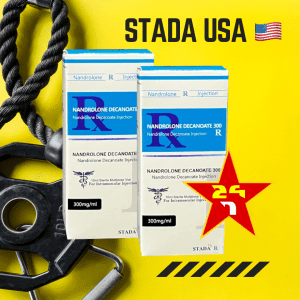
Fierce nandrolone decanoate 300 / ml 10ml

Original price was: $ 131.00.$ 119.00Current price is: $ 119.00.



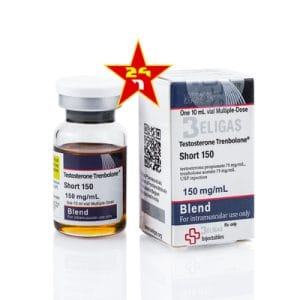
CYT 3 6MG | T3 | Yohimbe | Clen | Weight Loss Blend | 100 Tablets Total Kit 600mg
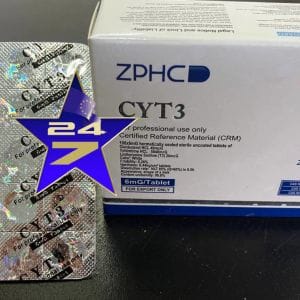
$ 69.00


#Bodybuilding #Bodybuildingmotivation #Powerlifting #Bodybuilder #Heavyweightlifting #Workoutathome #stayfit #bodybuilding
Trenbolone, often known simply as “Tren,” is an anabolic steroid popular among bodybuilders and athletes for its potent muscle-building and performance-enhancing effects. However, one critical concern associated with its use is its potential liver toxicity. While Trenbolone is primarily metabolized by the kidneys rather than the liver, unlike some oral anabolic steroids that are expressly hepatotoxic, it still poses indirect risks to liver health. The increased workload on the liver due to the heightened metabolism and potential effects on cholesterol levels can lead to liver strain over prolonged use. Additionally, the use of this steroid often accompanies other substances that add to liver stress, and there are anecdotal reports of liver damage among users. As with any steroid, responsible use under medical supervision is crucial, and periodic liver function tests are advisable to monitor liver health.