
The Ultimate Guide to Starting a HIIT Exercise Routine

High-Intensity Interval Training, or HIIT, has revolutionized the way we approach fitness. Characterized by short bursts of intense exercise followed by rest or low-intensity periods, HIIT is renowned for its efficiency and effectiveness. However, for maximum benefits, it’s crucial never to use the same HIIT exercise routine twice. This ensures that your body is continuously challenged and helps you avoid plateaus.
Understanding HIIT Exercise Routine
A HIIT exercise routine typically involves exercises that engage different muscle groups at varying intensities. Traditional sessions might last from 10 to 30 minutes, making HIIT an attractive option for those with busy schedules. The science behind its success lies in its ability to boost the metabolic rate for hours after the session, enhancing calorie burn and improving cardiovascular health.
Why Variety Matters
Following the same HIIT exercise routine repeatedly can lead to diminishing returns. When the body adapts to the stress of the same workout, progress stalls. Mixing up your routine not only keeps your workouts exciting but also engages different muscles, enhances agility, and breaks through fitness plateaus.
Designing a HIIT Exercise Routine
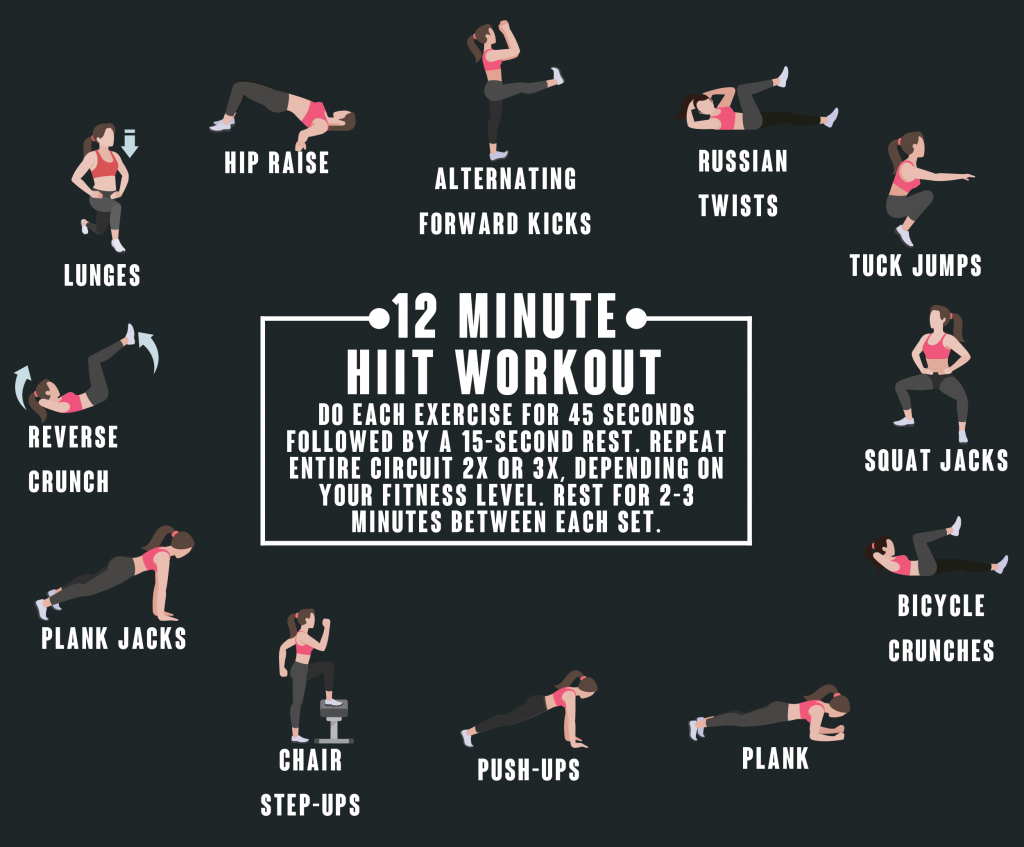
When designing a HIIT routine, consider incorporating elements of cardiovascular, strength, and flexibility training. For example, a routine may begin with jumping jacks, followed by push-ups, and end with high knees. The possibilities are endless, from mountain climbers to burpees and from cycling to resistance band workouts. It’s vital to track your progress and alter the routine regularly to maintain intensity and prevent adaptation.
Benefits of a Diverse HIIT Exercise Routine
A varied HIIT routine ensures balanced muscle development and reduces the risk of overuse injuries. It also keeps workouts engaging, preventing the monotony that often leads to workout abandonment. Additionally, frequently changing your routine can help to increase workout compliance and enjoyment, a critical factor for long-term fitness success.
Conclusion
Incorporating variety in your HIIT exercise routine is not just about being creative; it’s a strategic approach to maximize your fitness gains. By ensuring that no two workouts are the same, you can continuously challenge your body, ultimately driving progress and results. Remember, consistency is key, but so is diversity in your exercise approach.
BIG SALE | FAST SHIPPING
HOT PROMOTIONS!

CYT 3 6MG | T3 | Yohimbe | Clen | Weight Loss Blend | 100 Tablets Total Kit 600mg

$ 69.00
FIERCE CLOMID 50MG 50CAPS

Original price was: $ 129.00.$ 119.00Current price is: $ 119.00.


Fierce nandrolone decanoate 300 / ml 10ml

Original price was: $ 131.00.$ 119.00Current price is: $ 119.00.
STADA MEGA CUTS BLEND 300 MG 10ML (TRENBOLONE)

Original price was: $ 129.00.$ 119.00Current price is: $ 119.00.
Beligas 10ml Vial Testosterone NPP Blend 150mg

Original price was: $ 119.00.$ 99.00Current price is: $ 99.00.
Frequently Asked Questions
What is the Ideal Duration for a HIIT Workout?
While HIIT workouts can be effective in as little as 10 to 30 minutes, the ideal duration depends on your fitness levels and goals. Beginners may start with shorter workouts, gradually increasing the duration and intensity as fitness improves.
Can I Do HIIT Every Day?
HIIT is intense by nature, and while it offers many benefits, it should be balanced with adequate rest. To allow your body to recover and repair, it is generally recommended to perform HIIT no more than three to four times per week.
How Do I Know if I’m Doing HIIT Right?
A successful HIIT session will leave you breathless and sweaty. If you’re able to hold a conversation with ease during the intense intervals, you might need to increase your effort level. Always prioritize form to prevent injuries, and consult a fitness professional if you’re unsure.
For more on fitness routines, check out Fitness Magazine or explore various workouts on the American Council on Exercise.
High-Intensity Interval Training (HIIT) is a dynamic and efficient exercise routine that alternates between short bursts of intense activity and periods of low-intensity recovery or rest. This form of training can be applied to various exercises, such as sprinting, cycling, or bodyweight workouts, making it highly versatile and accessible for different fitness levels. A typical HIIT session may last anywhere between 15 to 30 minutes, making it an excellent choice for those with busy schedules who still want to maximize calorie burn and improve cardiovascular health. The intense nature of the workout not only boosts metabolism during the session but also keeps it elevated long after, known as the afterburn effect or excess post-exercise oxygen consumption (EPOC). By incorporating HIIT into a regular fitness regimen, individuals can enhance endurance, build muscle, and improve overall fitness, all while enjoying the time-saving benefits of a shortened workout.