The Underground Market: Inside the Illicit World of Steroid Supply

The market for steroid supply has been expanding significantly over recent years. Steroids, often associated with athletic performance enhancement and bodybuilding, have become increasingly accessible worldwide. This article explores the dynamics of the steroid supply chain, its implications, and offers resources for those interested in understanding more about this controversial market.
The Rise of Steroid Supply
Historically, steroids were primarily used for therapeutic purposes. However, as athletes and bodybuilders began to recognize their potential for performance enhancement, the demand for steroids surged. Today, the steroid supply chain is no longer limited to pharmaceutical companies but includes a vast network of legal and illegal suppliers.
Legal and Illegal Steroid Supply Chains
Legal steroid supply is characterized by regulated distribution through professional healthcare channels. These steroids are prescribed for legitimate medical conditions. Conversely, the illegal steroid supply chain involves the unauthorized sale and distribution of steroids, often sourced from underground labs and online platforms. Websites like Steroid Planner and Steroid.com provide insights into both aspects.
Implications of Steroid Supply
The widespread availability of steroids has both positive and negative implications. On one hand, individuals seeking muscle growth and enhanced performance have easier access. On the other, this has led to health risks due to unregulated products and potential abuse. Educative resources like John Doe Bodybuilding can offer guidance on safe usage.
Online Platform Influence
The internet has revolutionized steroid supply, making it easier for enthusiasts to obtain steroids discreetly. Digital platforms like Ulaska highlight how domestic steroids are being made accessible through online channels. These platforms offer a wide range of products, promising quality and convenience.
Regulations and Controls
Both national and international bodies strive to regulate steroid supply to prevent abuse. This involves strict controls on manufacturing and distribution. Despite these efforts, illegal supplies continue to thrive, posing significant challenges to regulators and law enforcement agencies worldwide.
FREE SHIPPING
HOT PROMOTIONS!
BIG SALE | FAST SHIPPING
STADA CLENBUTEROL 200MCG 30ML
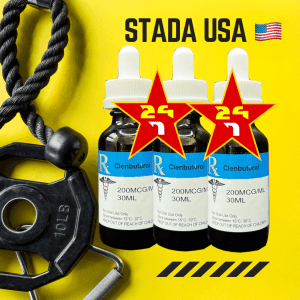
Original price was: $ 120.00.$ 109.00Current price is: $ 109.00.
STADA T3 LIQUID 200MCG 30ML
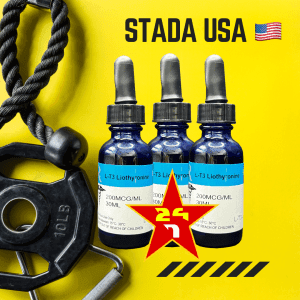
Original price was: $ 89.00.$ 79.00Current price is: $ 79.00.
AXIOM FEMARA LETROZOLE 2.5MG Tablets
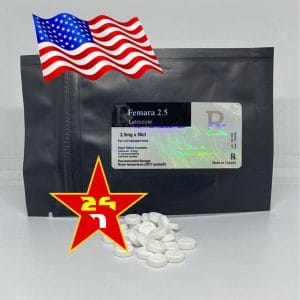
Original price was: $ 119.00.$ 99.00Current price is: $ 99.00.
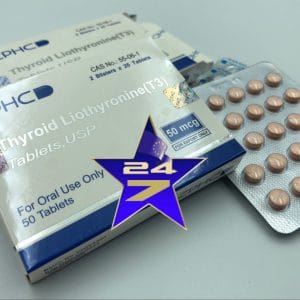
CROWX 👑 NOLVAROW 20 Mg / 50 Tabs (Nolvadex)
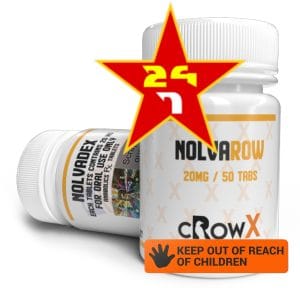
Original price was: $ 99.00.$ 59.00Current price is: $ 59.00.
ZPHC Clenbuterol 100 tablets x 40mcg
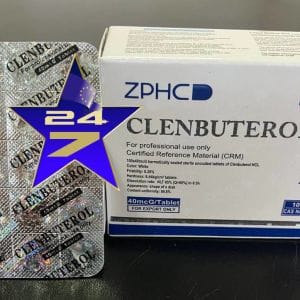
Original price was: $ 119.00.$ 39.00Current price is: $ 39.00.
CROWX 👑 ARIMIROW 1 Mg / 50 Tabs ( Anastrozole )
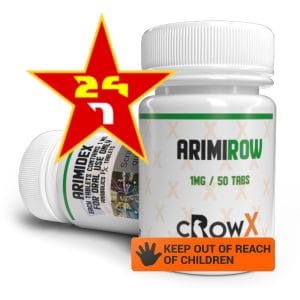
Original price was: $ 99.00.$ 79.00Current price is: $ 79.00.
ARIMIDEX 1MG FIERCE 50 CAPS
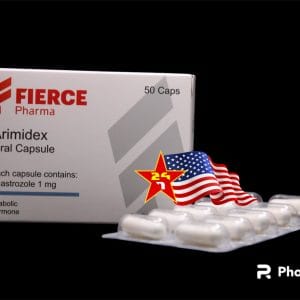
Original price was: $ 130.00.$ 119.00Current price is: $ 119.00.

CLOMID 50MG FIERCE 50 TABLETS
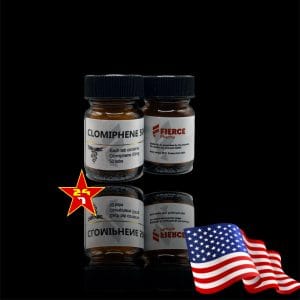
Original price was: $ 129.00.$ 119.00Current price is: $ 119.00.
CROWX 👑 LETROROW 5 Mg / 50 Tabs (Letrozole)
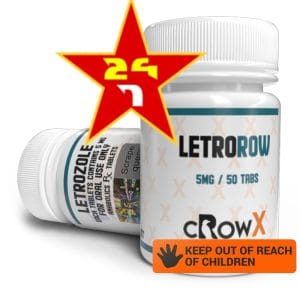
Original price was: $ 149.00.$ 129.00Current price is: $ 129.00.
Conclusion
Steroid supply is a complex market with a myriad of legal and illegal facets. Its growth has both facilitated performance enhancement and posed serious health risks. While regulation and education can mitigate some concerns, the onus ultimately lies on individuals to make informed decisions about steroid use.
FAQs
What are the risks of buying steroids online?
Purchasing steroids online can pose health risks due to potential counterfeit products. Always ensure to buy from reputable sources with verifiable legitimacy.
Are there legal alternatives to anabolic steroids?
Yes, there are legal alternatives often known as “legal steroids” or supplements designed to mimic the effects of anabolic steroids without the associated health risks.
How can I ensure the steroids I purchase are safe?
Verify the credibility of the supplier, check for third-party testing, and consult healthcare professionals to ensure safe and informed usage.
The supply of steroids, often used for medical purposes such as treating inflammation or hormonal issues, is tightly regulated in most countries due to their potential for misuse and health risks associated with improper use. In the medical context, they are typically available through prescription and dispensed at pharmacies to ensure safety and efficacy. However, a significant concern is the illegal market, where steroids are distributed without proper oversight, leading to potential health risks for individuals seeking to enhance athletic performance or physical appearance. These unauthorized supplies may originate from clandestine laboratories or be smuggled across borders, often lacking the quality control found in legally produced pharmaceuticals. Addressing this issue requires coordinated efforts between law enforcement, regulatory agencies, and healthcare providers to prevent abuse while ensuring legitimate access for those in need.