The Unexpected Rise in Global Growth Hormone Sales
TABLE OF CONTENTS

Understanding Growth Hormone Sales: An Educational Overview
Growth hormones have become a significant topic of discussion, especially in fields like bodybuilding and athletic performance. This article aims to shed light on growth hormone sales, elucidating various aspects connected to this topic.
What Are Growth Hormones?
Growth hormones (GH) are natural substances produced by the pituitary gland. They play a crucial role in growth, metabolism, and muscle development. In medical contexts, synthetic versions, known as recombinant human growth hormone (rHGH), are used to treat growth disorders and hormone deficiencies. However, they have also found a market in the fitness and bodybuilding industries due to their perceived benefits.
Why Are Growth Hormones Sold?
-
- Medical Use: The primary legal rationale for the sale of growth hormones is medical treatment. Children and adults with certain growth deficiencies or disorders, like Turner syndrome or chronic kidney disease, may be prescribed GH to support growth and development.
- Medical Use: The primary legal rationale for the sale of growth hormones is medical treatment. Children and adults with certain growth deficiencies or disorders, like Turner syndrome or chronic kidney disease, may be prescribed GH to support growth and development.
-
- Fitness and Performance: Despite legal and ethical constraints, some athletes and bodybuilders seek GH to enhance muscle mass, reduce fat, and potentially boost performance. This demand fuels a significant underground market aside from legitimate medical sales.
- Fitness and Performance: Despite legal and ethical constraints, some athletes and bodybuilders seek GH to enhance muscle mass, reduce fat, and potentially boost performance. This demand fuels a significant underground market aside from legitimate medical sales.
Legal Perspective on Growth Hormone Sales
In most countries, including the United States, GH is a controlled substance legally available only by prescription for validated medical purposes. The non-medical sale and use of GH can result in legal penalties. This regulation aims to prevent misuse and potential health risks associated with unsupervised consumption.
The Risks of Unregulated Growth Hormone Sales
Unmonitored use of GH can pose several health risks:
-
- Hormonal Imbalance: Overuse can lead to conditions like acromegaly (abnormal growth of hands/feet), diabetes, and hypertension.
-
- Joint and Muscle Pain: Users may experience pain due to their body’s unnatural response to heightened hormone levels.
-
- Potential for Abuse: Athletes may become reliant on GH for performance, leading to misuse.
Growth Hormone Alternatives
For those exploring bodybuilding or fitness enhancements, consider alternatives before turning to GH. Natural methods, including dietary adjustments, exercise routines, and adequate sleep, can stimulate the body’s own hormone production safely.
-
- Nutrition: A balanced diet rich in protein, amino acids, and vitamins can support muscle growth and repair.
-
- Exercise: Resistance training and high-intensity workouts can naturally boost hormone levels.
-
- Rest: Sufficient sleep is vital for hormone production and recovery.
Conclusion
Understanding growth hormone sales involves not just the legal and medical aspects but also recognizing the ethical implications in sports and fitness contexts. While there is a legitimate place for GH in treating deficiencies, its sale and use in other realms remain contentious. The healthcare community emphasizes the importance of regulated use under medical supervision to mitigate health risks.
Potential users should weigh the risks and benefits seriously, seeking safer alternatives for muscle growth and performance enhancement. Awareness and education can be valuable tools for making informed decisions about GH and its place in fitness regimens.
BIG SALE | FAST SHIPPING
HOT PROMOTIONS!

ZPHC UltraMix 10ml MultiUse Vial 1ml = 250mg

Original price was: $ 255.00.$ 179.00Current price is: $ 179.00.


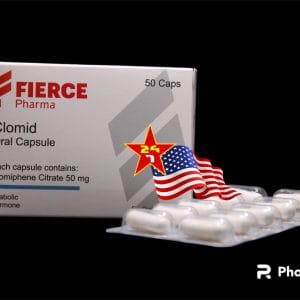
FIERCE CLOMID 50MG 50CAPS
Original price was: $ 129.00.$ 119.00Current price is: $ 119.00.
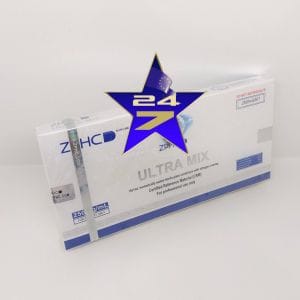
ZPHC UltraMix 1ml amps x 10 amps - 1ml = 250mg
Original price was: $ 259.00.$ 179.00Current price is: $ 179.00.
STADA MEGA CUTS BLEND 300 MG 10ML (TRENBOLONE)

Original price was: $ 129.00.$ 119.00Current price is: $ 119.00.
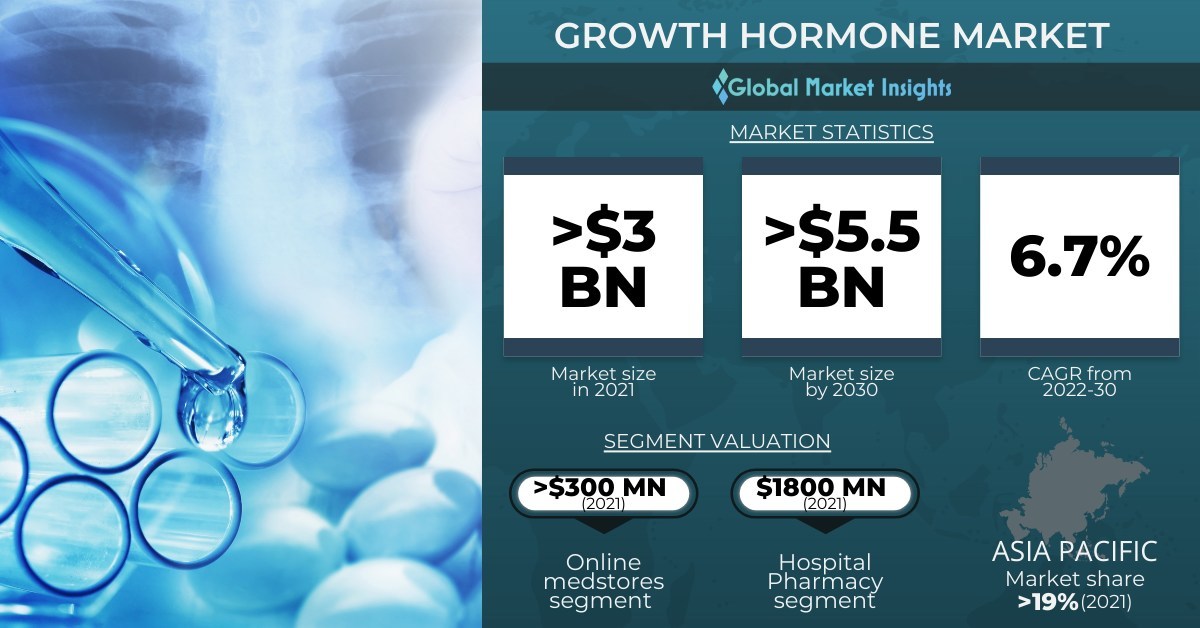
The market for growth hormones has witnessed significant expansion over recent years, driven by a confluence of factors including advancements in biotechnology, increasing awareness of growth disorders, and rising demand for anti-aging solutions. Growth hormones, which are primarily used to treat growth disorders in children and growth hormone deficiency in adults, are also being increasingly sought after in sports and fitness circles, although often controversially due to ethical concerns and regulatory restrictions. The development of biosimilar products has further broadened the market landscape, offering more cost-effective options and boosting accessibility. However, the market continues to be shaped by stringent regulatory frameworks, patent expirations, and ethical debates surrounding the off-label use of these potent substances. As research continues to evolve, the industry is focusing on enhancing the efficacy and safety profiles of these hormones, leveraging novel delivery methods, and expanding therapeutic applications to sustain growth in this dynamic sector.