

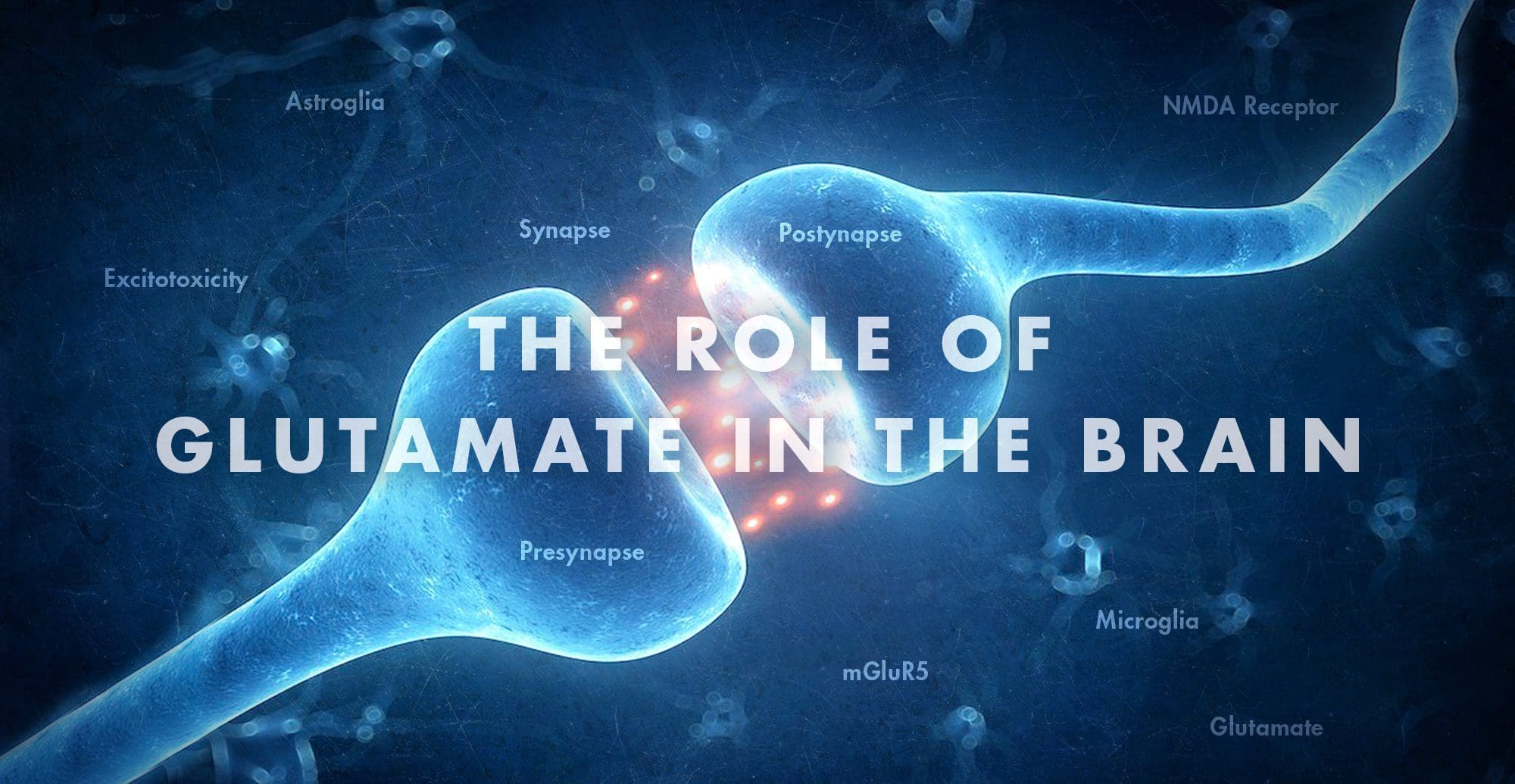
The Vital Role of Glutamate in Neurotransmission

The intricacies of the human brain are fascinating, with countless chemical processes working in harmony to maintain cognitive functions. Among these processes, the role of glutamate is vital, often referred to as the most important neurotransmitter in the brain. This article delves into the various glutamate functions, its impacts, and why it’s critical for brain health.
The Basics of Glutamate Function
Glutamate is an amino acid neurotransmitter that plays a crucial role in neural activation. It is responsible for sending signals between nerve cells, and its presence is essential for synaptic plasticity – the process that strengthens or weakens synapses, underlying learning and memory.
The significance of glutamate function can be primarily attributed to its involvement in excitatory neurotransmission. Unlike inhibitory neurotransmitters like gamma-aminobutyric acid (GABA), glutamate facilitates the activation of neurons, propelling the brain’s myriad activities.
BIG SALE | FAST SHIPPING
HOT PROMOTIONS!






FIERCE CLOMID 50MG 50CAPS

Original price was: $ 129.00.$ 119.00Current price is: $ 119.00.

CLOMID 50MG FIERCE 50 TABLETS

Original price was: $ 129.00.$ 119.00Current price is: $ 119.00.

Glutamate Function in Memory and Learning
Numerous studies have highlighted glutamate’s critical function in memory and learning. This neurotransmitter operates through various receptors, including NMDA, AMPA, and kainate receptors, which collectively regulate neuroplasticity. The NMDA receptor, in particular, acts as a molecular switch for synapse strengthening, which is pivotal for long-term potentiation (LTP), a process crucial for memory formation.
The Implications of Glutamate Dysfunction
Despite the benefits of proper glutamate function, any imbalance can lead to neurological issues. Excessive glutamate activity can cause excitotoxicity, leading to neuronal injury and death. This process has been linked to several neurodegenerative diseases, such as Alzheimer’s, Parkinson’s, and Huntington’s disease. Understanding and managing glutamate levels are therefore crucial not just in treating these conditions, but also in preventing them.
Glutamate Function in Mental Health
Aside from its physiological implications, glutamate also influences mental health. Imbalances in glutamate levels are associated with mood disorders such as depression, anxiety, and schizophrenia. Research suggests that modulating glutamate function by targeting specific receptors could offer therapeutic benefits for these conditions.
External Link 1: For a deeper dive into the role of glutamate in mental health, visit Harvard Health Publishing.
External Link 2: Discover more about neurodegenerative diseases and glutamate at Alzheimer’s Association.
Conclusion
In conclusion, the glutamate function is integral to the brain’s architecture and activity. It is intricately linked to not only cognitive functions like learning and memory but also broader mental health. However, the excitatory nature of glutamate means that imbalances can lead to severe neurological disorders. Future research and therapeutic interventions targeting glutamate may hold the key to mitigating various brain-related ailments.
FAQs
What is glutamate?
Glutamate is an amino acid neurotransmitter pivotal for excitatory neurotransmission in the brain, playing a key role in functions such as memory and learning.
Why is glutamate function important?
Glutamate function is essential for neural activation and synaptic plasticity, which are foundational for brain processes like learning, memory, and mood regulation.
Can glutamate levels affect mental health?
Yes, imbalanced glutamate levels are associated with mood disorders such as depression, anxiety, and schizophrenia, and managing these levels can be crucial for mental health treatment.
What happens if there is too much glutamate activity?
Excessive glutamate activity can lead to excitotoxicity, a process contributing to neurodegenerative diseases by causing neuronal damage and death.
Glutamate is the most abundant excitatory neurotransmitter in the mammalian central nervous system and plays a crucial role in normal brain function. It is involved in cognitive processes such as learning and memory, primarily through its action on the glutamatergic synapses. Glutamate exerts its effects by binding to specific glutamate receptors on neuronal cells, which are categorized into ionotropic receptors, such as NMDA, AMPA, and kainate receptors, and metabotropic receptors that modulate synaptic transmission and plasticity. Through these receptors, glutamate facilitates synaptic strength and plasticity, processes that are essential for synaptic changes that underpin memory formation and learning. However, excessive or dysregulated glutamate signaling can lead to excitotoxicity, a process implicated in neurodegenerative conditions like Alzheimer’s, Parkinson’s, and Huntington’s diseases, as well as in acute neuronal injuries such as stroke and traumatic brain injury. Hence, understanding glutamate function is critical for insights into both healthy neural mechanisms and the pathophysiology of neurological disorders.