The World of Vesicles: Key Players in Cellular Communication

Understanding Vesicular Structures and Their Impact
In the intricate world of science, certain structures and terms often go unnoticed by the layman, yet they hold significant importance in their respective fields. One such term is “vesicular.” Often associated with biology and geology, this term describes small sac-like structures or formations that serve various functions depending on the context. From transporting cellular material to forming unique rock patterns, the study of these structures provides insights that can be applied in numerous scientific disciplines.
Vesicular Structures in Biology
In the realm of biology, vesicles are small structures within cells, enclosed by lipid bilayers. These vesicular entities are crucial for the transport and storage of substances within a cell. For example, they are integral in the process of exocytosis and endocytosis, where materials are transferred in and out of a cell. These processes are vital for maintaining cellular homeostasis and facilitating communication between cells. Scientists have been keenly interested in these structures due to their potential in drug delivery systems and understanding disease mechanisms, especially those related to neurological disorders.
Vesicular Formations in Geology
When discussing vesicular structures in geology, one often refers to the texture of volcanic rocks. Such rocks, typically basalt, exhibit vesicles—small cavities formed by trapped gas bubbles within lava as it cools and solidifies. This vesicular texture provides geologists with clues about the volcanic activity history and the environmental conditions at the time of rock formation. Understanding these formations can lead to valuable insights into past volcanic events and can help in predicting future volcanic behavior.
BIG SALE | FAST SHIPPING
HOT PROMOTIONS!

ZPHC Clomid Clomiphene 25mg/tablet | 100 Tablets Total: 2500mg
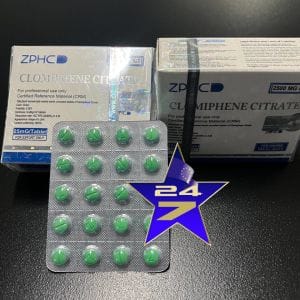
Original price was: $ 159.00.$ 65.00Current price is: $ 65.00.



FIERCE CLOMID 50MG 50CAPS
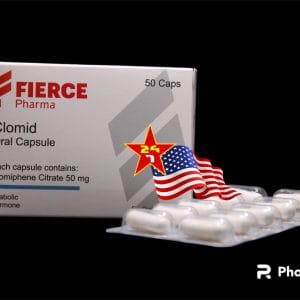
Original price was: $ 129.00.$ 119.00Current price is: $ 119.00.


Beligas 10ml Vial Testosterone NPP Blend 150mg

Original price was: $ 119.00.$ 99.00Current price is: $ 99.00.
CLOMIPHENE TABLETS 50mg 50 TABLETS FIERCE

Original price was: $ 99.00.$ 89.00Current price is: $ 89.00.
Applications and Significance
The significance of these structures transcends basic scientific curiosity, having practical applications in fields such as medicine, environmental science, and even industry. In medicine, vesicular systems are being explored for their potential in targeted drug delivery, which could revolutionize the way treatments are administered. In industry, understanding vesicular formation in rocks aids in resource extraction processes, ensuring efficiency and sustainability.
Moreover, research in both biological and geological vesicular phenomena contributes to the broader understanding of natural processes, ultimately enhancing our knowledge of the world we inhabit.
Conclusion
The study of vesicular structures, whether in biological cells or volcanic rocks, offers profound insights and applications. As science continues to advance, the understanding of these small yet mighty formations will undoubtedly lead to innovations across multiple fields. The ability to harness these insights effectively showcases the importance of interdisciplinary research and collaboration, paving the way for future discoveries.
FAQs
What are vesicular structures in biology?
Vesicular structures in biology refer to vesicles, which are small sacs enclosed by lipid membranes within cells. These are essential for transporting and storing materials within the cellular environment. They play a vital role in processes like exocytosis and endocytosis, influencing numerous cellular functions.
How are vesicular formations significant in geology?
In geology, vesicular formations occur in volcanic rocks, characterized by small cavities formed by gas bubble entrapment during the lava cooling process. These formations help geologists understand past volcanic activities and predict future eruptions. They also assist in efficient resource extraction.
Can vesicular structures assist in medical applications?
Yes, they hold potential in medical applications, particularly in targeted drug delivery systems, which could improve treatment efficiency and patient outcomes. By understanding and manipulating these structures, researchers aim to deliver drugs more precisely to their intended targets.
For further reading, you can explore more about vesicle trafficking in cells and the study of volcanic rock formations.
This exploration into the fascinating world of vesicular structures showcases their overarching impact across various scientific branches, highlighting their unique properties and capabilities.
Vesicular structures are small, membrane-bound sacs found within cells that play a crucial role in transporting molecules and facilitating cellular processes. These structures are vital for the compartmentalization and organization of various substances, such as proteins, lipids, and neurotransmitters, within eukaryotic cells. Vesicles can form naturally during the process of endocytosis, where the cell membrane invaginates to engulf extracellular material, or during exocytosis, where they merge with the plasma membrane to release their contents outside the cell. Their membranes are composed of a phospholipid bilayer that provides a distinct environment for the biochemical reactions necessary for cellular metabolism and signaling. Additionally, vesicles are pivotal in maintaining cellular homeostasis and play an essential role in immune responses, neurotransmission, and waste management, demonstrating their significance in both normal physiology and disease states.