The Science Behind Dipeptides: Unlocking Nature’s Building Blocks

Dipeptides are formed by the condensation of two amino acids linked by a peptide bond, releasing a water molecule. They are fundamental in protein synthesis and biochemical processes. Acting independently, dipeptides are crucial in metabolism, nutrition, and medicine, influencing enzyme activity and signaling pathways. Studying them offers insights into protein structures and functions.

Glutamate: How This Amino Acid Fuels Your Brain’s Performance

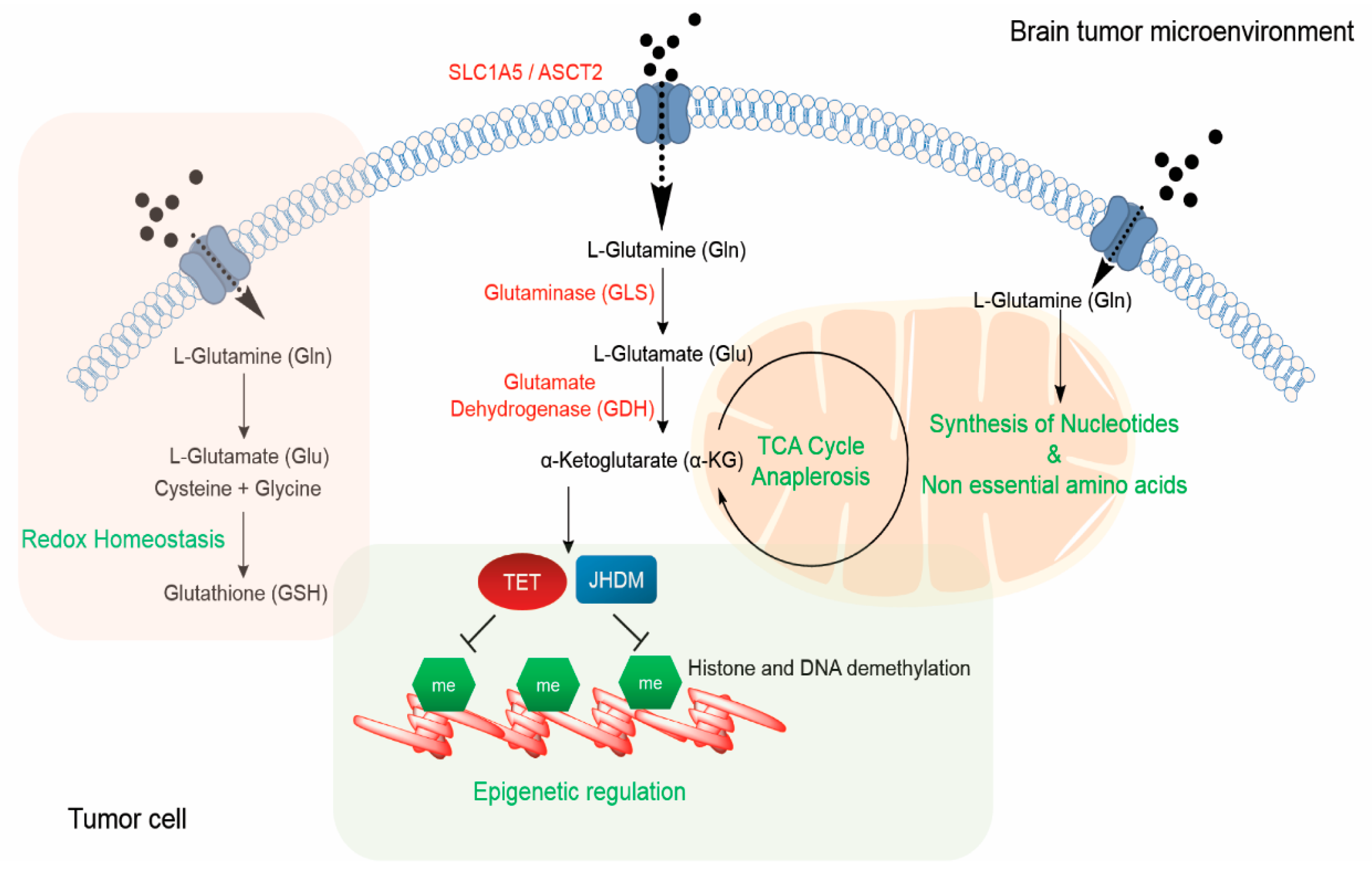
Glutamate is a crucial amino acid that significantly influences cellular metabolism and neurotransmission. While it is non-essential, meaning the body can synthesize it, glutamate is vital for various biological processes, acting as the primary excitatory neurotransmitter in the central nervous system. It facilitates synaptic plasticity, essential for learning and memory, and is involved in nitrogen cycle pathways within cells. However, imbalances can lead to neurotoxicity, linked to disorders like Alzheimer’s and epilepsy, emphasizing the need for proper regulation to maintain brain health.

The Power of Amino Acids: Your clue to Accelerated Weight Loss

Amino acids, the building blocks of proteins, are crucial for processes linked to weight loss, such as metabolism, fat oxidation, and muscle preservation. Specific amino acids like leucine, isoleucine, and valine (BCAAs) support muscle synthesis and prevent muscle breakdown during calorie deficits, enhancing weight loss efforts. L-carnitine aids in the conversion of fat into energy. Although beneficial, amino acids should be integrated with a balanced diet and exercise for optimal results in a healthy lifestyle.

The Benefits of Glutamic Acid: The Unsung Hero of Amino Acids

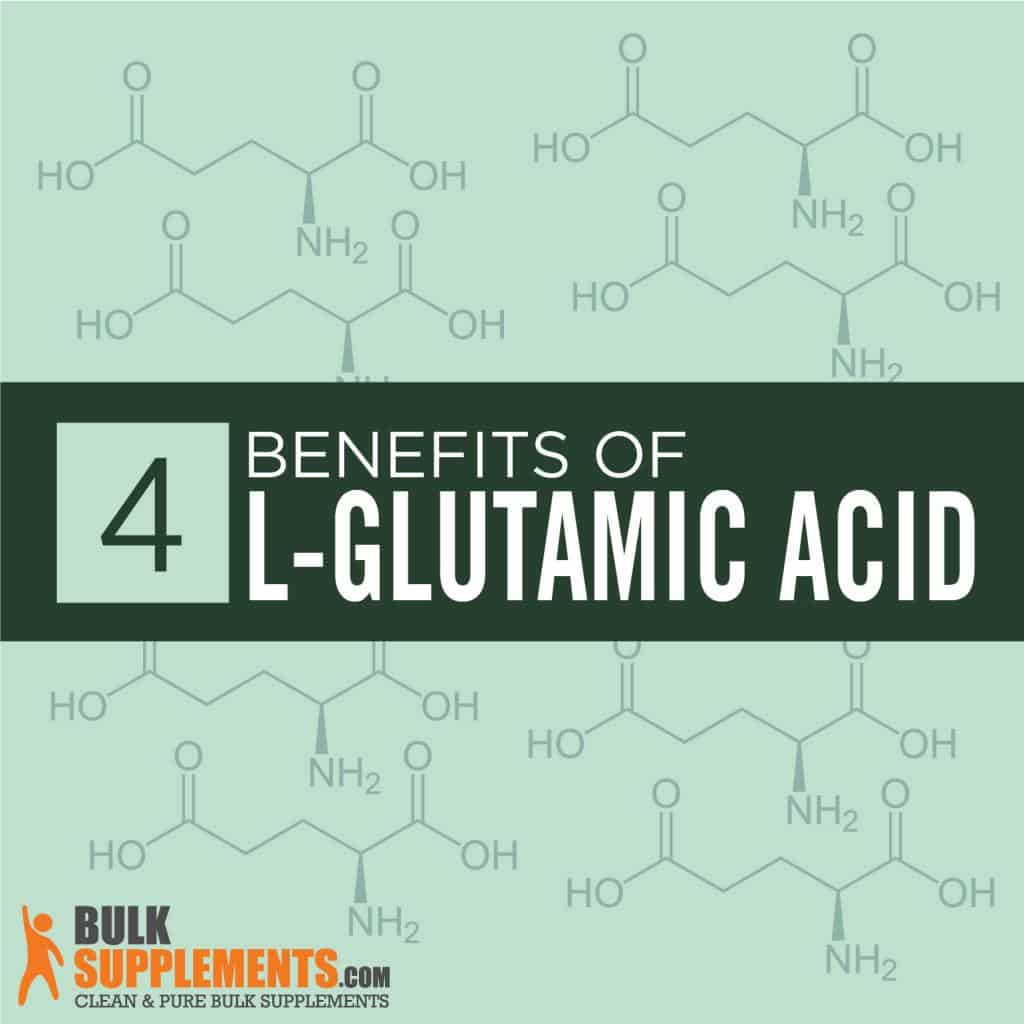
Glutamic acid is a versatile amino acid central to many biological processes. As an excitatory neurotransmitter, it aids in synaptic plasticity crucial for learning and memory and acts as a building block for proteins, involved in metabolic pathways. Its sodium salt, MSG, is widely used as a flavor enhancer due to its umami taste, but its consumption has sparked health debates, prompting ongoing research into its broader effects. Glutamic acid, synthesized by the body, is not required exclusively through diet, underscoring its multifaceted roles in health and nutrition.

Select Wishlist

    Left Menu Icon
    Your Cart