Unlocking the Secrets: How to Achieve the Coveted Adonis Belt

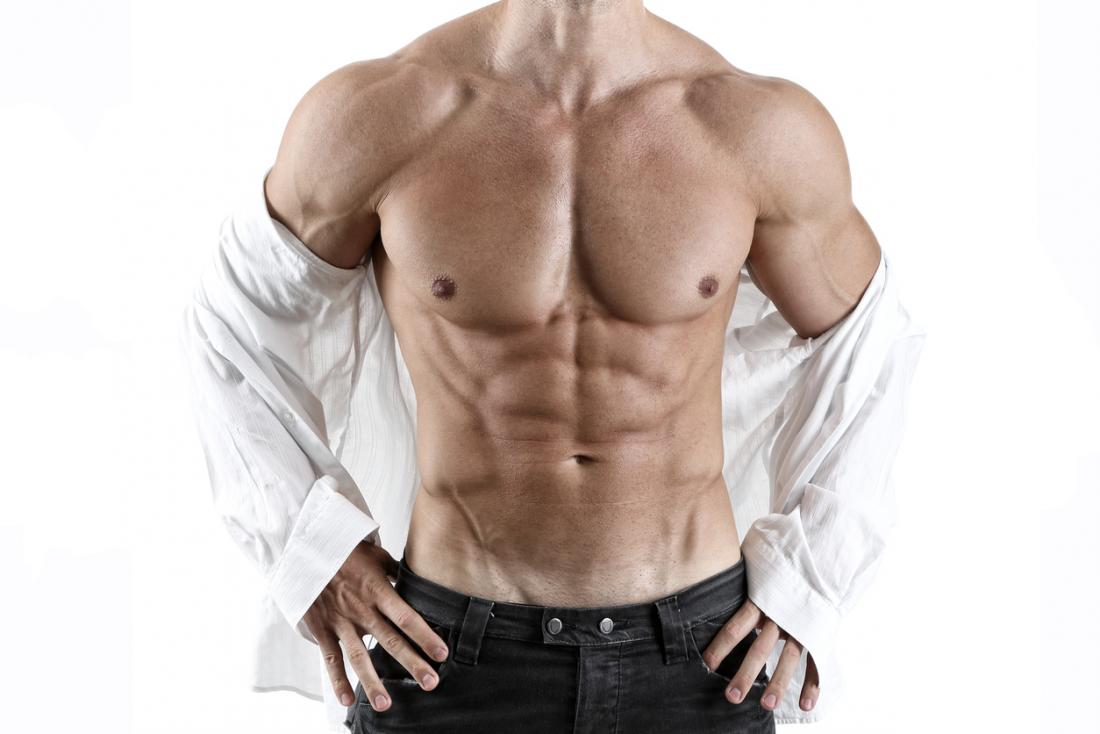
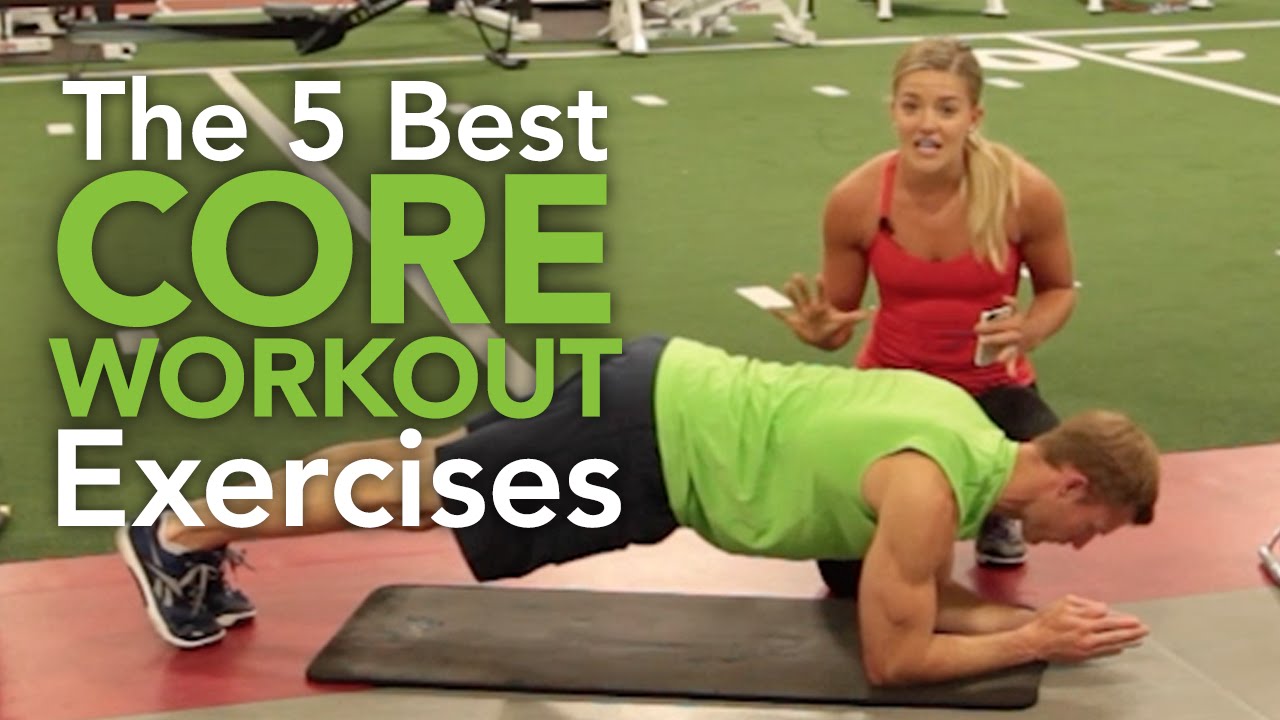
The Adonis belt, also known as the iliac furrow, is a V-shaped groove where the oblique muscles meet the inguinal ligament, often viewed as an indication of physical fitness and aesthetic appeal. Achieving a clearly defined Adonis belt involves strength training, focused on core and oblique exercises, cardiovascular workouts to reduce body fat, and a disciplined diet rich in proteins and healthy fats. Beyond aesthetics, its development signifies enhanced core strength, better posture, and reduced risk of injuries. It’s a testament to one’s dedication to fitness and health, requiring consistent exercise and mindful eating.

Arch Allies: How Your Foot’s Structure Supports Every Step

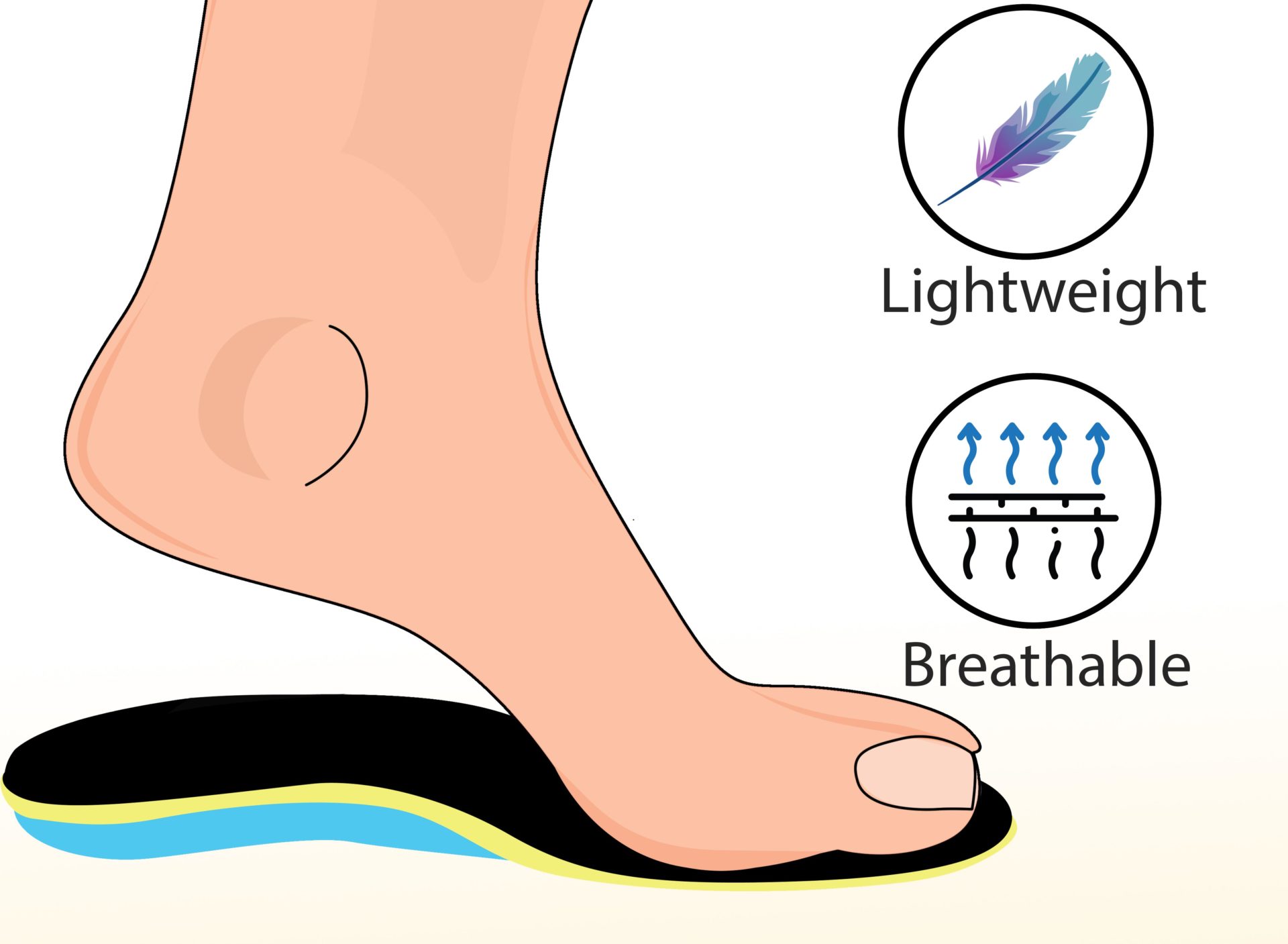
The arch of the foot is a marvel of anatomical engineering, providing both strength and flexibility. It comprises three sections: the medial, lateral, and transverse arches, each crucial for supporting weight and shock absorption. The medial arch, the most prominent, spans from heel to ball, involving the talus, navicular, and cuneiform bones. Its spring-like properties help absorb impact, reducing stress on legs and spine. Dysfunction can lead to overpronation or underpronation, causing discomfort or injury, highlighting its critical role in daily and athletic activities.

Vastus Lateralis: The Powerhouse of the Quadriceps

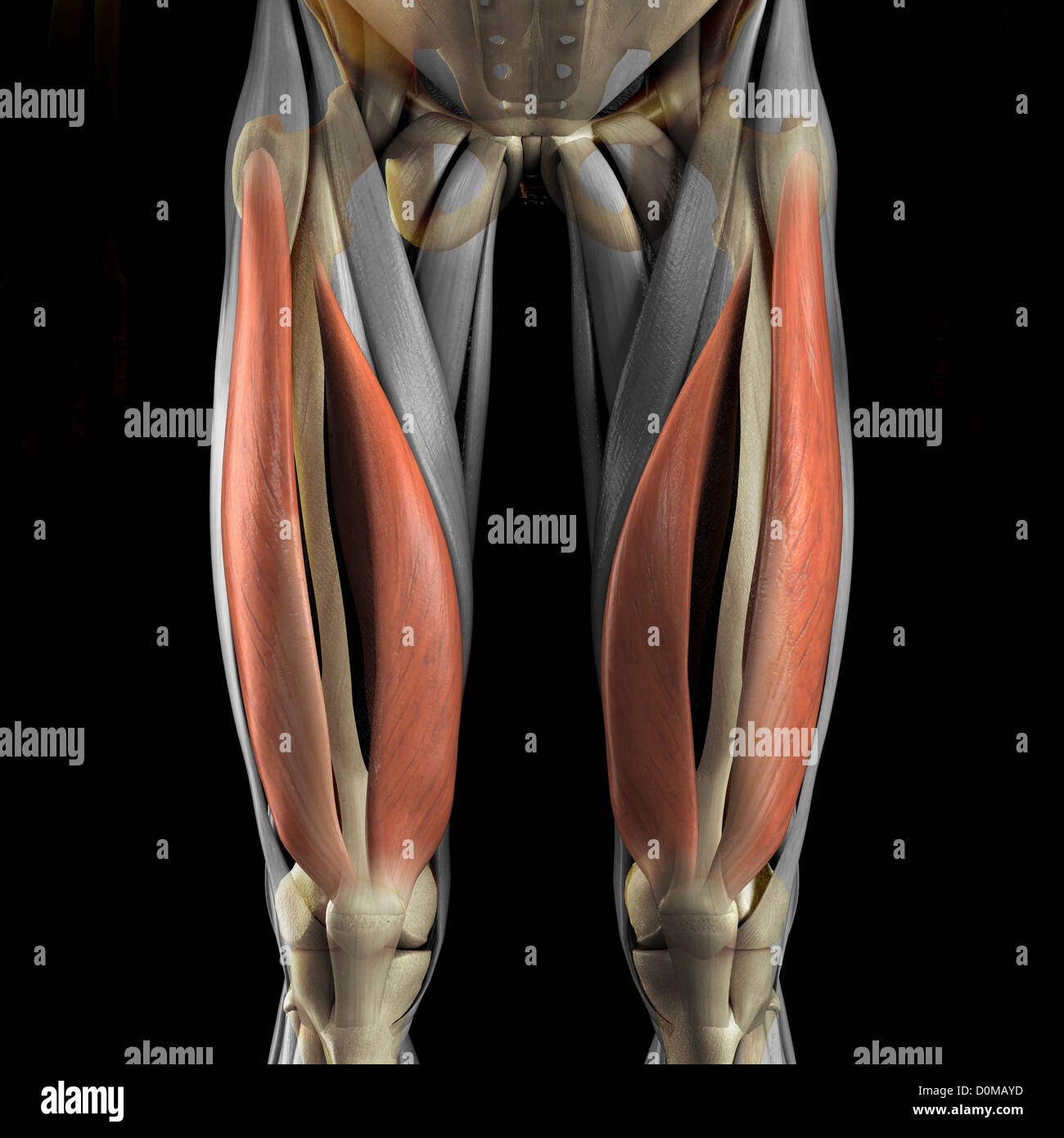
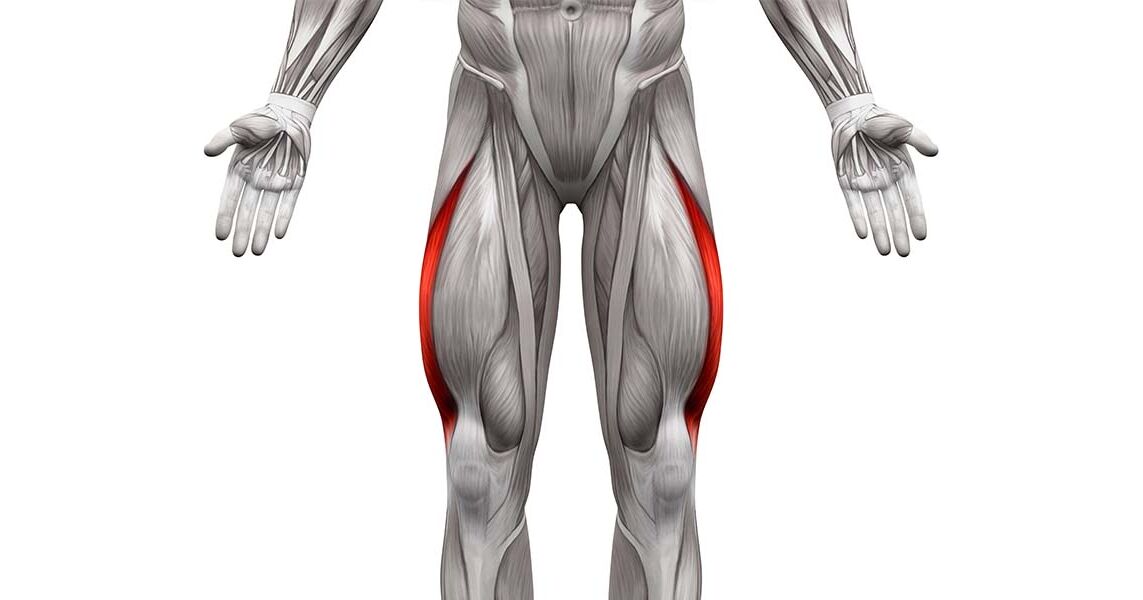
The lateralis muscle, part of the vastus lateralis, is a crucial component of the quadriceps group in the thigh’s anterior compartment. It is the largest and most powerful quadriceps part, responsible for knee extension and vital in actions like walking, running, and jumping. Originating from the greater trochanter and linea aspera of the femur, it inserts into the patella. Due to its size, it is often targeted in strength training and intramuscular injections, aiding performance and knee injury prevention by stabilizing the patella.

How the Vastus Lateralis Muscle Boosts Athletic Performance

The vastus lateralis is a crucial component of the human muscular system, vital for knee extension and maintaining balance. Part of the quadriceps group, it originates from the femur and inserts into the patella, playing a key role in running, jumping, and squatting. It ensures patella stability and smooth knee mechanics, significantly contributing to athletic performance with training focused on strengthening through exercises like squats and lunges. Enhanced vastus lateralis strength leads to improved performance and reduced injury risk, emphasizing its importance for a healthy, active lifestyle.

The Unsung Hero of Stability, the Gluteus Medius Muscle

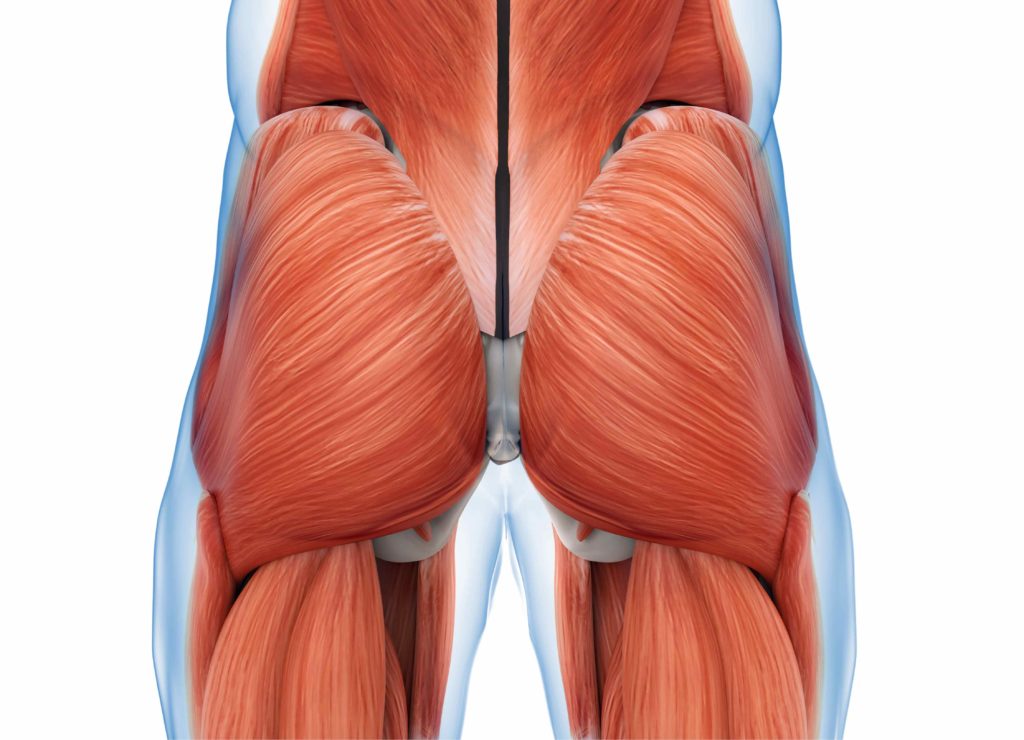
The gluteus medius muscle is a key part of the human musculoskeletal system, nestled in the buttock area between the gluteus maximus and gluteus minimus. It plays a vital role in hip movement and stabilization, particularly in hip abduction, which allows the leg to move away from the body’s center. This muscle is crucial for maintaining pelvic stability during walking or running and helps ensure proper alignment and gait when one foot is off the ground. Strengthening the gluteus medius is essential for injury prevention, reducing back pain, and improving posture and balance.

Understanding Female Anatomy: Do Women Have Prostates?

Females do not have a prostate gland in the same way males do. However, they possess the Skene’s glands, sometimes referred to as the female prostate, located around the urethra. These glands are homologous to the male prostate, sharing developmental origins and functions. They secrete fluid that may play a role in female sexual response, potentially contributing to female ejaculation. Understanding these similarities enhances knowledge of female sexual health and physiology.

Ventrogluteal Injections: A Safer Alternative for Patients

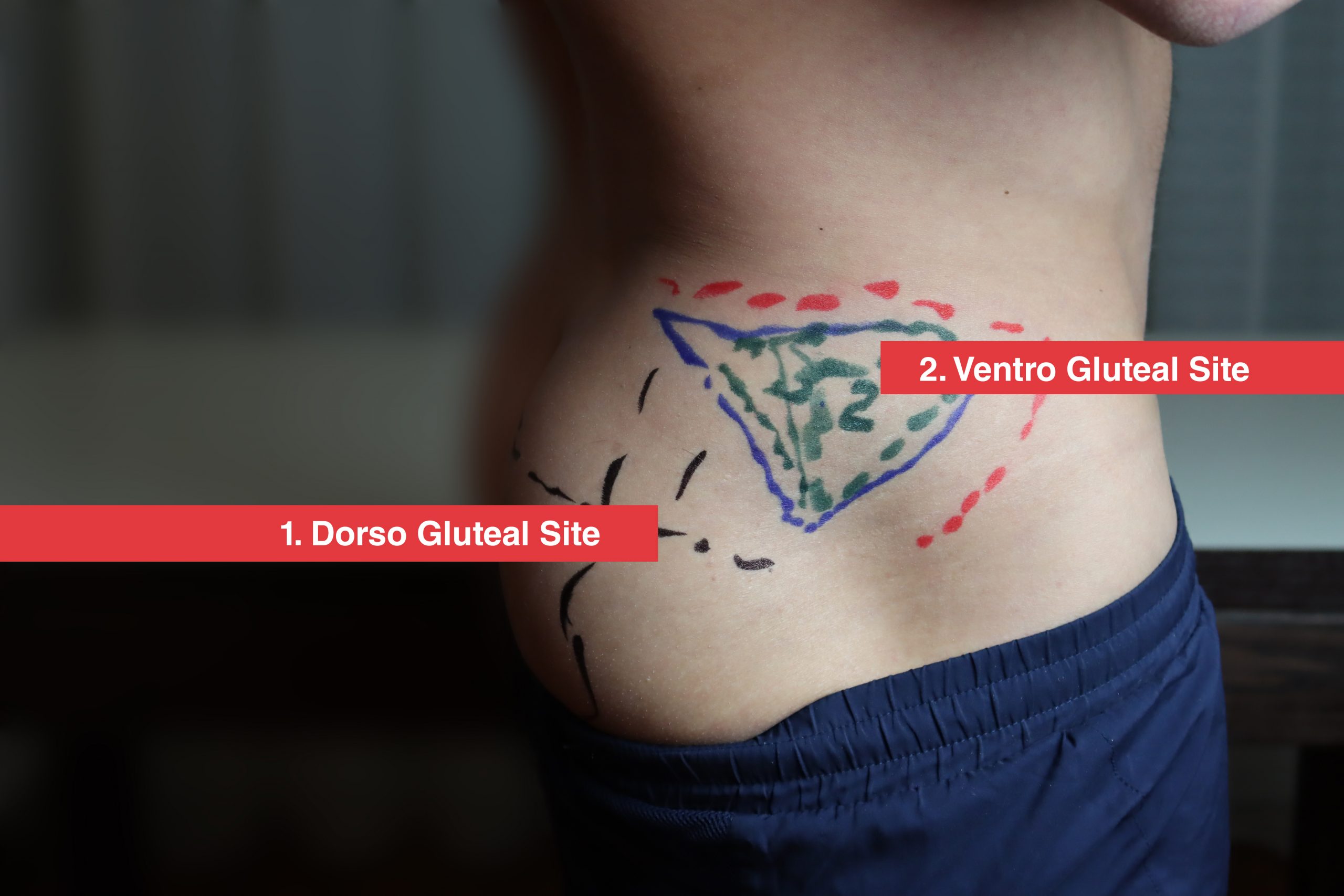
Ventrogluteal injections are a preferred method for intramuscular medication administration due to their safety and comfort. The site is located on the hip and is free from major nerves and blood vessels, minimizing injury risks. Accessing this site involves using anatomical landmarks like the greater trochanter and forming a V-shape with the fingers. The muscle density allows for better drug absorption, suitable for various drug volumes, and is favored in adults and children for its reduced post-injection discomfort.

Unlocking Arm Strength: The Three Heads of the Tricep

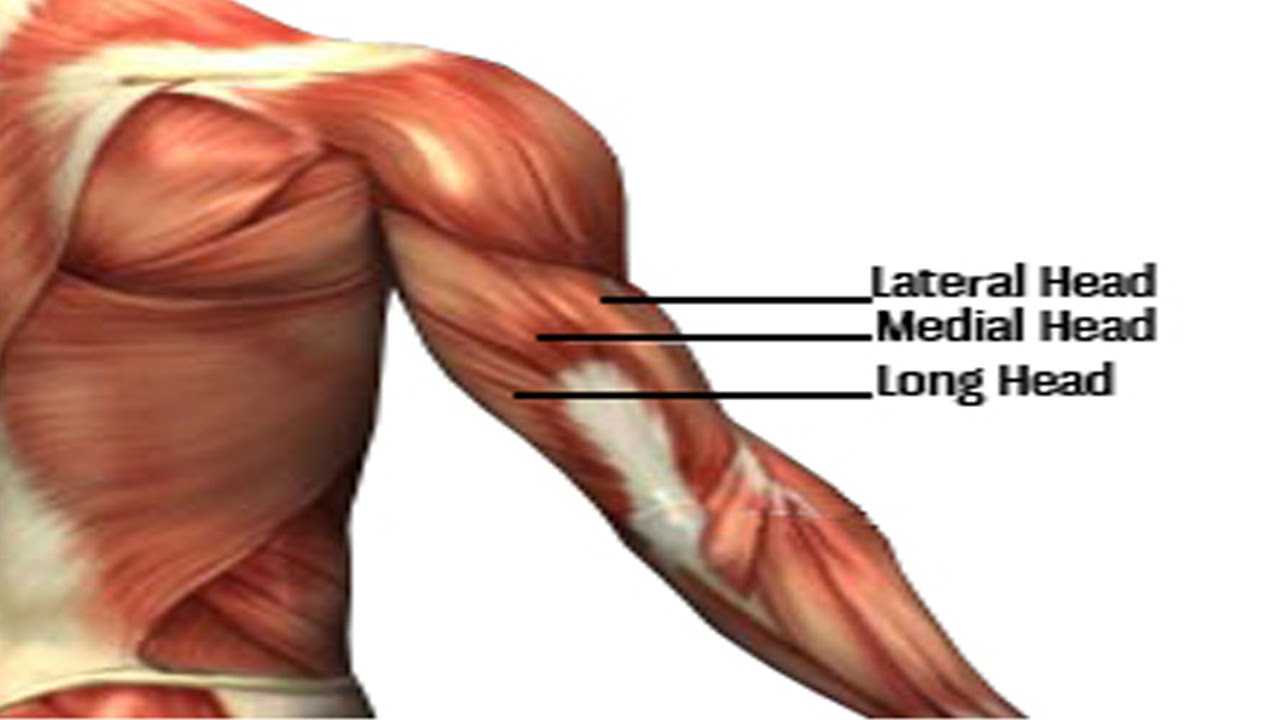
The triceps brachii, commonly known as the triceps, is a large muscle on the back of the upper arm, essential for arm stability and elbow extension. It’s comprised of three heads: the long head, aiding shoulder stability and extension; the medial head, crucial for precise arm movements; and the lateral head, providing power and definition during heavy lifting. Understanding the distinct roles of these heads can enhance workout efficiency and muscle targeting.

Unlocking the Secrets to Sculpted Forearms

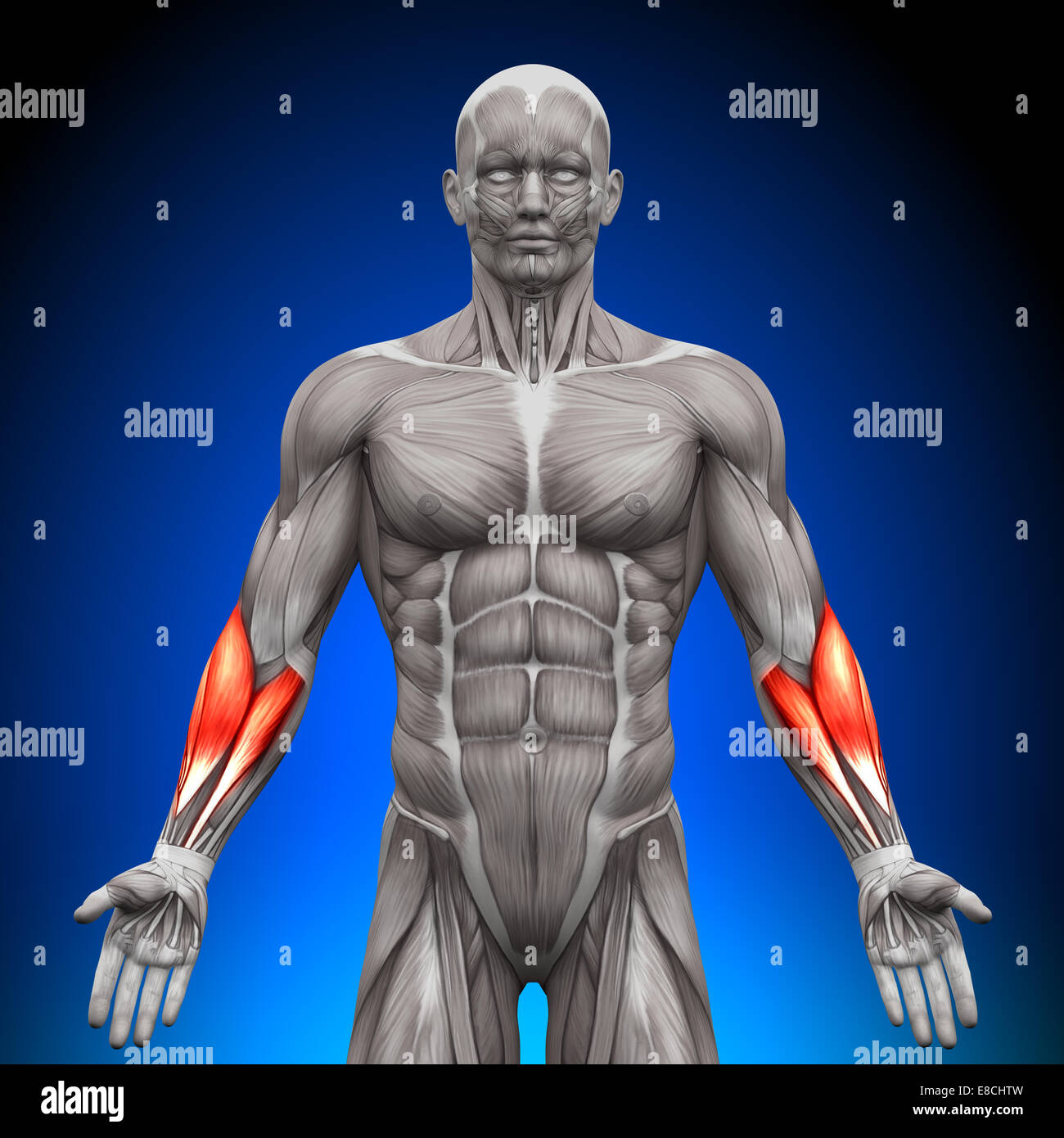
The forearms, comprising the area between the elbow and wrist, are crucial for upper limb dexterity and strength. Housing complex muscles, tendons, and nerves, they enable movements like gripping and lifting. Regular exercise, such as wrist curls and grip training, enhances their strength, improving overall upper body function and reducing injury risk.

Forearms

The forearms are an essential part of human anatomy, forming a critical link between the upper arm and hand. Comprised of the radius and ulna bones, the forearm enables movement and strength, facilitating rotational motions like pronation and supination. This rotational ability is crucial for everyday tasks, such as twisting a doorknob. 여러 muscles, tendons, and nerves enhance dexterity and strength for gripping and lifting. Exercises like wrist curls bolster muscle endurance, vital for functional tasks and aesthetic balance, highlighting the forearm’s significant role.

Select Wishlist

Cart Menu Button Image11Left Menu Icon
Your Cart