The Truth About Appetite Suppressants: Do They Really Work?

Appetite suppressant tablets help reduce hunger and control food intake, often used in weight management. They typically alter neurotransmitter levels related to fullness. Common ingredients include fibers like glucomannan and compounds like phentermine. Though effective for some, they may cause side effects like increased heart rate and insomnia. Consulting healthcare professionals before using them is crucial.

The Rise and Fall of Sibutramine: A Controversial Weight Loss Drug

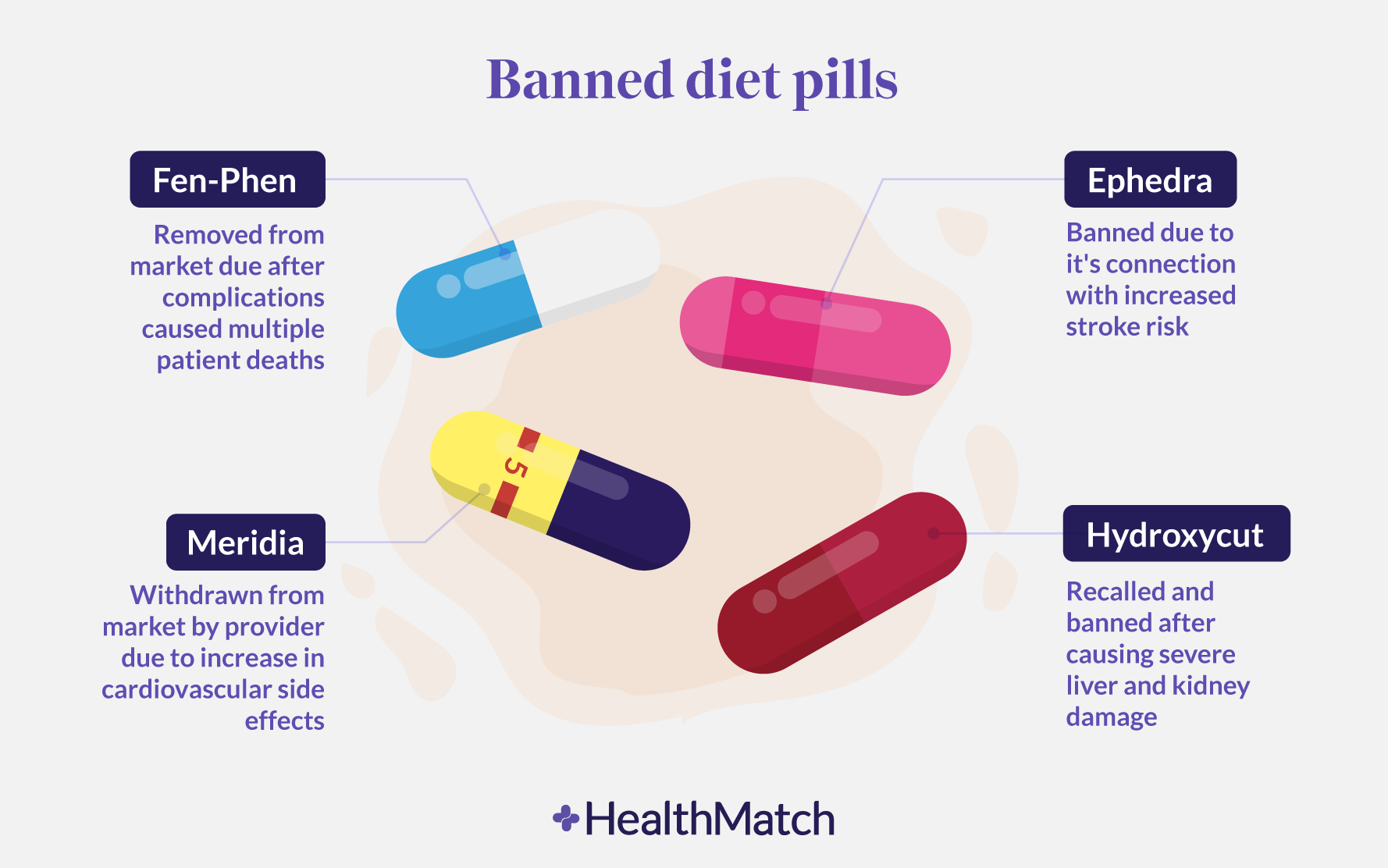
Sibutramine, once a popular prescription medication for obesity management, functioned by altering brain neurotransmitters to suppress appetite and enhance feelings of fullness. Despite its effectiveness in aiding weight loss alongside diet and exercise, it was linked to significant cardiovascular risks, including elevated blood pressure and increased chances of heart attacks and strokes. Consequently, it was banned in several regions, such as the United States and European Union, in 2010. Although no longer legally available, it still sometimes appears illegally in non-prescription supplements, sparking ongoing safety concerns.

Get Your Ideal Body: A Breakthrough in Weight Loss Drops

Weight loss drops have garnered attention for their convenience, assisting those aiming to shed pounds through easy-to-use supplements. Composed of homeopathic ingredients, amino acids, and herbal extracts, these drops claim to boost metabolism and suppress appetite, complementing a healthy lifestyle. Despite their promise, efficacy varies, often lacking scientific backing. Users should consult healthcare providers to address potential side effects and interactions with other medications, considering a comprehensive approach with diet and lifestyle changes for long-term success.

Is Adipex the Right Fit for Your Weight Loss Journey? A Full Guide

In the quest for effective weight loss solutions, many individuals turn to pharmaceutical aids such as weight loss Adipex. This prescription medication, known generically as phentermine, helps suppress appetite by stimulating neurotransmitter release in the brain, aiding obese individuals in reducing caloric intake and achieving weight loss when combined with diet and exercise. However, like any medication, Adipex can have side effects, including increased heart rate and restlessness. It is essential to navigate its use with a healthcare provider to ensure safety and effectiveness, as part of a broader commitment to lifestyle changes for lasting results.

Understanding Adipex-P: Uses, Benefits, and Potential Side Effects

Adipex-P, a prescription medication primarily used for weight loss, has been a topic of discussion and analysis in the medical community for years. Primarily prescribed to individuals with a body mass index (BMI) of 30 or higher or those with a BMI of 27 coupled with other weight-related conditions like diabetes or hypertension, Adipex-P functionsRead More

Select Wishlist

    Left Menu Icon
    Your Cart