Mastering the Decline Dumbbell Bench Press

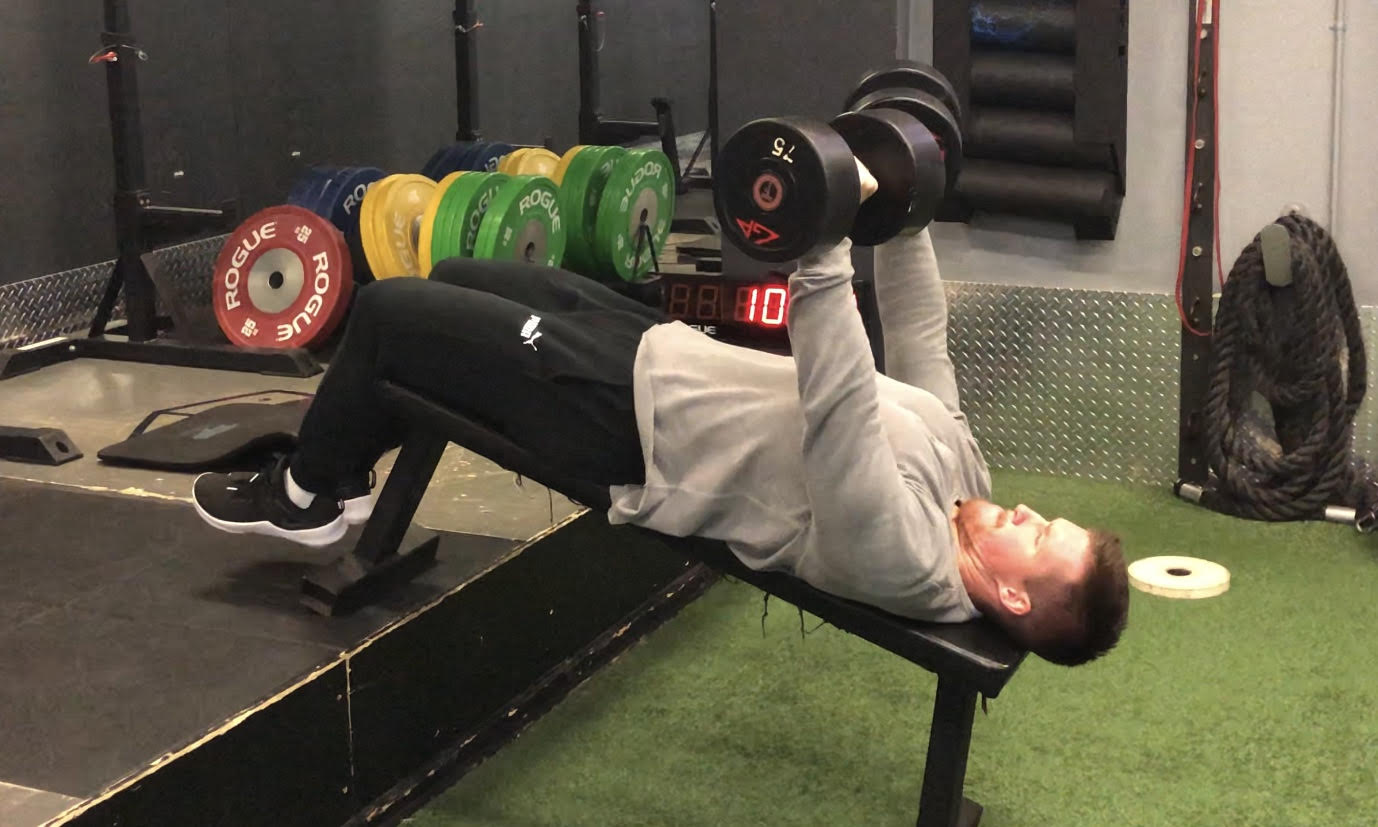
The decline dumbbell bench press effectively targets the pectoral muscles’ lower portion while enhancing overall upper body strength. Performing this exercise on a decline bench, typically set at a 15 to 30-degree angle, allows for greater engagement of the lower chest. The use of dumbbells supports a wider range of motion, helping prevent muscular imbalances. It also activates the triceps and anterior deltoids. Proper form involves controlled movement and breathing, and the decline angle can reduce shoulder strain, catering to those concerned with joint health. This makes the exercise beneficial for comprehensive chest development.


Incline vs. Flat: Why the Incline Bench Press Offers a Different Challenge

The incline bench press is often more challenging than the flat bench press due to its angle and targeted muscle engagement. By inclining the bench between 15 to 30 degrees, it emphasizes the upper pectoral muscles and anterior deltoids, requiring more stabilization and control. This setup reduces lower chest muscle use and limits lifting capacity, making it demanding yet effective for upper chest development.

Rethinking the Bench Press: Why Some Bodybuilders Opt Out

In the realm of bodybuilding, one might assume that the bench press is a staple exercise for achieving a chiseled physique. However, some bodybuilders are moving away from this traditional exercise. Let’s delve deeper into why bench pressing is becoming less favorable among bodybuilding enthusiasts. Potential for Injury SPONSORED BY:2023 Guide to Safe and LegalRead More

Select Wishlist

    Left Menu Icon
    Your Cart