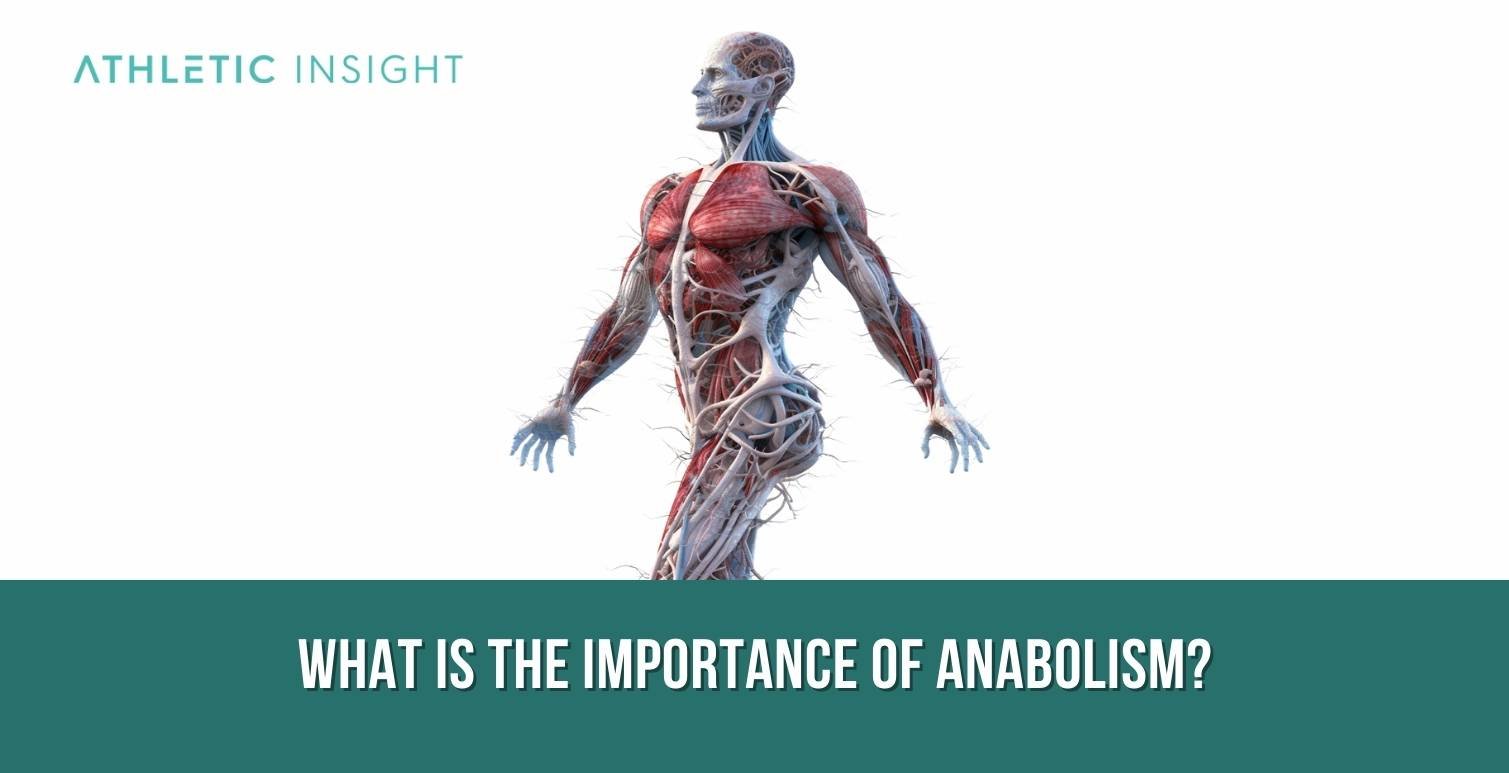
Anabolism: The Building Blocks of Body Growth and Repair

Anabolism is a crucial aspect of metabolism, characterized by the constructive phase where energy is used to synthesize complex molecules from simpler ones. This involves building cellular components like proteins and carbohydrates, essential for cell growth and repair. Fueled by energy from catabolic processes, anabolism requires ATP and involves enzyme-catalyzed reactions. Hormones like insulin play vital roles, stimulating pathways for tissue regeneration and energy storage.
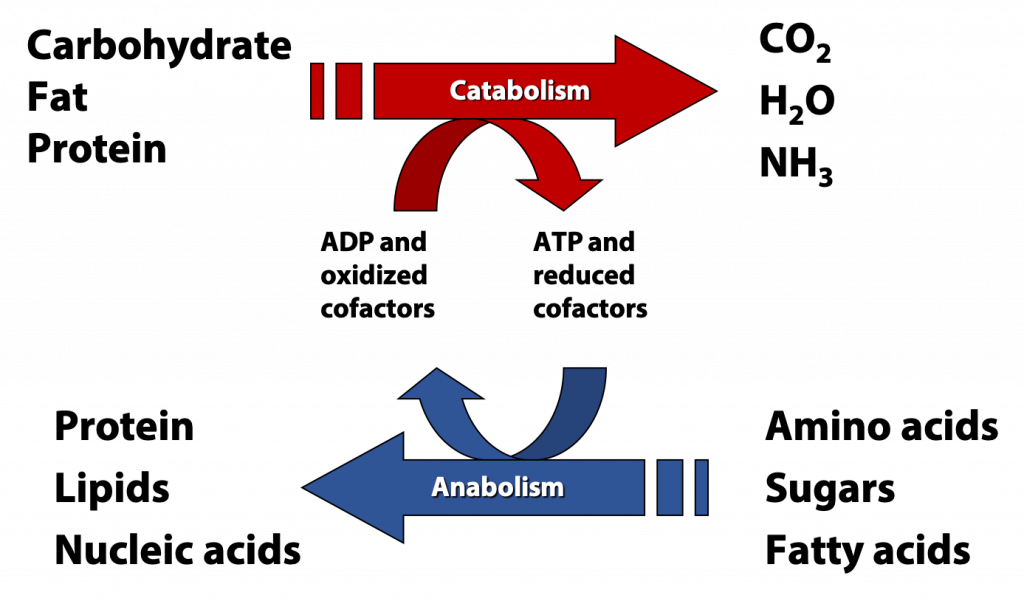
Exploring the Science Behind Fatty Acid Anabolism

Fatty acid anabolism, also known as lipogenesis, is the metabolic process through which cells synthesize fatty acids from acetyl-CoA and malonyl-CoA precursors. This biosynthesis primarily occurs in liver and adipose tissues, facilitated by the fatty acid synthase complex. The process starts with acetyl-CoA carboxylase catalyzing the formation of malonyl-CoA, followed by a series of reactions that elongate the carbon chain by two carbons per cycle, producing saturated fatty acids. NADPH and ATP are required, highlighting its energy-dependent nature.

Select Wishlist

    Left Menu Icon
    Your Cart