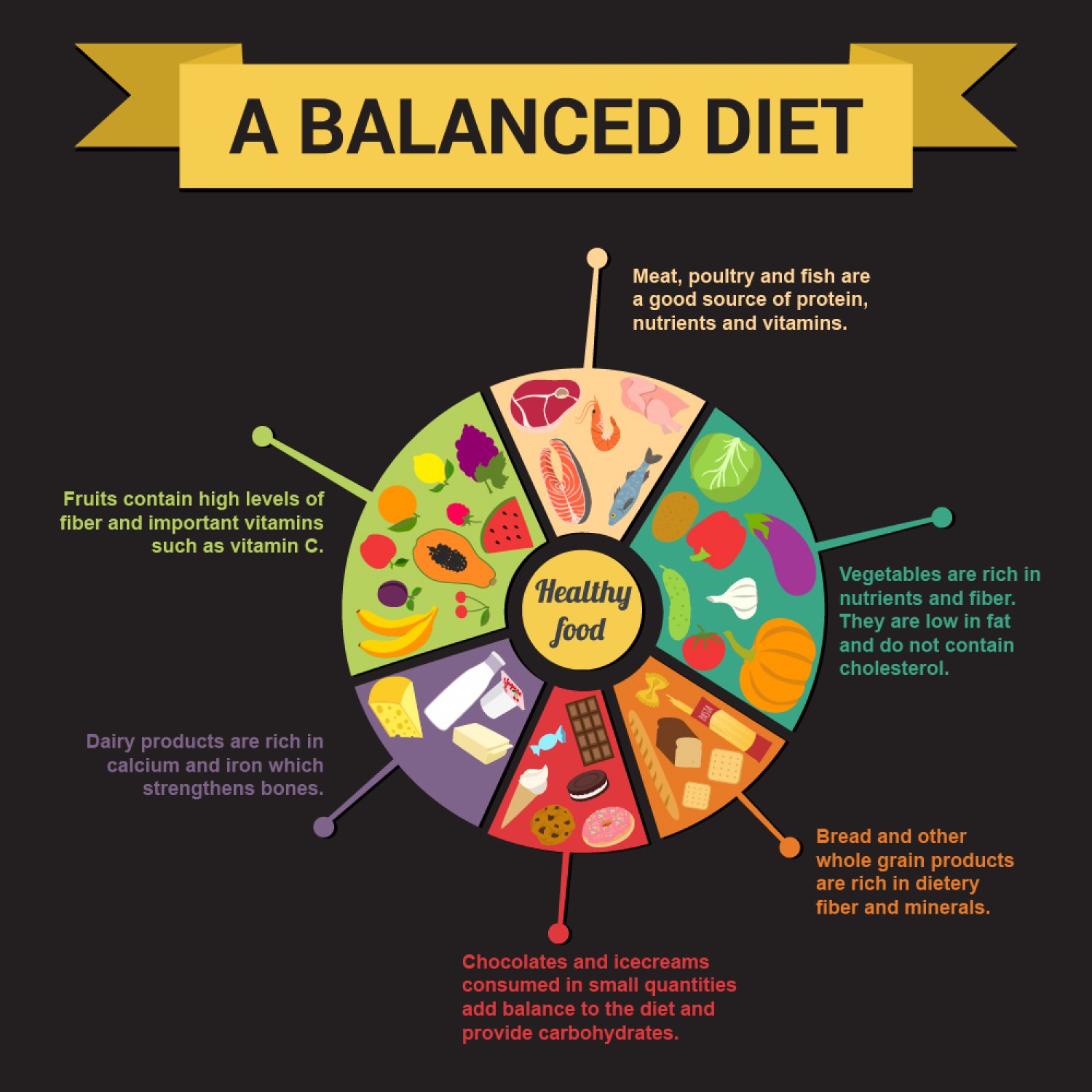
Balancing Nutrition: How Diet Can Complement Safe Steroid Use

Incorporating steroids into a diet requires careful planning due to potential health risks. Steroids, known for enhancing muscle growth, can impact metabolism and physiology when paired with specific diets. A nutrient-rich diet with adequate proteins, carbs, and healthy fats is vital to minimize side effects and support growth. Hydration and micronutrients also play crucial roles. Caution and professional guidance are advised to navigate legal and health challenges, including liver damage and hormonal imbalances.

Eating Right: Dietary Guidelines for Those on Steroid Medication

When on steroids, particularly corticosteroids, it’s vital to manage your diet to minimize side effects and maintain health. Steroids can lead to increased appetite, weight gain, fluid retention, and high blood sugar levels. To counter these, focus on a diet rich in lean proteins, whole grains, fruits, and vegetables, while limiting sugars, fats, and salt. Protein helps preserve muscle mass, and fiber-rich foods aid digestion, improving satiety to control cravings. Staying hydrated is key to managing fluid retention, and monitoring carbohydrates is essential for blood sugar control. Consulting with a nutritionist can provide personalized dietary advice aligned with your steroid regimen.

Select Wishlist

    Left Menu Icon
    Your Cart