
Magnesium Glycinate vs. Citrate: Which is the Better Choice for You?

Magnesium glycinate and magnesium citrate are two popular magnesium supplements, each with unique characteristics. Magnesium glycinate is chelated, bound to glycine, resulting in better absorption and fewer gastrointestinal side effects, like diarrhea. It’s ideal for sensitive digestive systems and for improving sleep and calmness. Meanwhile, magnesium citrate, combined with citric acid, offers high bioavailability and a laxative effect, making it suitable for constipation but possibly challenging for sensitive stomachs. Choosing between them depends on health goals and tolerance.
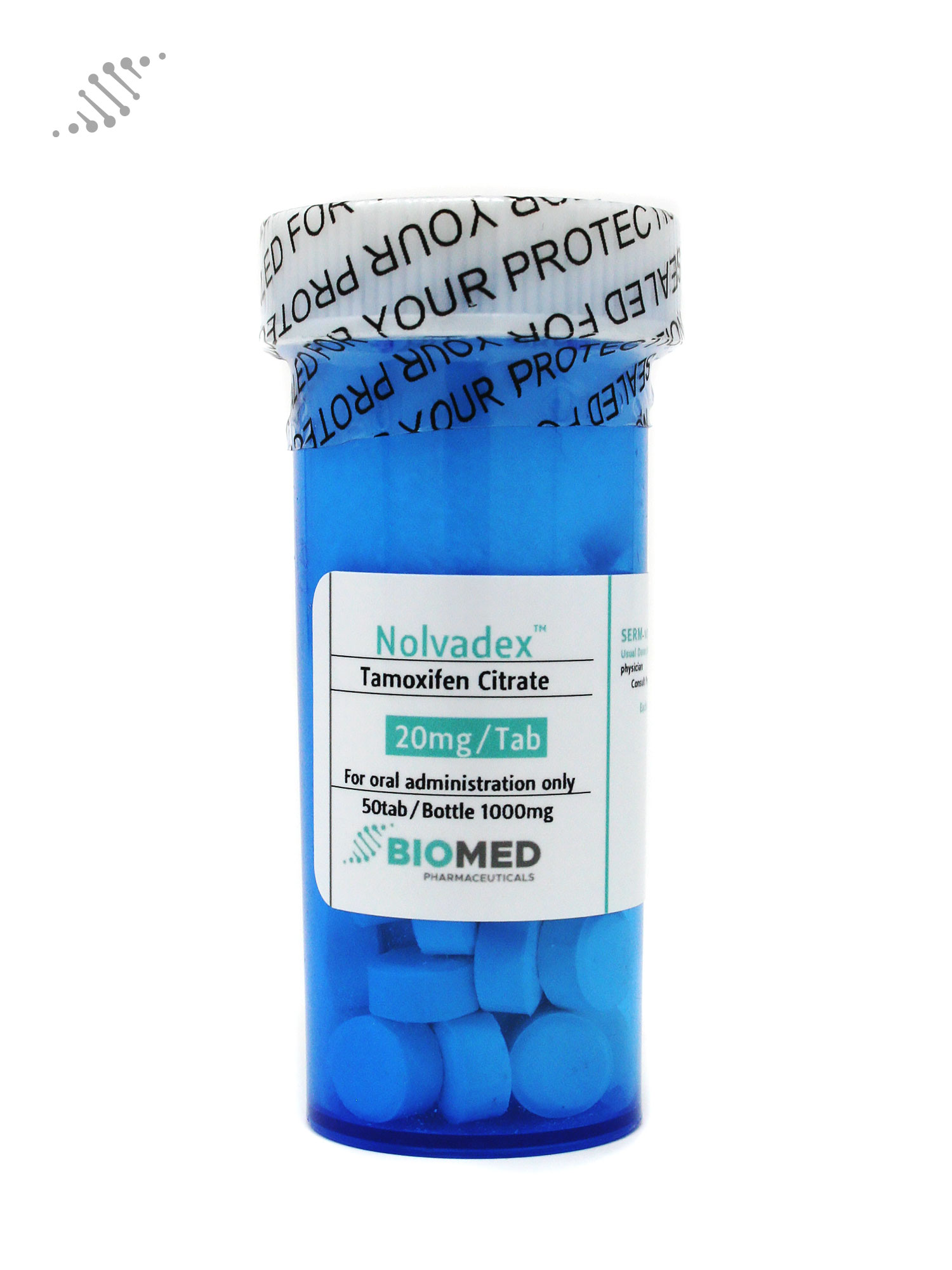

Tamoxifen Citrate

Tamoxifen citrate is a nonsteroidal selective estrogen receptor modulator (SERM) widely used in treating hormone receptor-positive breast cancer. It functions by binding to estrogen receptors on cancer cells, blocking estrogen’s effects, thus hindering cancer growth. Tamoxifen is also used preventively in high-risk individuals to reduce breast cancer risk. In addition, its ability to normalize the ovulatory cycle allows its use in treating infertility. Despite these benefits, it can cause side effects like an increased risk of endometrial cancer, blood clots, hot flashes, and vaginal discharge.

Clomiphene Citrate:Revolutionizing Women’s Reproductive Health

Clomiphene, originally developed for treating female infertility by stimulating ovulation, is now gaining recognition in fitness and bodybuilding communities for its role in balancing hormones. Its ability to modulate hormonal levels helps restore natural testosterone production in athletes during post-cycle therapy, following steroid use.

Select Wishlist

    Left Menu Icon
    Your Cart