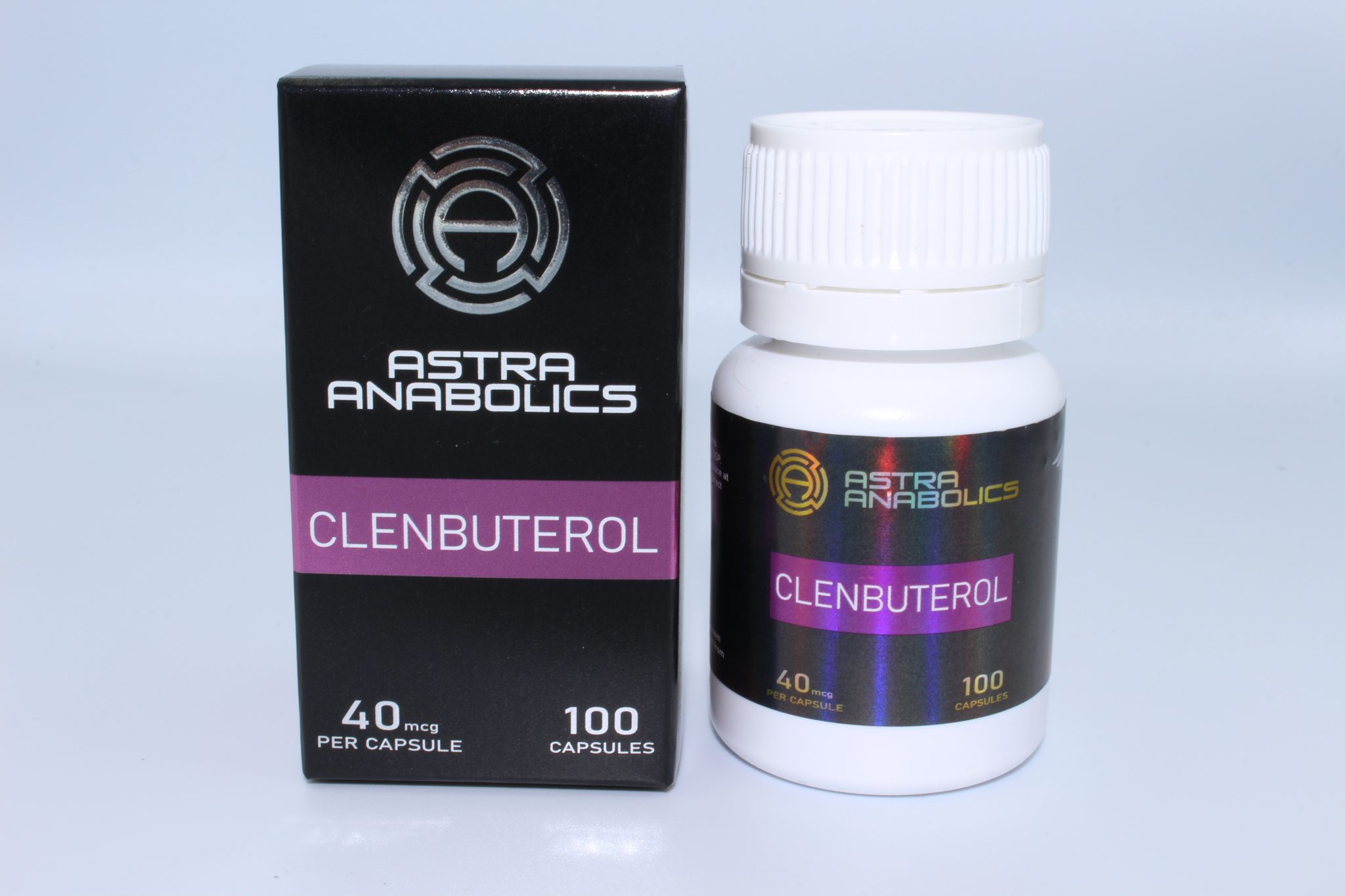
Clenbuterol: Miracle Fat Burner or Dangerous Substance?

Clenbuterol, a beta-2 adrenergic agonist, is primarily used as a bronchodilator for conditions like asthma, but it has gained popularity in bodybuilding for its performance-enhancing properties. It increases the basal metabolic rate, aiding fat loss while preserving muscle mass. Despite its benefits, it carries potential risks such as cardiovascular issues and muscle cramps. Its use is either banned or regulated in many regions and by the World Anti-Doping Agency, emphasizing the need for caution and professional consultation before considering its use.

Clen

Clen, short for Clenbuterol, has emerged in the wellness sector, celebrated for aiding fat loss and its potential in skincare. Traditionally used in veterinary medicine, Clen is now embraced by fitness enthusiasts and those keen on anti-aging solutions. Its role in enhancing skin elasticity and reducing fine lines makes it popular in beauty circles. However, incorporating Clen into one’s routine requires careful guidance and awareness of its interactions with other supplements. The substance remains a debated topic due to associated health risks and its controversial usage in various regions.

Clenbuterol

Clenbuterol is a synthetic compound from the beta-2 adrenergic agonists drug class, primarily used to treat asthma by acting as a bronchodilator. It eases breathing by relaxing airway muscles but is also used off-label for athletic performance enhancement and weight loss. While it can increase metabolic rate and promote fat burning, it is banned in many sports and countries due to side effects like increased heart rate and anxiety. Its use in livestock raises health concerns, leading to strict regulations.

Is Clenbuterol the Key to Rapid Weight Loss?

Clenbuterol, originally a bronchodilator for asthma, has gained attention in fitness circles for performance enhancement and weight loss. As a beta-2 agonist, it stimulates receptors in the body to increase metabolism, burn fat, and preserve muscle. Despite benefits like improved endurance, it’s associated with risks such as heart rate increase and anxiety, and is banned in sports by authorities like WADA. Legal issues also arise, as it’s not approved for human use in many places, including the U.S., where it’s often misused. Users should prioritize safe alternatives and medical advice.

Select Wishlist

Cart Menu Button Image3Left Menu Icon
Your Cart