Argireline 3: The New Age of Anti-Aging Skincare

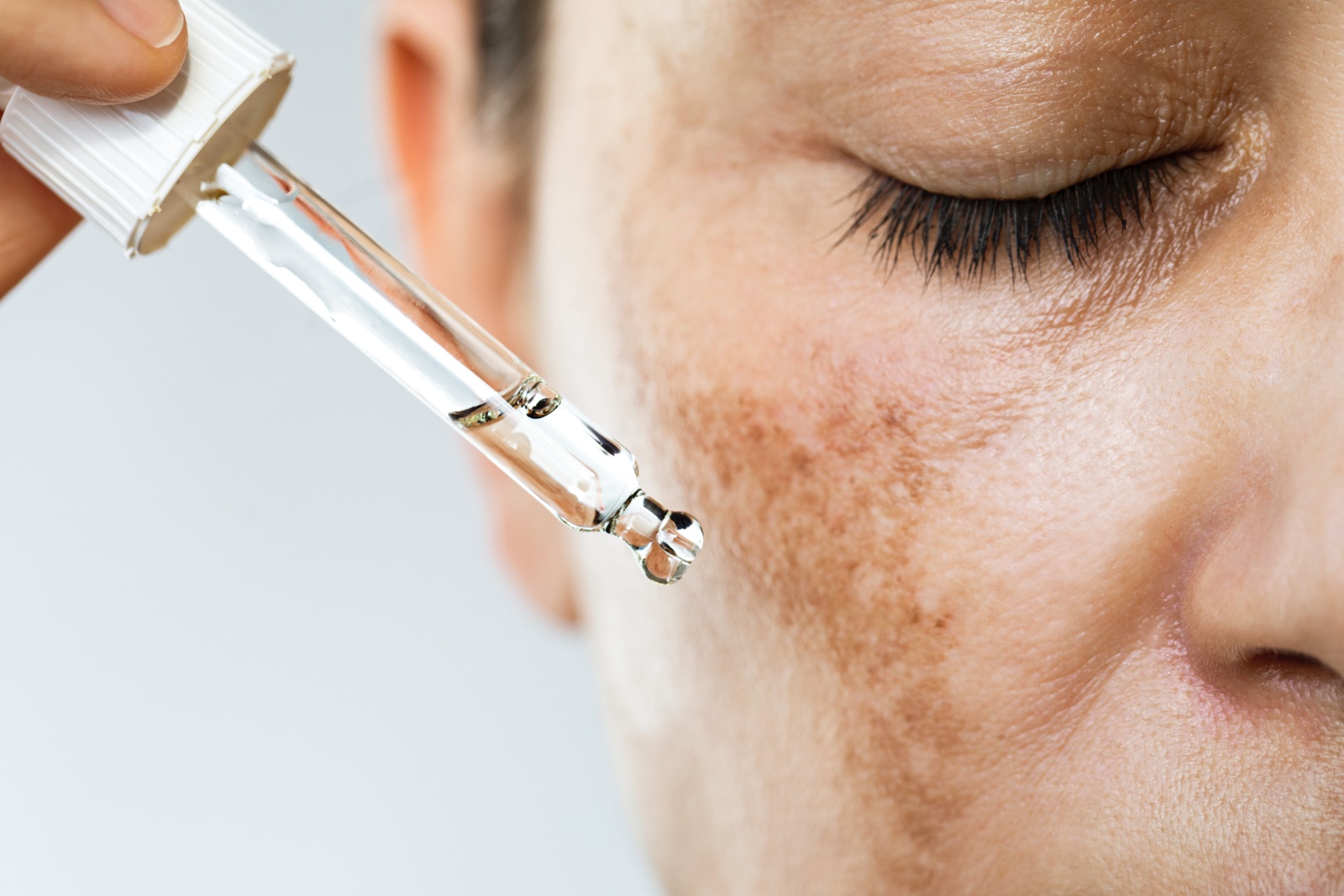
Argireline 3, a standout in skincare, mimics Botox effects through Acetyl Hexapeptide-8. By inhibiting neurotransmitters, it smoothens skin, reducing fine lines prominently on expressive areas like the forehead. As a non-invasive option, it appeals to those seeking youthful skin without injections, offering immediate tightening results for all skin types.
Peptides: In Skin Tightening and Anti-Aging Treatments

Peptides are short chains of amino acids that serve as fundamental building blocks of proteins such as collagen and elastin, which are vital for maintaining skin’s firmness and elasticity. As we age, our natural production of collagen diminishes, leading to sagging and wrinkles. Incorporating peptides into skincare can help counteract these effects by signaling the skin to boost collagen production, thereby enhancing skin firmness and reducing sagging.

Tanning Without Sun: Melanotan’s Role in the Fight Against UV Damage

Melanotan is a lab-engineered peptide that mimics the hormone responsible for melanin production, encouraging a tan without excessive sun exposure. Beyond tanning, it may offer benefits like anti-aging properties and appetite control. However, potential side effects such as nausea and increased pigmentation highlight the need for medical consultation. Regulatory bodies caution against its use, emphasizing the importance of informed decisions. Despite interest in its skincare and wellness applications, careful consideration is essential before incorporating Melanotan into one’s routine.

The Rise of Melanotan: How Social Media Influences Tanning Trends

Melanotan is a synthetic peptide mimicking the hormone α-MSH, crucial for skin pigmentation. It stimulates melanin production, leading to a sunless tan. Though noted for benefits like UV protection and appetite suppression, it remains unapproved by major health agencies. Users should consult professionals due to potential risks.

The Dark Side of Tanning: Health Implications of Melanotan Use

Melanotan, often called the “Barbie Drug,” is a synthetic peptide gaining attention in fitness circles for its tanning effects by boosting melanin. It mimics melanocyte-stimulating hormone, binding to receptors for darker skin without UV exposure. Besides tanning, it’s linked to appetite suppression and increased libido. Yet, its risks include nausea and hyperpigmentation, coupled with legal controversies. Users are urged to consult healthcare providers, recognizing its unregulated status and potential side effects. Caution is advised due to limited long-term safety studies.

Exploring the Science Behind Melanotan II: Benefits and Risks

  Melanotan II is a synthetic peptide that is primarily known for its ability to stimulate melanin production in the skin. This leads to a tan-like effect, which has made it popular among individuals seeking a quicker way to achieve a sun-kissed appearance without the harmful effects of UV exposure. The substance was initially developedRead More

Melanotan: The Science Behind the ‘Sunless Tan’ Revolution

Melanotan is a synthetic peptide that is often used to stimulate the production of melanin in the body. Melanin is the pigment responsible for the color of our skin, hair, and eyes. While the primary use of Melanotan is to enhance skin pigmentation, it has also garnered attention for its potential effects on libido, appetiteRead More

Melanotan II: The Controversial Tanning Peptide – What You Need to Know

Melanotan II (MT-II) is a synthetic peptide that has gained popularity for its potential to increase melanin production in the skin, offering a tanned appearance without the harmful effects of UV exposure. Originally developed for research on skin cancer, Melanotan II stimulates the body’s natural tanning process and has captured the interest of individuals seekingRead More

Select Wishlist

    Left Menu Icon
    Your Cart