Creatine benefits for women

Creatine, a well-researched supplement, offers numerous benefits for women looking to enhance fitness and overall health. By increasing phosphocreatine in muscles, it aids ATP production, crucial for high-intensity exercise, leading to improved strength and performance. It also supports quicker recovery, reduces soreness, and might enhance cognitive function, promoting mental clarity.
Creatine hair loss

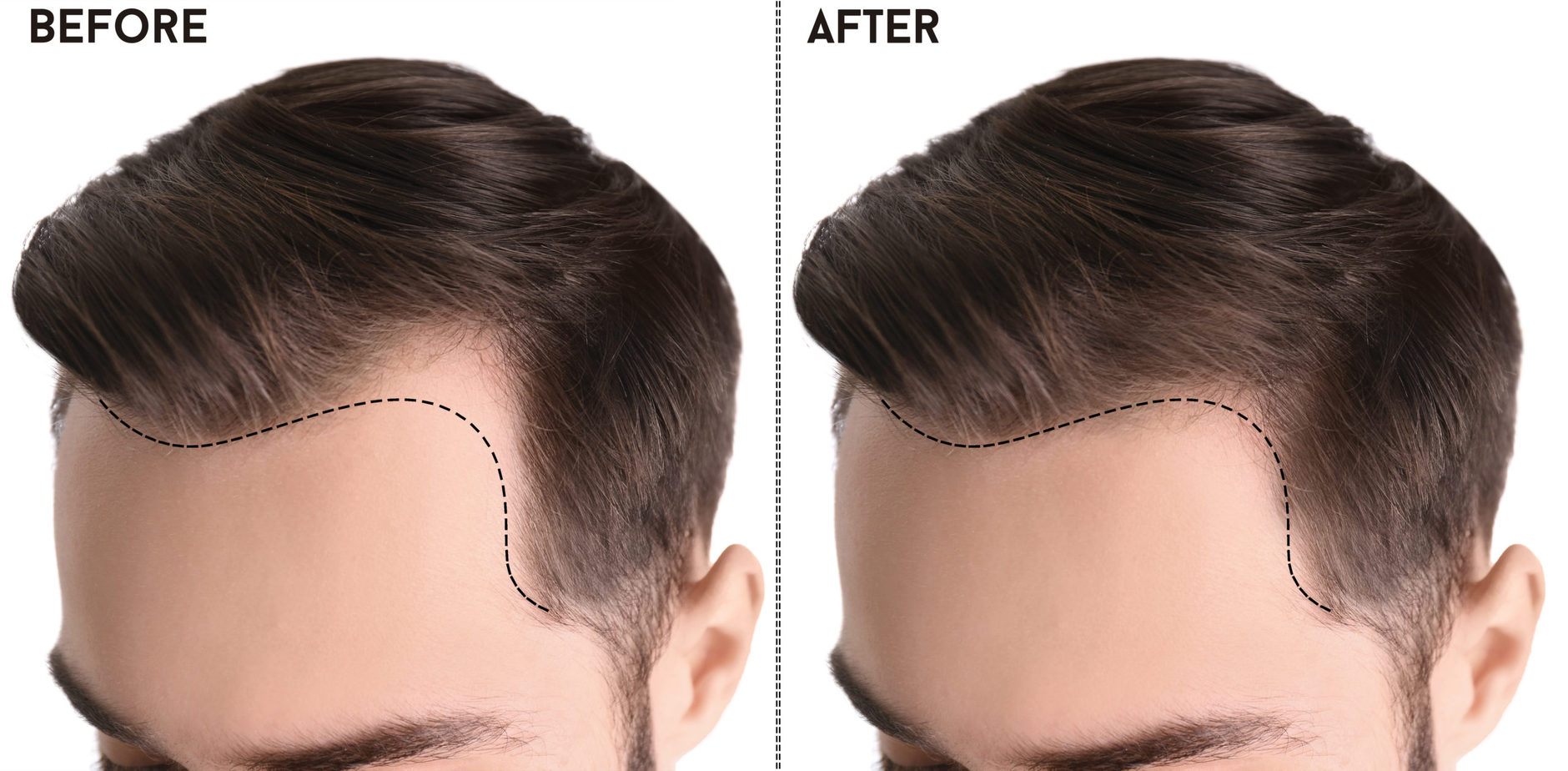
Creatine, widely used by athletes to boost muscle mass and performance, carries concerns regarding hair loss due to potential effects on dihydrotestosterone levels. Although a study indicated increased DHT with creatine, which is linked to hair loss in some, robust evidence is lacking. Those genetically predisposed to hair loss should weigh creatine’s benefits and consult healthcare professionals.

Creatine results

Creatine, a widely recognized supplement among athletes and bodybuilders, is acclaimed for its potential to enhance physical performance and support muscle growth. Research indicates that creatine supplementation can significantly boost strength, power, and lean muscle mass by increasing phosphocreatine availability in muscles, vital for ATP regeneration.

Creatine rich foods

Creatine is naturally found in certain foods and can enhance athletic performance and muscle growth. Red meats like beef offer significant creatine content, supporting muscle strength. Fish, particularly herring, salmon, and tuna, also contain creatine and omega-3 fatty acids. Wild game meats provide similar benefits, with often leaner profiles. For vegetarians, creatine supplements may be necessary as plant-based foods contain minimal creatine. Including creatine-rich foods can aid physical performance and recovery.

Creatine effects on women

Creatine is a popular supplement known for enhancing athletic performance, with growing recognition of its benefits for women. It supports improved strength, lean muscle growth, and exercise performance. Contrary to misconceptions, creatine doesn’t cause significant water retention or bulkiness. Additionally, it may enhance cognitive function, making it beneficial for various activities. While research is predominantly male-focused, studies indicate women also benefit with minimal side effects. Consulting a healthcare professional before beginning any supplement is advised.

Creatine urination

Creatine is a popular supplement in fitness for enhancing muscle performance and strength. A less commonly discussed aspect is its effect on urination. Creatine draws water into muscle cells, causing a fluid imbalance, which the body manages by increasing urination frequency. Proper hydration helps mitigate this side effect.

creatine side effects

Creatine is popular among athletes for enhancing muscle mass and performance, but it may have side effects. Users might experience gastrointestinal issues, such as nausea or diarrhea, especially with high doses. It can also cause water retention, leading to temporary weight gain. Although generally safe, individuals with kidney issues should consult a doctor.

creatine pre or post workout

Creatine is a widely researched supplement that enhances athletic performance and muscle recovery. Pre-workout, it boosts ATP availability, aiding strength and endurance during intense exercise. Post-workout, it supports recovery and growth by replenishing depleted stores, assisting muscle repair and hypertrophy. Timing depends on personal preference.

creatine loading phase

The creatine loading phase is a strategic approach often used by athletes and fitness enthusiasts to quickly saturate muscle stores with creatine, a compound that plays a key role in energy production during high-intensity activities. Typically, this phase involves consuming higher-than-normal creatine doses for a period of about 5 to 7 days, usually around 20 grams per day.

Creatine non responder

Creatine is a supplement favored by athletes for boosting strength and performance. However, some, known as “creatine non responders,” show little to no improvement with its use. This can be due to high natural creatine levels, dietary habits, or muscle fiber types. Non responders can diversify their approach by adjusting training, trying other supplements, or focusing on a balanced diet to enhance performance. Understanding personal body reactions is vital for effective supplementation.

Creatine non responders

Creatine non-responders are individuals who don’t experience significant benefits from creatine, a common supplement for enhancing athletic performance. Factors influencing this non-response include initial muscle creatine levels, muscle fiber type, genetics, diet, and lifestyle. Some may have naturally high creatine levels, reducing the supplementation’s effect. A personalized approach may help optimize its effectiveness, considering dietary adjustments, training variations, and possibly exploring alternative supplements to achieve similar performance gains.

ZYZZ CREATINE

In the world of bodybuilding and fitness, supplements play a crucial role in helping athletes and fitness enthusiasts achieve their goals 📈. Among the plethora of supplements available, creatine remains one of the most researched and effective options. ZYZZ CREATINE, named in homage to the legendary bodybuilder Aziz Shavershian, popularly known as Zyzz, has gainedRead More

Left Menu Icon
Your Cart