
Cytomel T3: A Closer Look at Safe Dosages for Weight Loss

Cytomel T3, a synthetic thyroid hormone triiodothyronine, aids in regulating metabolism and is also used for weight loss by enhancing metabolism and fat loss. The appropriate dosage must be determined carefully under medical supervision to ensure safety and efficacy. Starting at low doses like 12.5 mcg per day, it can be gradually increased to a maximum of 75 mcg if well-tolerated, while monitoring for side effects. Prolonged use requires cycling off to allow thyroid recovery. Medical guidance is essential to balance hormone levels and avoid adverse effects.
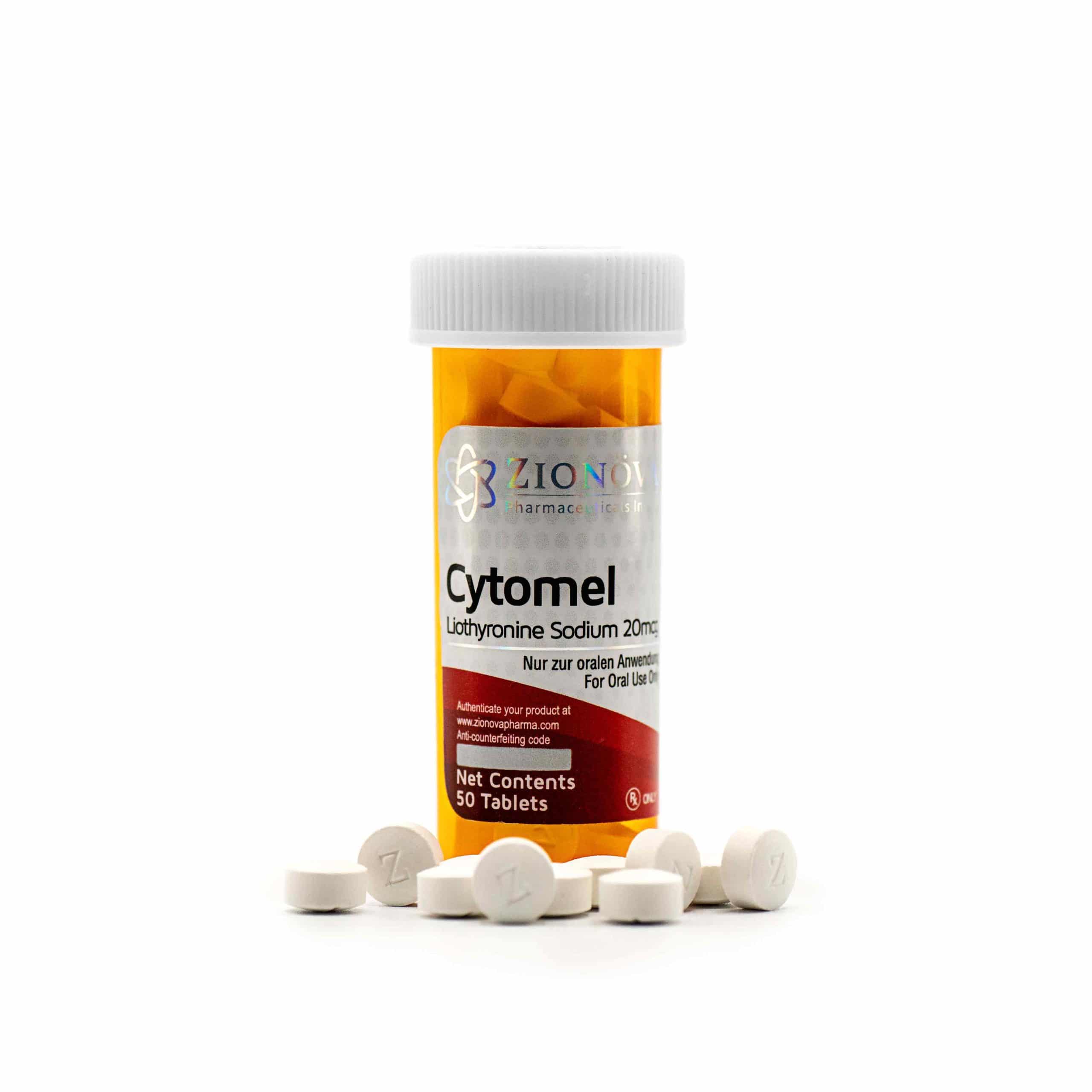
Cytomel

Cytomel, or Liothyronine, is a synthetic form of the thyroid hormone T3, crucial for metabolism and energy regulation. Used primarily for hypothyroidism, Cytomel supplements natural hormones to boost metabolism and improve quality of life. It can aid weight loss and treat mood disorders, though not approved for bodybuilding use. Potential side effects include headaches and heart palpitations, necessitating consultation with a healthcare provider. Cytomel is not safe during pregnancy without medical advice, and misuse can lead to severe health risks.

Understanding Cytomel’s Side Effects

Cytomel, generically known as liothyronine, is a synthetic form of the thyroid hormone triiodothyronine (T3). It is commonly prescribed for individuals suffering from hypothyroidism, a condition where the thyroid gland fails to produce enough hormones. While Cytomel is effective in addressing hypothyroid symptoms, patients should be aware of its side effects, as they can varyRead More

Select Wishlist

    Left Menu Icon
    Your Cart