Top 5 Deadlift Alternatives for Building Strength Without the Risk

If you’re seeking a substitute for deadlifts due to injury, lack of equipment, or simply to diversify your workout routine, there are several effective alternatives that work similar muscle groups. Exercises like the Romanian deadlift, kettlebell swing, or good mornings replicate some posterior chain activation inherent in traditional deadlifting. These provide a comprehensive workout reflecting deadlift benefits without requiring a barbell.
Deadlift Gains: A Lead to Using the Smith Machine

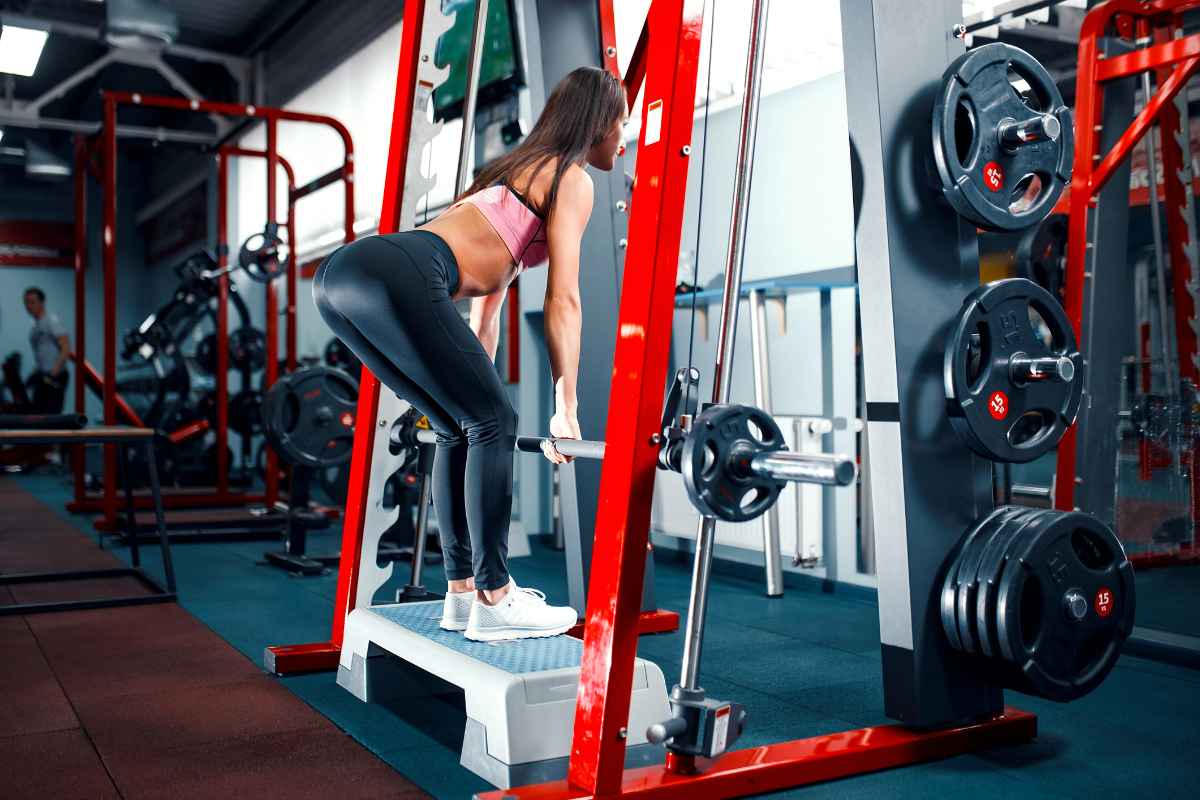
The deadlift on a Smith machine offers a controlled alternative to the traditional free-weight version, providing accessibility for beginners and a distinct training stimulus for seasoned lifters. Utilizing the Smith machine’s fixed bar path allows lifters to refine their form and technique without balancing challenges. This method engages major muscle groups such as the hamstrings, glutes, lower back, and upper traps, in a safer setting ideal for those with balance concerns or recovering from injuries. Adjustments in foot placement can even tailor it to target specific muscles.

The Basics: How to Perfect the Dumbbell Deadlift

Deadlift dumbbells offer a versatile and effective way to incorporate deadlifts into workouts, enhancing balance and engaging stabilizing muscles. This exercise mainly targets the lower body and core muscles, promoting strength in the glutes, hamstrings, and lower back. Unlike barbell deadlifts, dumbbells provide a greater range of motion, allowing for better adaptability in intensity and form improvements.

Deadlift on smith machine

The Deadlift on a Smith Machine provides increased stability and control, particularly benefiting beginners building foundational strength and those rehabbing injuries by offering a fixed bar path that reduces lift complexity and improper form risks. However, this can limit natural movement, potentially altering lift biomechanics and reducing stabilizing muscle engagement, crucial for free weight exercises. It’s advisable to complement Smith machine use with free weight training for balanced strength development.

Deadlift kettlebell

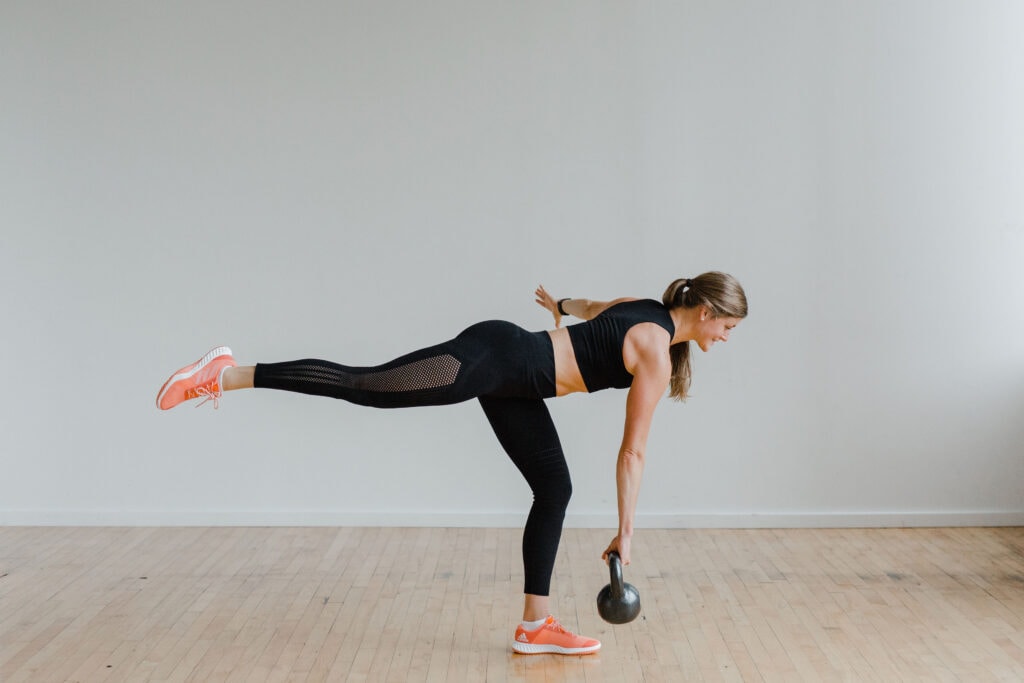
The kettlebell deadlift is a great exercise for building foundational strength, especially in the posterior chain, including the back, glutes, hamstrings, and calves. More accessible for beginners than barbell deadlifts, it allows for lighter weights and a narrower stance, aiding in form maintenance. Engaging the core while gripping the kettlebell improves hip hinge movement, enhancing flexibility and strength. This exercise also improves functional fitness as it mimics real-life movements, like lifting objects off the ground, promoting better posture and reducing lower back injury risk.

Deadlift barbell

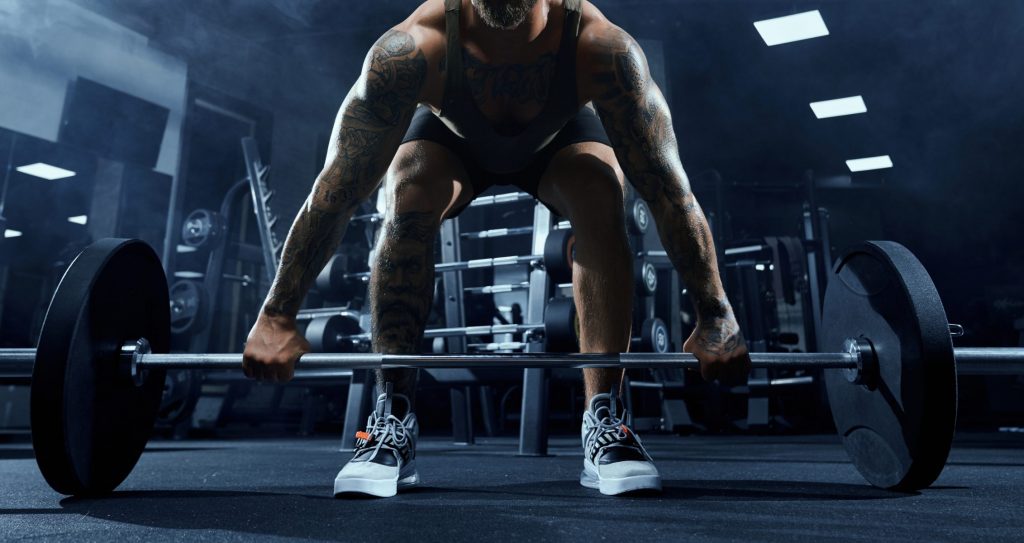
The deadlift barbell is a crucial tool in strength training, designed for heavy loads in deadlifting to target key muscle groups like the hamstrings, glutes, lower back, and forearms. Characterized by a longer shaft and pronounced whip, which adds momentum, the barbell’s rougher knurling enhances grip to prevent slipping. Regular use of a deadlift barbell can improve muscle mass, grip strength, and posture, benefiting overall athletic performance. Correct form, including a flat back and engaged core, is essential to avoid injury and optimize efficiency in lifting.

Deadlift form

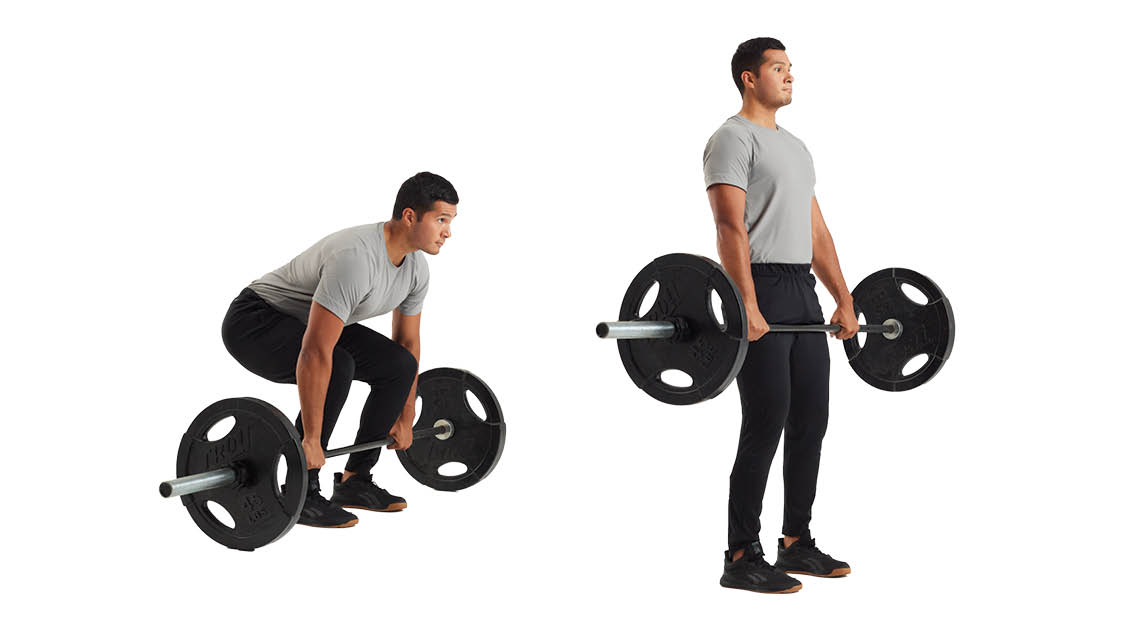
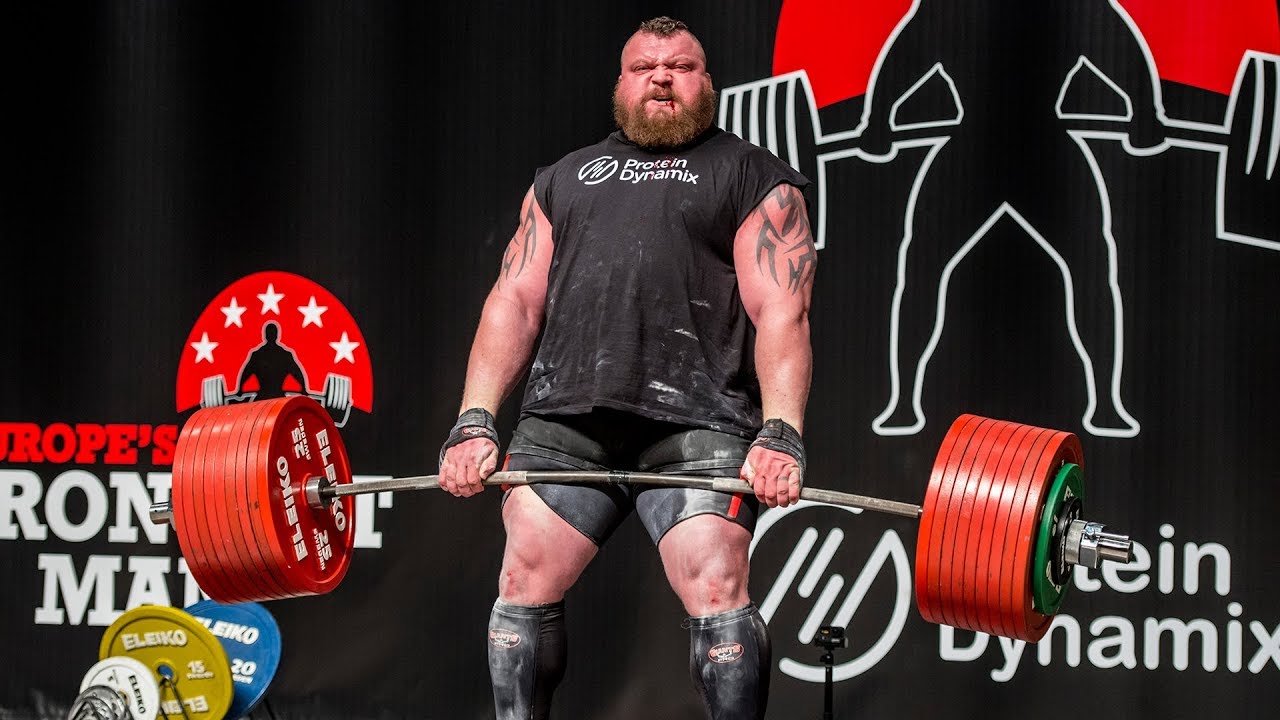
The deadlift is a fundamental compound exercise targeting the posterior chain, including the lower back, glutes, hamstrings, and core muscles. Proper form is key to effectiveness and injury prevention. Start by positioning feet hip-width apart, with the barbell over the midfoot. Your feet should point slightly outward. Hinge at the hips, gripping the bar just outside your knees while maintaining a neutral spine. As you lift, drive through your heels, keep the bar close to you, rise hips and shoulders evenly, and lock out at the top, chest out, before a controlled descent.

Deadlift dumbbell

The deadlift dumbbell is a versatile exercise targeting multiple muscle groups, including glutes, hamstrings, and core. Using dumbbells instead of a barbell improves muscle balance, reduces injury risk, and enhances control. This exercise is suitable for all fitness levels, aiding in building unilateral strength, balance, and coordination. Additionally, it offers accessibility with minimal equipment, ideal for home workouts or gyms with limited resources. Proper form is crucial to maximize benefits and avoid injury, emphasizing hip hinging and a neutral spine during the lift.

Deadlift works what muscles

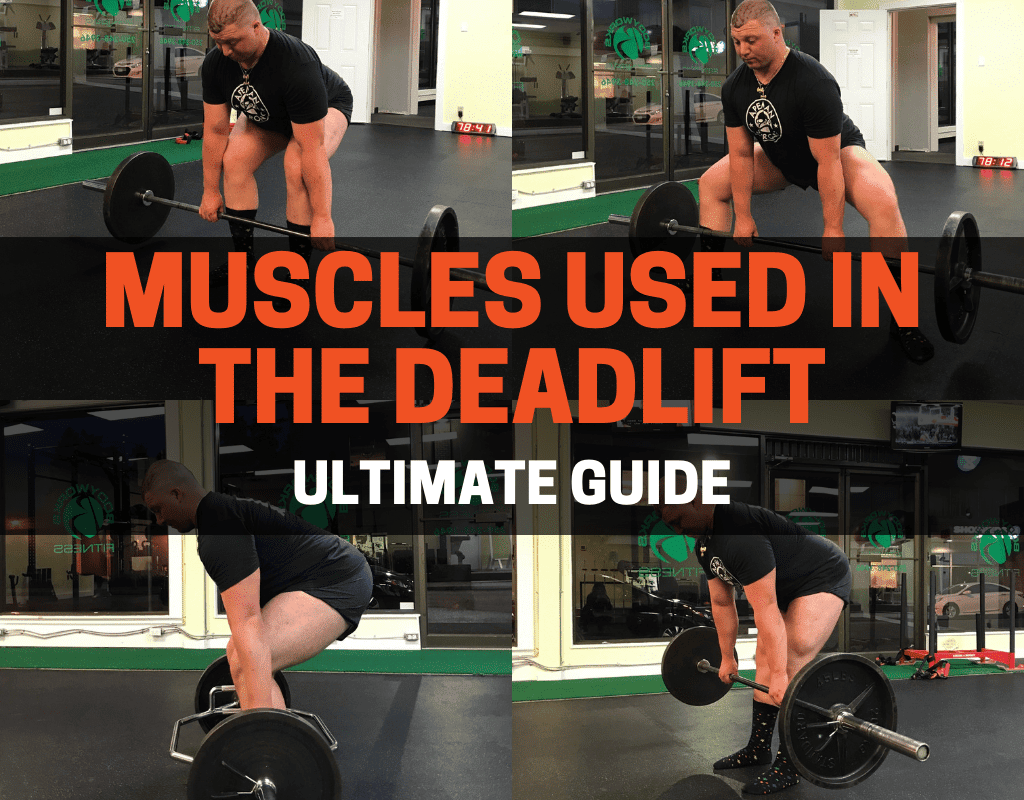
The deadlift is a compound strength training exercise that targets various muscle groups, making it a fixture in fitness programs. Key muscles include the gluteus maximus and quadriceps, which aid in lifting and knee extension, respectively. The hamstrings assist with hip extension and stability, while core muscles like the erector spinae maintain back posture during the movement. Additionally, stabilizers like the trapezius and latissimus dorsi help maintain posture and efficiency, while forearms and grip muscles are involved to hold the barbell. The deadlift fosters muscle growth and enhances functional fitness.

Select Wishlist

    Left Menu Icon
    Your Cart