How Can i Lose 2 Pounds in a Week

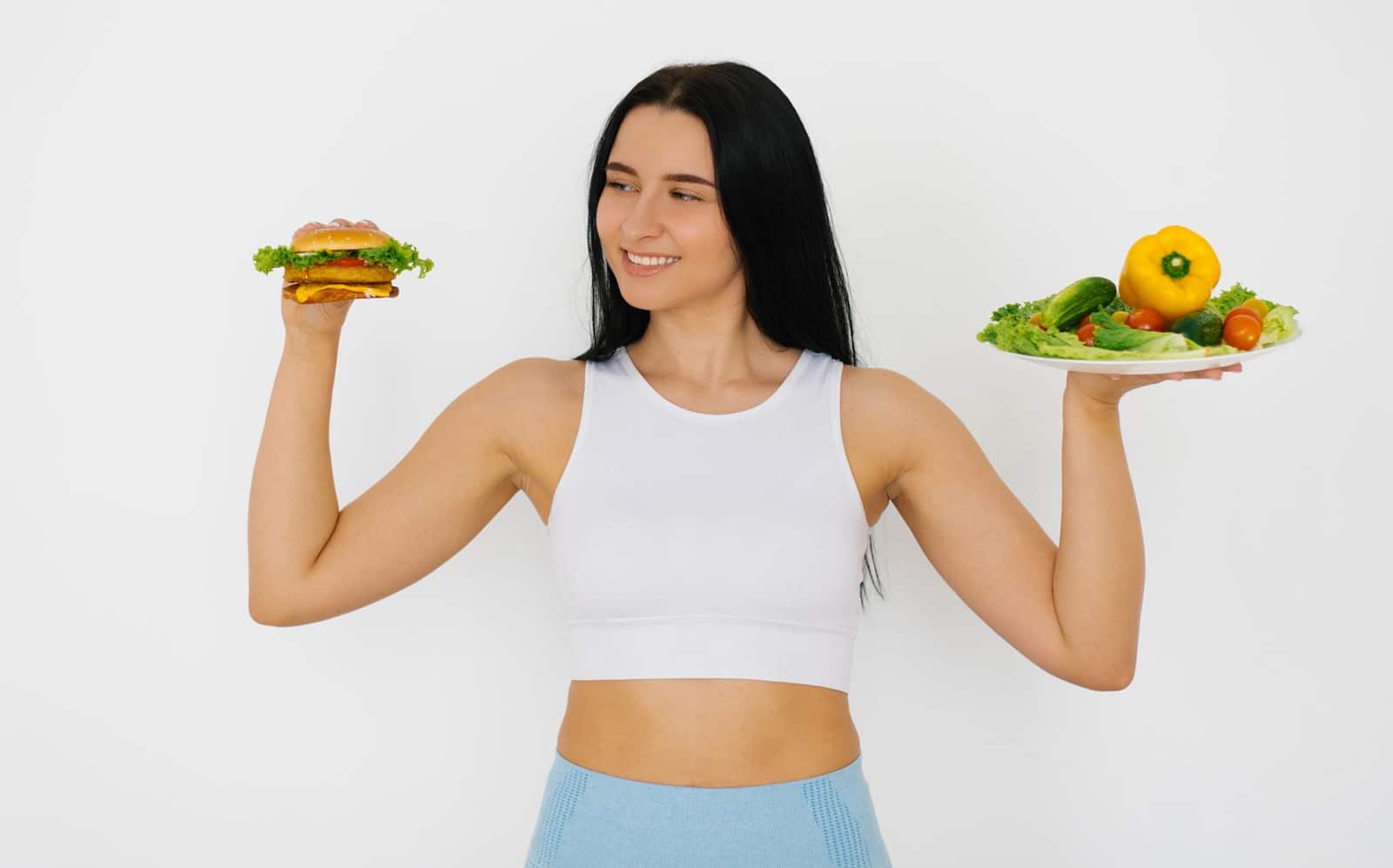
To lose 2 pounds in a week, create a calorie deficit by reducing daily intake by 500-1000 calories through diet and exercise. Focus on nutritious foods like fruits, vegetables, lean proteins, and whole grains. Incorporate physical activities such as walking or strength training. Ensure adequate sleep and hydration for best results. Always consult a healthcare professional before starting any weight loss plan.

Fuel Your Fitness: A Deep Dive into 1UP Nutrition’s Health Supplements

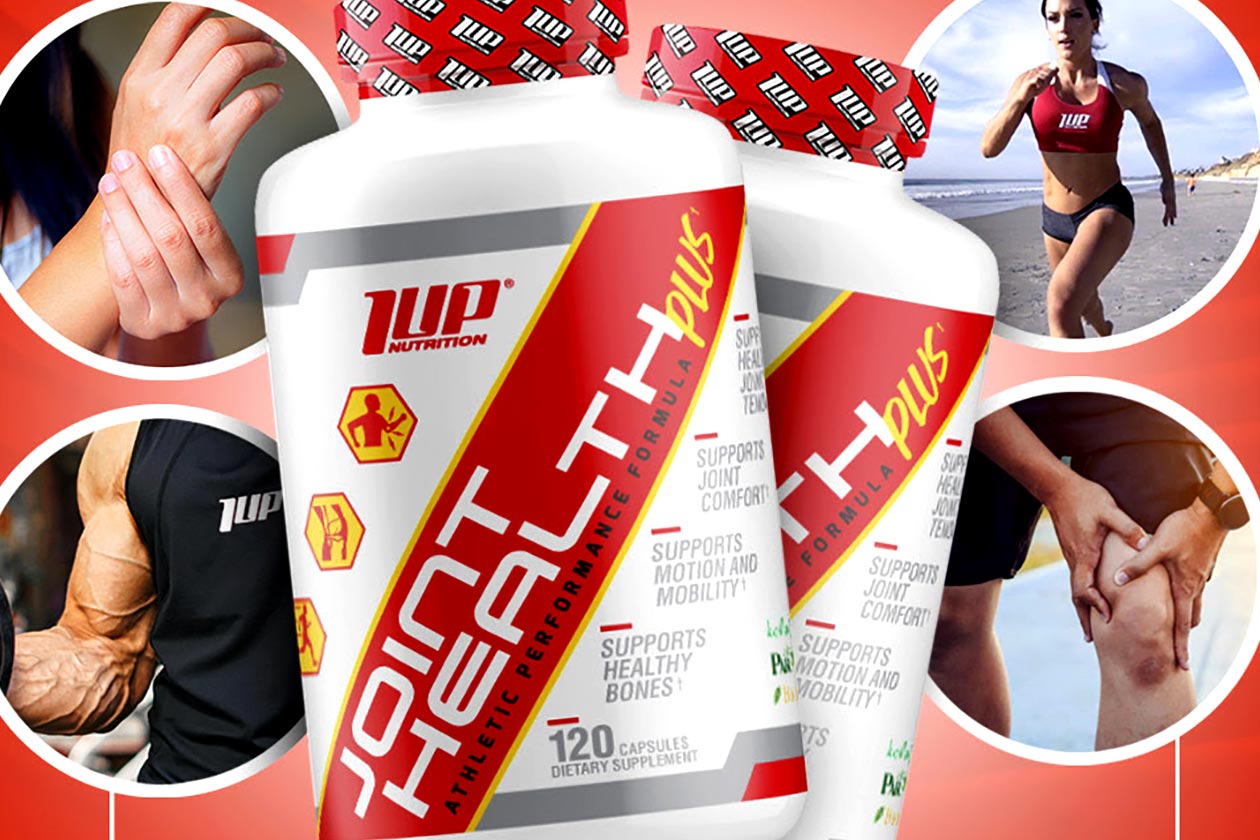
In today’s fast-paced world, individuals seek effective ways to enhance health and fitness. 1UP Nutrition provides high-quality supplements supporting various fitness goals. Their mission is to offer science-backed products for efficient fitness achievements. With a diverse product range, they cater to weight loss, muscle gain, and overall health. The brand stands out due to its quality commitment, ensuring all products undergo rigorous testing. Additionally, 1UP Nutrition fosters a community, offering resources and motivation, making it a reliable choice for fitness enthusiasts.

Protein: How Whey Can Transform Your Fitness Journey

Whey protein is a popular supplement favored by athletes and fitness enthusiasts. As a complete protein, it contains all essential amino acids, aiding muscle growth and recovery. Derived during cheese-making, it comes in forms like concentrate and isolate. With rapid absorption, it’s ideal post-workout. Its benefits extend to weight management and immune support, making it a staple in many diets.

Acai Bowls: Superfood or Sneaky Calorie Bomb?

Acai bowls, popular for their health benefits and antioxidant-rich content, are not inherently fattening. The acai berry itself is low in calories and fat, but toppings like granola, honey, and nut butters can add calories. These additions increase the sugar and fat content, making the bowl calorie-dense. Monitoring portion sizes and toppings is key if weight management is a goal.

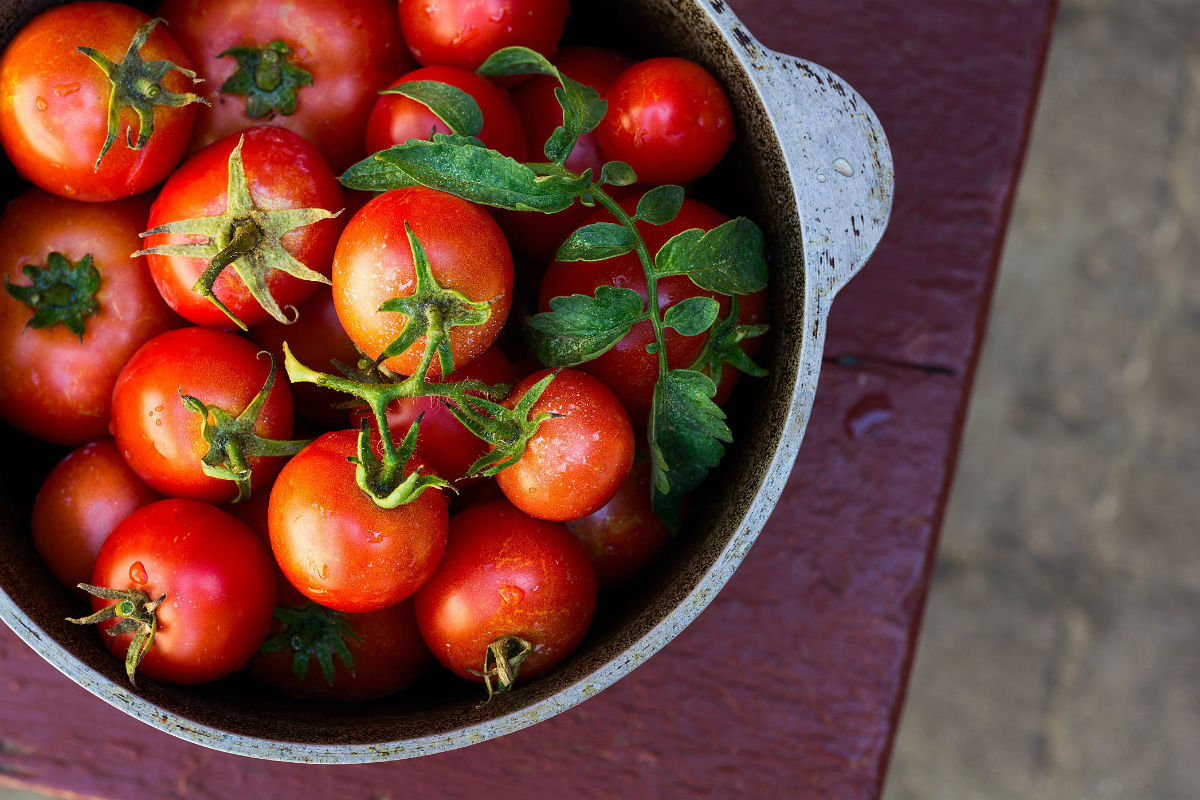
Tomatoes: Juicy Red Powerhouses of Health?

Tomatoes offer numerous health benefits as they are rich in essential nutrients like vitamin C, potassium, folate, and vitamin K. Their antioxidant content, particularly lycopene, is associated with reduced risks of heart disease and cancer. Additionally, tomatoes help with hydration and digestion due to their high water content and support weight management with their low calorie and carbohydrate levels. They are a versatile and nutritious addition to any diet, enhancing both the flavor and health profile of a variety of dishes.

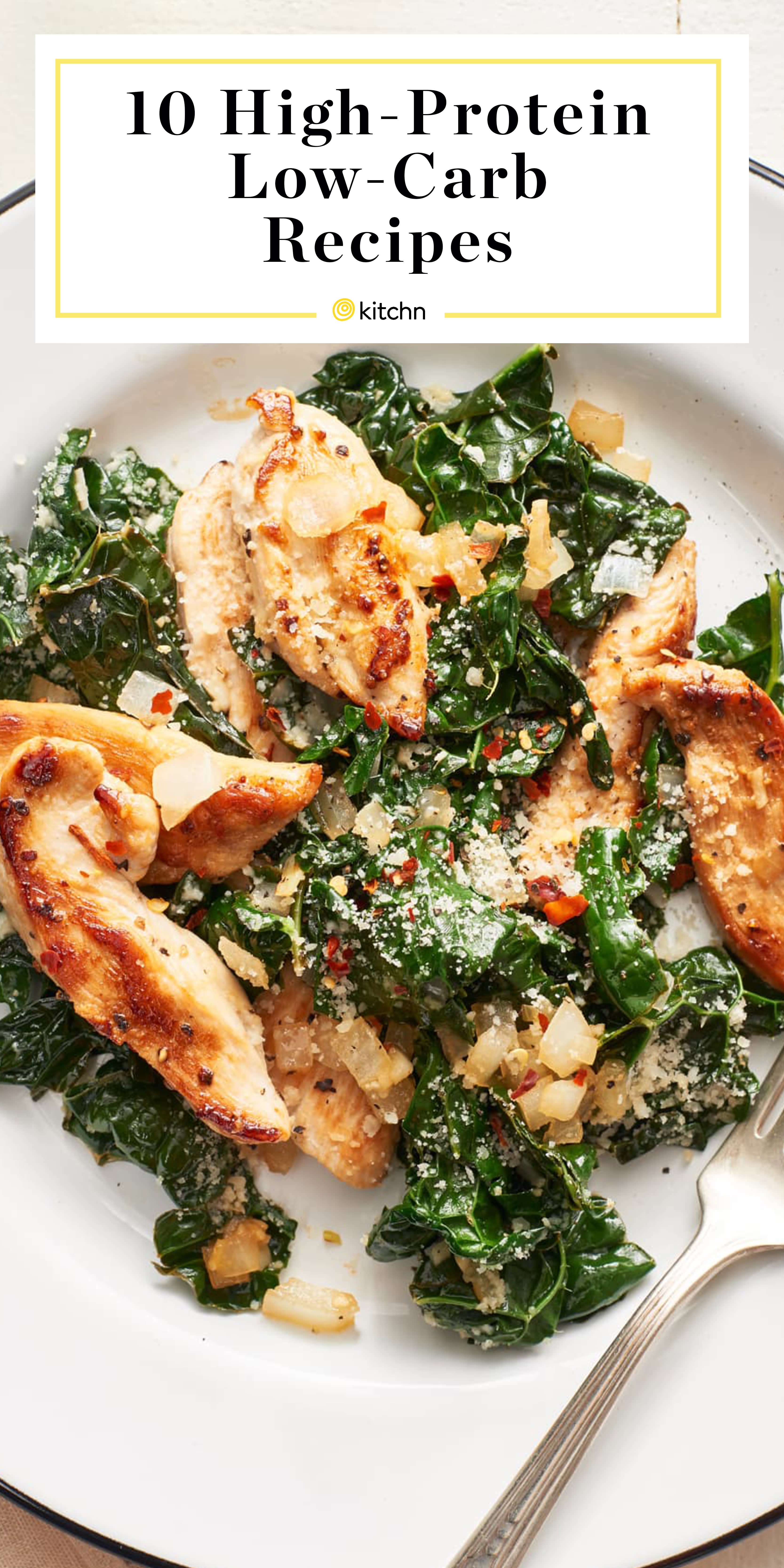
Delicious No-Carb, High-Protein Recipes for Every Meal!

In the quest for a healthier lifestyle, no carb high protein recipes have gained popularity among fitness enthusiasts and health-conscious individuals. These recipes help maintain energy levels, build lean muscle, and shed pounds. A diet rich in protein supports tissue repair and boosts metabolism. Grilled Lemon Herb Chicken Breasts, Spicy Tuna Salad, and Garlic Butter Shrimp are great examples of such recipes that focus on maximizing protein intake while minimizing carbohydrates.

Low-Carb Veggie Heroes: Best Vegetables for Keto Enthusiasts

When it comes to following a low-carb lifestyle, vegetables play a pivotal role in providing essential nutrients while keeping carbohydrate intake in check. Leafy greens like spinach, kale, and lettuce offer vital phytonutrients while being low in carbs. Cruciferous vegetables, such as broccoli and cauliflower, are known for their cancer-fighting properties. Additionally, zucchini and bell peppers add flavor and texture, promoting weight management without exceeding carb limits. Understanding low-carb vegetables helps diversify meals and maintain a healthy balance.

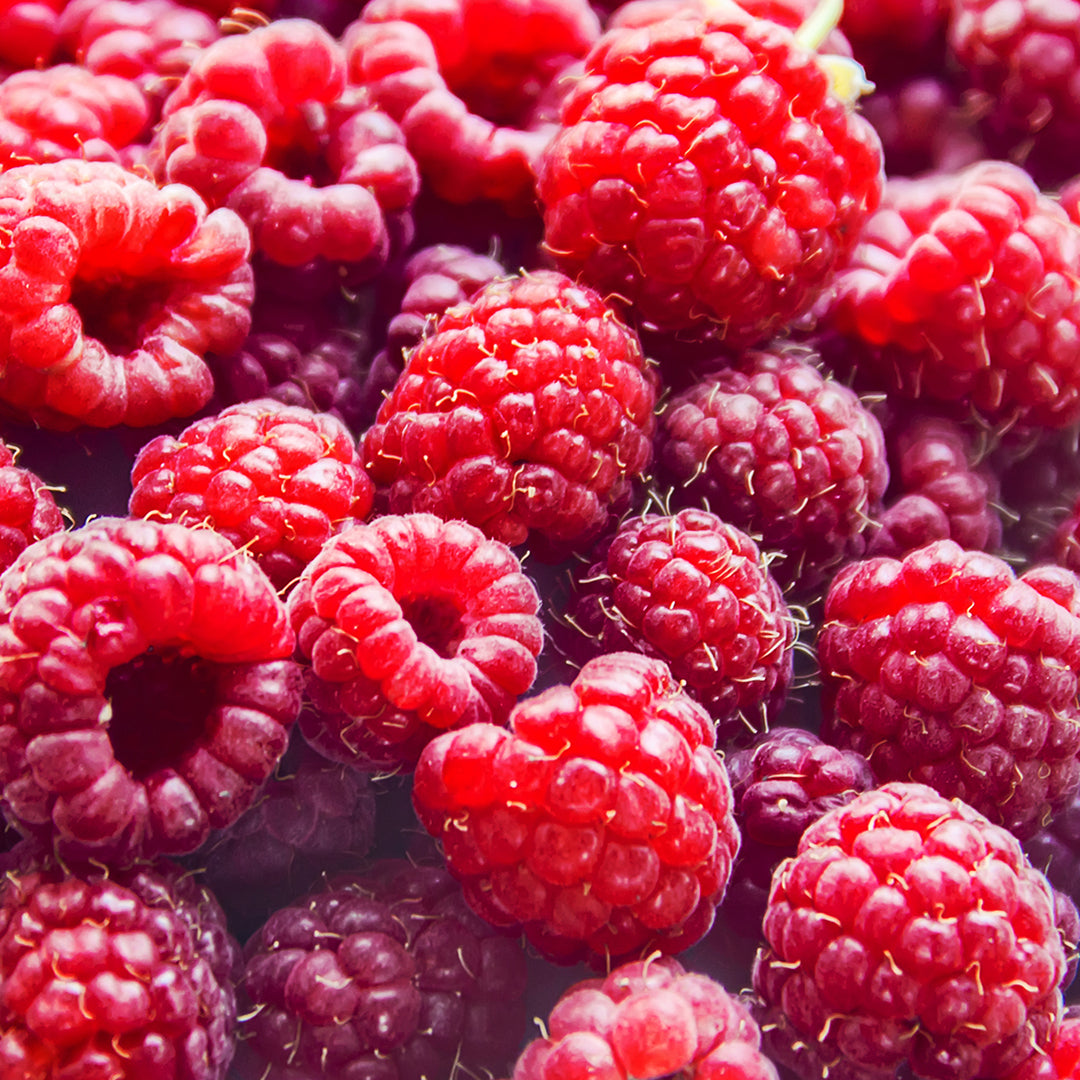
Raspberry Revelations: Calorie Count and Health Benefits

Raspberries are a delightful and nutritious fruit that are low in calories, making them an excellent choice for those seeking a healthy and satisfying snack. Typically, a cup of fresh raspberries contains approximately 65-70 calories, which is relatively low compared to other fruits. Despite their modest calorie content, raspberries are rich in dietary fiber, vitamins, and antioxidants.

Inside David Goggins’ Diet: Fueling an Unstoppable Force

David Goggins, renowned for his extraordinary feats of endurance and mental toughness, follows a disciplined diet that complements his grueling fitness regimen. His approach is characterized by a low-carbohydrate, high-protein diet, often aligning with ketogenic principles. Lean proteins like chicken, fish, and eggs, along with healthy fats from nuts and avocados, are emphasized. Vegetables and leafy greens ensure essential vitamin intake. Hydration and meal timing are critical, enhancing performance and discipline. This diet philosophy supports his resilience and peak physical condition, crucial to his endurance achievements.

Pickles: A Tart Treat with Surprising Health Benefits?

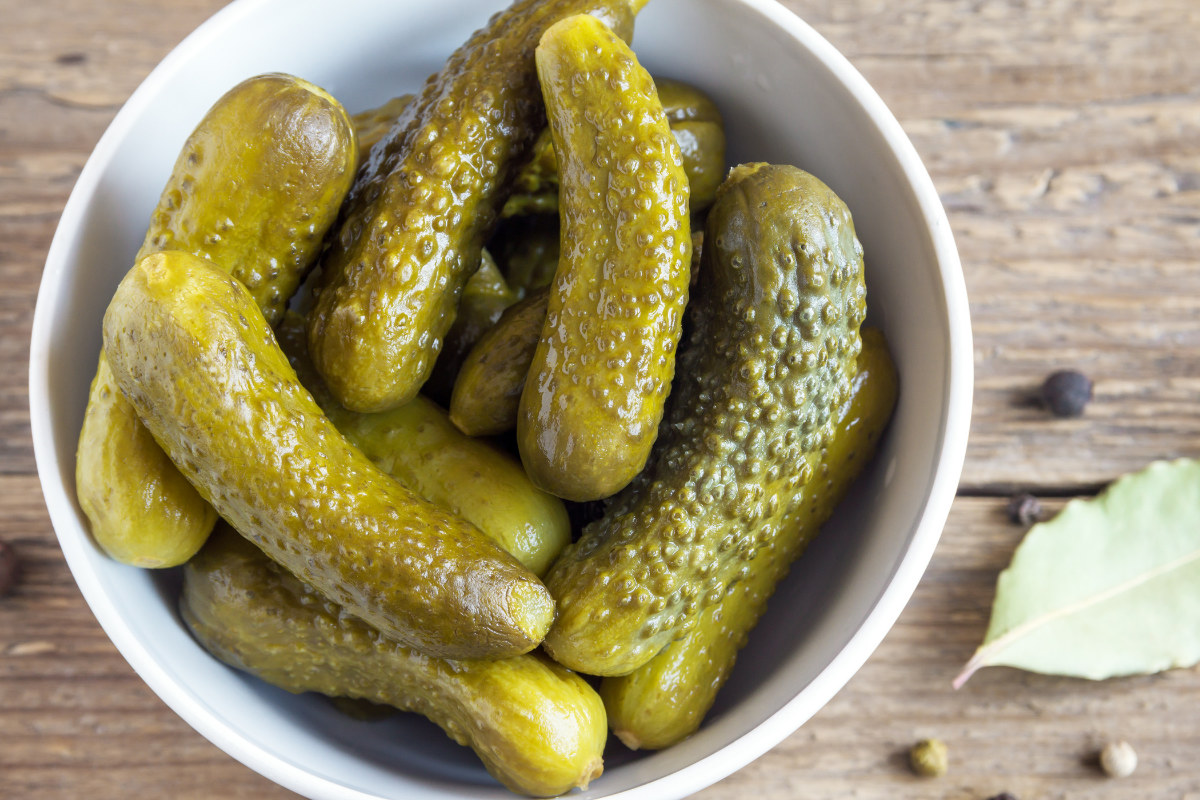
Pickles, beloved for their tangy crunch, can be a healthy addition to your diet when eaten in moderation. Fermented cucumbers in a brine solution of water, vinegar, and spices not only add flavor but also offer health perks. This fermentation process introduces probiotics, beneficial for gut health. Low in calories, pickles make a guilt-free snack but are high in sodium, which can affect blood pressure if overconsumed. While they can be part of a healthy diet, it’s crucial to enjoy them sparingly and monitor sodium intake.

The Health Benefits of Jasmine Rice: A Nutritional Guide

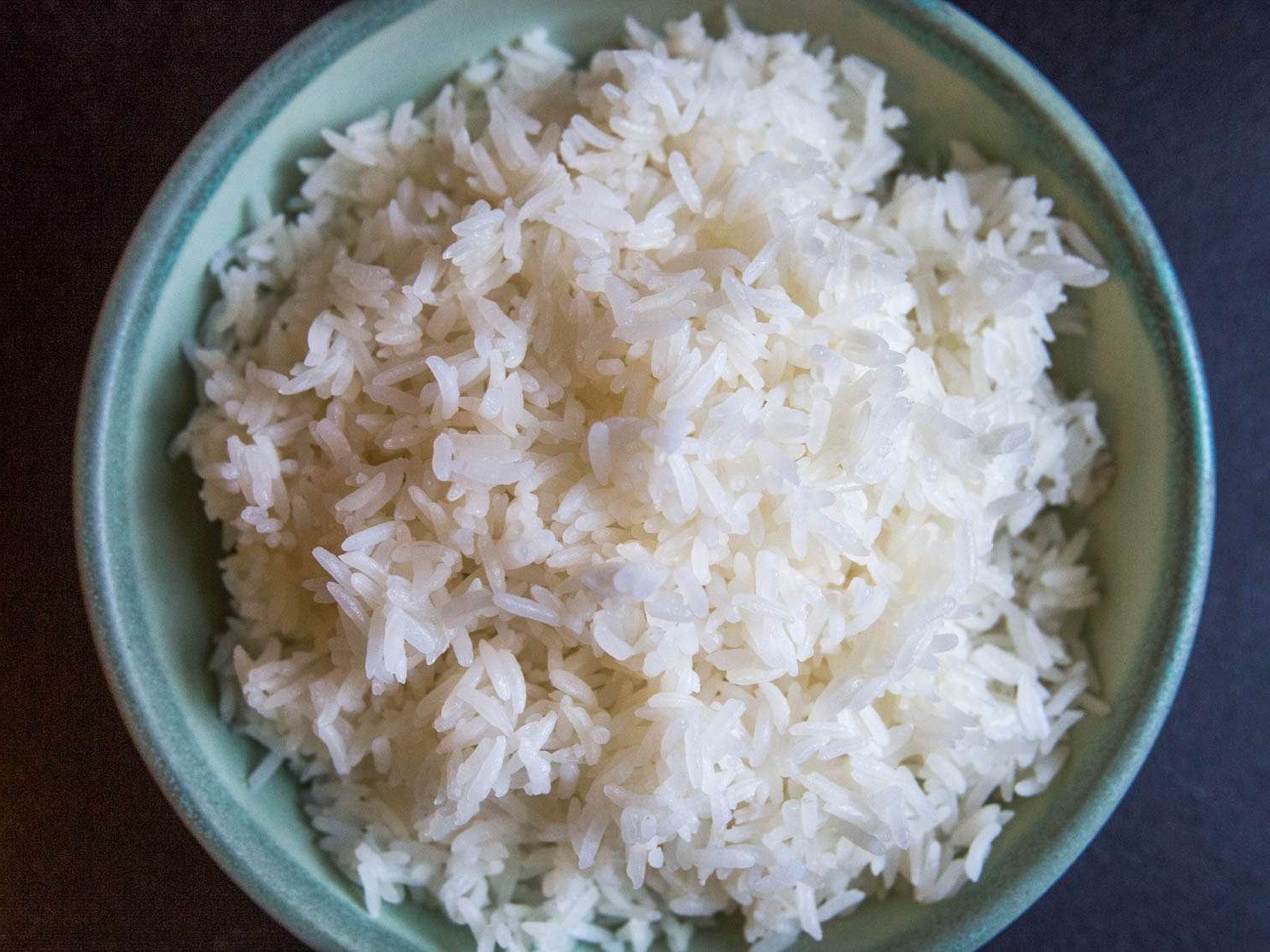
Jasmine rice, a long-grain variety from Thailand, is celebrated for its floral aroma and slightly sticky texture. It offers essential carbohydrates, serving as a primary energy source. While white jasmine rice may lead to rapid blood sugar spikes due to higher glycemic index, brown jasmine rice provides more fiber and nutrients, making it a healthier option. Balancing its intake within a varied diet is key to reaping its nutritional benefits.

Top Low-Calorie Fruits to Add to Your Diet

Fruits low in calories are perfect for those conscious of their weight but looking to enjoy nutritious food. These fruits often have high water content and are rich in essential nutrients. Watermelon, for instance, contains about 30 calories per 100 grams, providing a refreshing and hydrating option. Strawberries also serve as a sweet treat with only about 32 calories per 100 grams, delivering plenty of vitamin C and manganese, making them ideal for a healthy diet.

Eating by Type: The Pros and Cons of the Blood Group Diet

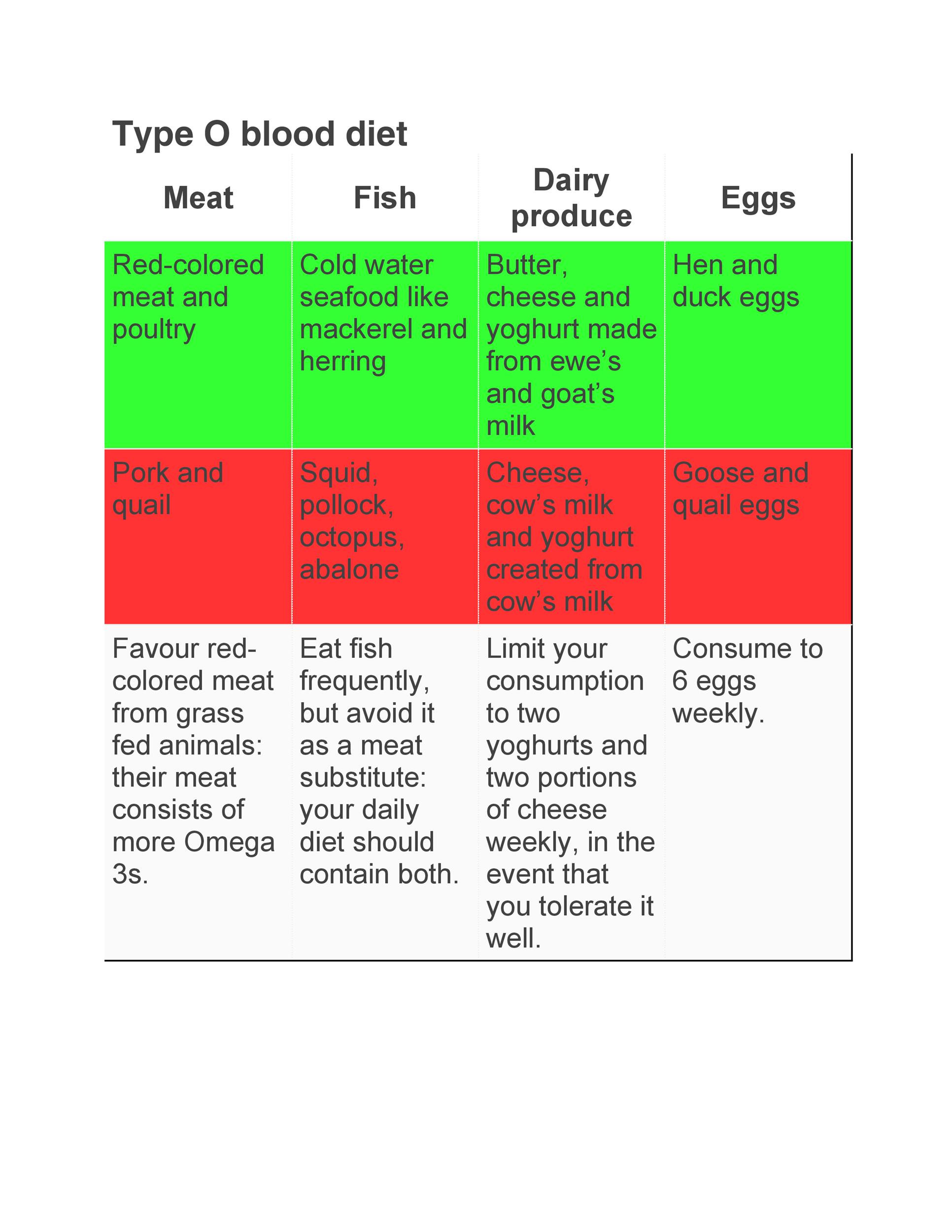
The blood group diet, developed by Dr. Peter D’Adamo, advocates for eating based on one’s blood type (A, B, AB, O) to enhance health and minimize disease risk. It suggests that evolutionary traits linked to each blood type impact digestion and immune function. For instance, type O favors a protein-rich diet, while type A benefits from a vegetarian regimen. However, critics highlight the lack of conclusive scientific proof for its effectiveness, underscoring the importance of broader personalized nutrition over relying solely on blood type criteria.

Top 10 Guilt-Free Snacks: Satisfy Your Cravings with Low-Calorie Options!

Low-calorie snacks have gained popularity among health enthusiasts aiming to enjoy treats without compromising their dietary goals. These snacks offer satisfaction and help curb hunger without adding excessive calories. Common choices include fruits like apple slices and berries, known for their vitamins and antioxidants, as well as vegetables such as carrot sticks and cucumber slices. Other favorites include lightly salted popcorn and yogurt, offering delightful flavors and textures that align with a healthy lifestyle. With the burgeoning availability of these snacks, maintaining a balanced diet with indulgent options has never been easier.

The BRAT Diet: A Gentle Approach to Easing Stomach Upsets

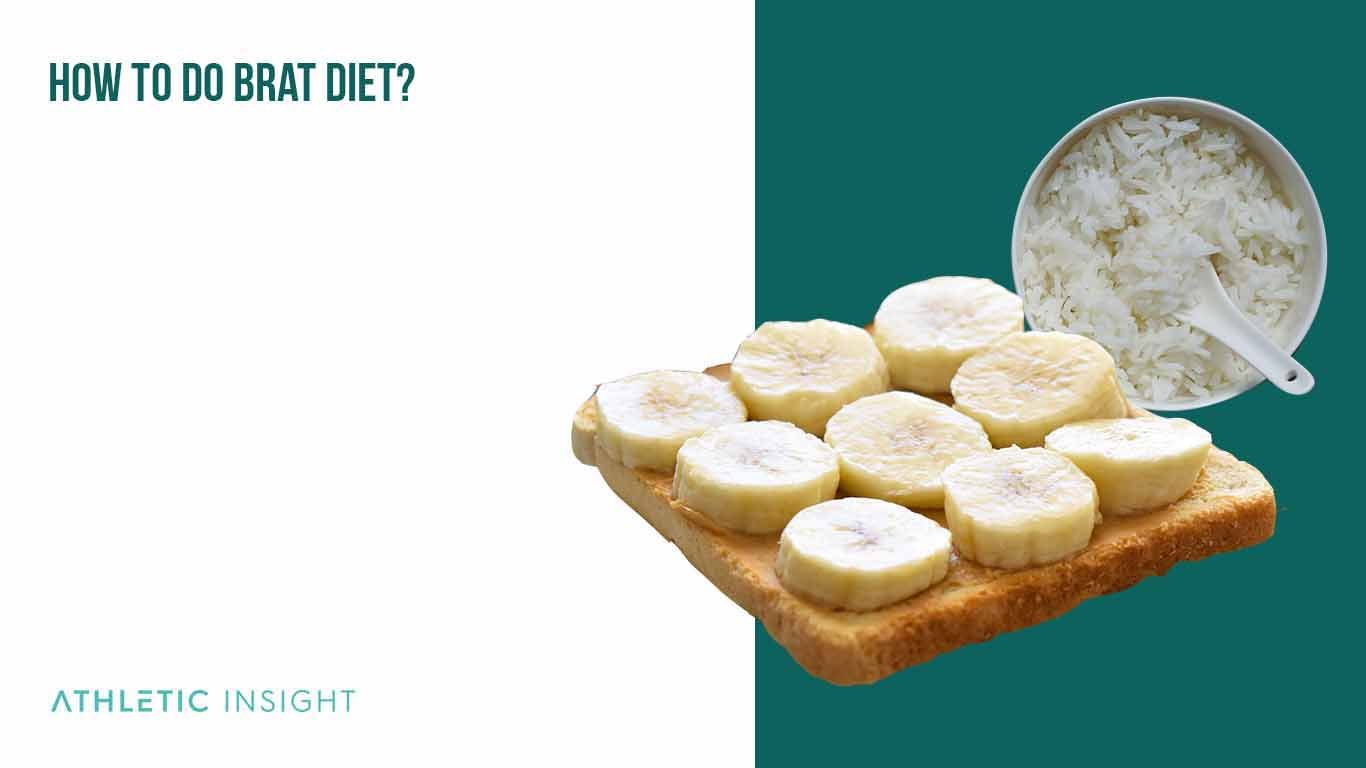
The BRAT diet, an acronym for Bananas, Rice, Applesauce, and Toast, is a bland-food regimen traditionally recommended for individuals experiencing gastrointestinal distress, such as diarrhea or gastroenteritis. The diet is designed to give the stomach a chance to rest and reduce the severity and duration of symptoms by incorporating foods that are gentle on the digestive system.

Can Coffee Make u Gain Weight

Coffee itself is a low-calorie beverage, unlikely to cause weight gain when consumed in moderation. The potential for weight gain largely depends on consumption habits; adding high-calorie ingredients like sugar, syrups, or cream can increase calories significantly. Specialty drinks can also contribute to caloric surplus. To manage weight, enjoy coffee in its natural form, limit high-calorie additives, and remain mindful of portion sizes.

Are Hot Dogs a Healthy Choice? Separating Myths from Facts

Hot dogs, a staple in many cultures, are often linked with processed meats high in sodium and saturated fats. Excessive consumption can pose health risks, including hypertension and chronic diseases. Healthier alternatives, like those made from turkey or plant-based options, offer lower-fat choices. Moderation and mindful pairing with vegetables or whole grains can reduce potential health risks.

The Great Wiener Debate: Are Hot Dogs a Healthy Choice?

The healthiness of wieners, or hot dogs, depends on their ingredients and consumption context. Traditional wieners, being processed meats, are high in saturated fats and sodium, raising concerns about heart disease and hypertension if overconsumed. They might also contain nitrates linked to health risks. Healthier versions exist, like those made from turkey or chicken, or plant-based options, offering better nutritional profiles. To include wieners in a balanced diet, choose lower-fat and lower-sodium options, eat in moderation, and pair with nutritious sides like vegetables and whole grains.

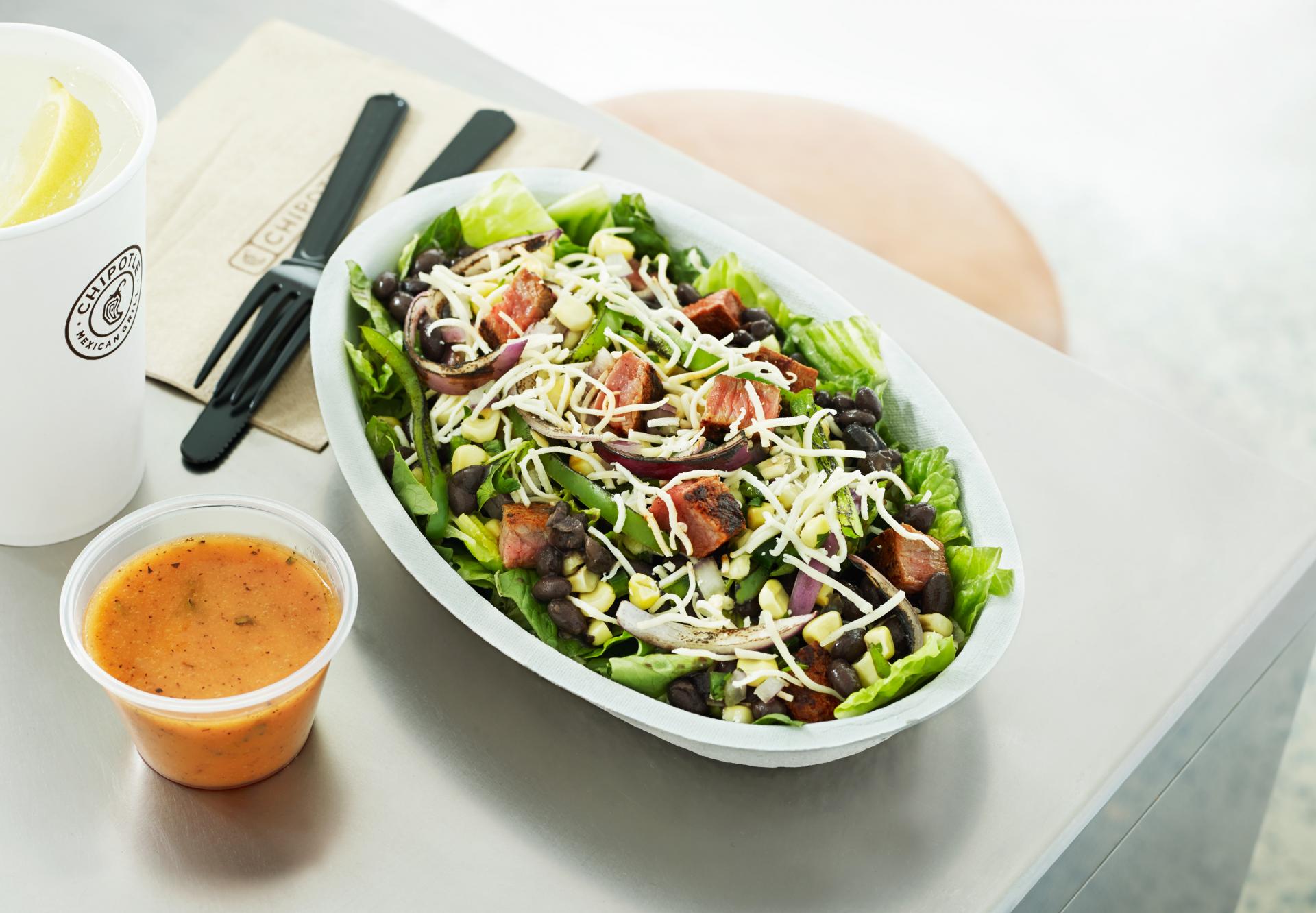
Your Chipotle Bowl: How to Accurately Calculate Its Calories

Calculating the calories in a Chipotle bowl involves understanding the individual ingredients and their respective nutritional information. A standard Chipotle bowl might include a base of cilantro-lime rice or brown rice, both of which contribute a significant portion of the calorie content. Additional components such as black or pinto beans, protein options like chicken, steak, or sofritas, and toppings such as cheese, sour cream, and guacamole each add their own caloric value. Vegetables, salsa, and lettuce typically add fewer calories but enrich the dish with essential vitamins and minerals.

Decoding the Bucket: Understanding Calorie Counts at KFC

KFC, known for its flavorful fried chicken, offers diverse menu options with varying calorie contents. For instance, an Original Recipe chicken breast has around 320 calories, while grilled chicken provides a lower-calorie choice. Sides like mashed potatoes and coleslaw can significantly add to meal calorie totals. KFC’s combo meals often include high-calorie items like sugary drinks and desserts. The chain provides nutritional information on its website to help customers make informed choices aligning with dietary needs.

How Many Calories Should You Eat to Build Muscle?

To effectively gain muscle, you should consume more calories than your body needs for maintenance, known as a caloric surplus. This typically involves an additional 250-500 calories daily, depending on factors like age, gender, weight, and activity level. Protein intake should be about 1.2-2.2 grams per kilogram of body weight to support muscle repair and growth, along with a balance of carbs and healthy fats for energy. Monitoring your progress and adjusting caloric intake as needed is important, and consulting a nutritionist can provide personalized guidance.

Maximize Muscle Growth: The Ultimate sign to Macro Nutrients

Macros, short for macronutrients, are vital for muscle gain. They include proteins, carbohydrates, and fats, each having a distinct function. Proteins, crucial for muscle repair and growth, should be consumed at 1.2 to 2.2 grams per kilogram of body weight. Carbs, the main energy source, should be 45-65% of daily intake. Fats support hormone production, making up 20-35% of calories. Balancing these macros boosts muscle-building efforts.

Top Foods Rich in Nitric Oxide You Should Try

Nitric oxide (NO) is crucial for numerous physiological processes, primarily serving as a vasodilator to aid blood vessel relaxation, improving cardiovascular health. While NO isn’t directly present in foods, certain foods boost its production. Leafy greens like spinach and arugula are rich in nitrates, converting to NO in the body, enhancing blood flow. Foods high in vitamin C and polyphenols protect NO from degradation, ensuring its longevity and effectiveness. Adding these to a balanced diet can naturally enhance NO levels, supporting overall health.

Select Wishlist

    Left Menu Icon
    Your Cart