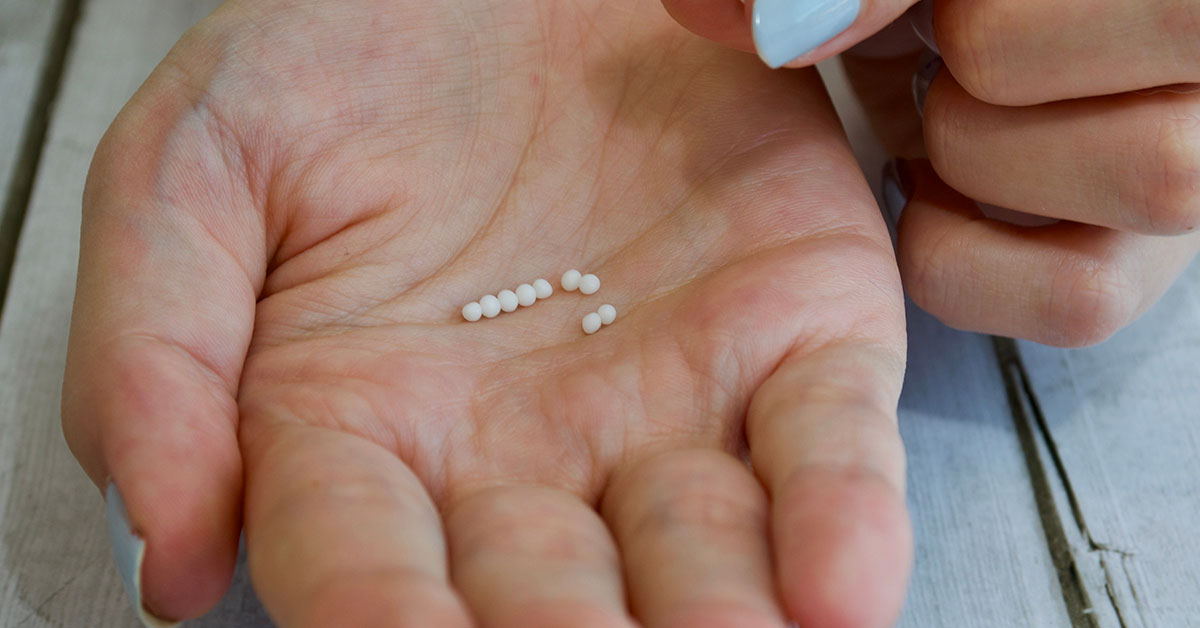
Understanding Lyrica: Is It an Opioid?

Lyrica, or pregabalin, is not an opioid. It is an anticonvulsant and neuropathic pain agent used for nerve pain, fibromyalgia, and certain seizures. Unlike opioids, it doesn’t target opioid receptors, reducing addiction risk. Misuse can still lead to side effects and dependence, though risks are lower than opioids.
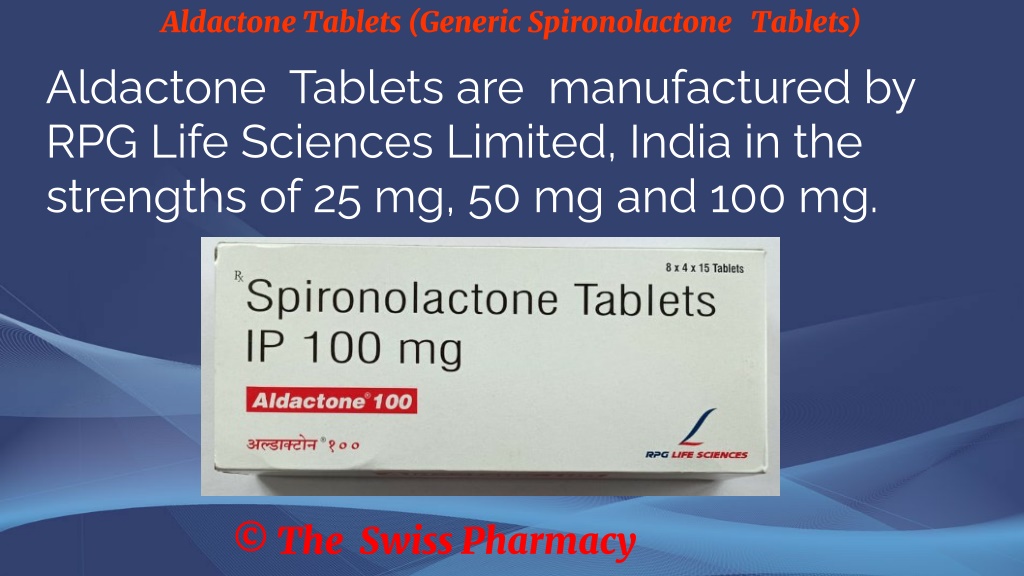
Understanding Aldactone: Is It Really a Steroid?

Aldactone, also known as spironolactone, is not classed as a traditional steroid. Although it shares some structural similarities with steroid hormones, its primary role is as a potassium-sparing diuretic. It blocks aldosterone, reducing fluid retention and easing heart pressure. It’s used for hypertension, heart failure, hyperaldosteronism, and its anti-androgen properties help treat PCOS and acne.

Halotestin: A Guide to Its Half-Life and Effects

Halotestin, or fluoxymesterone, is a powerful anabolic steroid used both in bodybuilding and certain medical applications. It is known for significantly enhancing strength and performance. Understanding its pharmacokinetic profile, especially its half-life of approximately 9.5 hours, is critical for safe and effective use. Due to its short half-life, frequent dosing is necessary to maintain stable blood levels and optimize performance benefits while minimizing risks. Misuse, especially in non-medical contexts like bodybuilding, can lead to severe side effects such as liver toxicity.

Understanding Halotestin: Uses, Benefits, and Risks

Understanding Halotestin Halotestin, known by its chemical name fluoxymesterone, is an anabolic androgenic steroid that is renowned for its strength-enhancing properties. 🏋️‍♂️ Originally developed for medical purposes such as treating male hypogonadism and breast cancer in women, Halotestin has found a niche in the bodybuilding community due to its significant impact on strength and muscleRead More

Select Wishlist

    Left Menu Icon
    Your Cart