

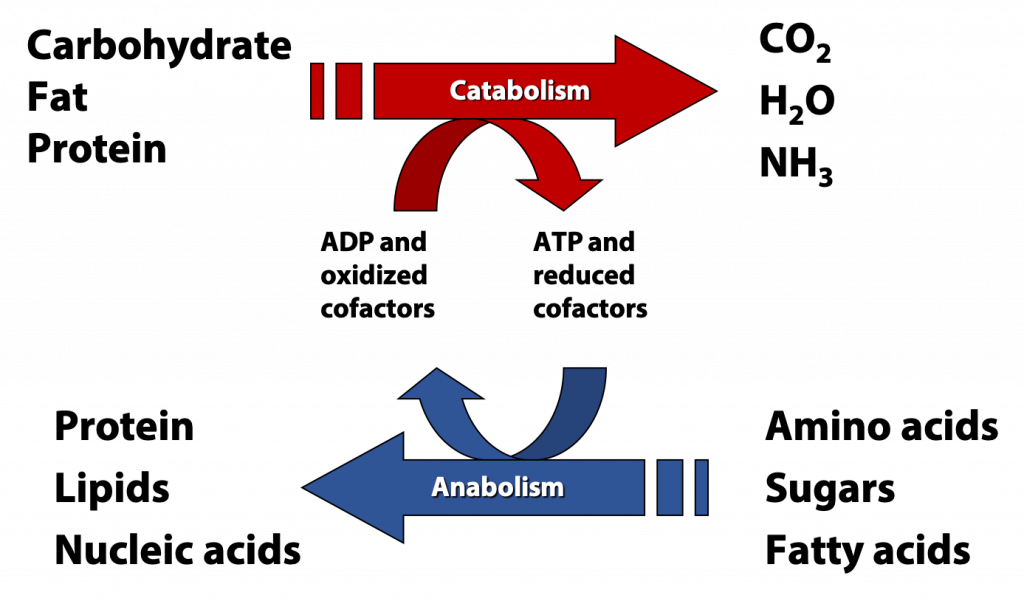
What is The Science Behind Fatty Acid Anabolism
Fatty acid anabolism, or lipogenesis, is a key metabolic process that converts acetyl-CoA into fatty acids, crucial for lipid synthesis. Occurring in the liver and adipose tissues, this pathway is vital for energy storage and cellular structure. It starts with acetyl-CoA carboxylation to malonyl-CoA, followed by chain elongation via fatty acid synthase, forming palmitate. Hormones like insulin regulate this process, especially with high carbohydrate intake, enhancing energy reserves and maintaining membrane integrity. Proper control of this pathway is critical for preventing metabolic disorders.





