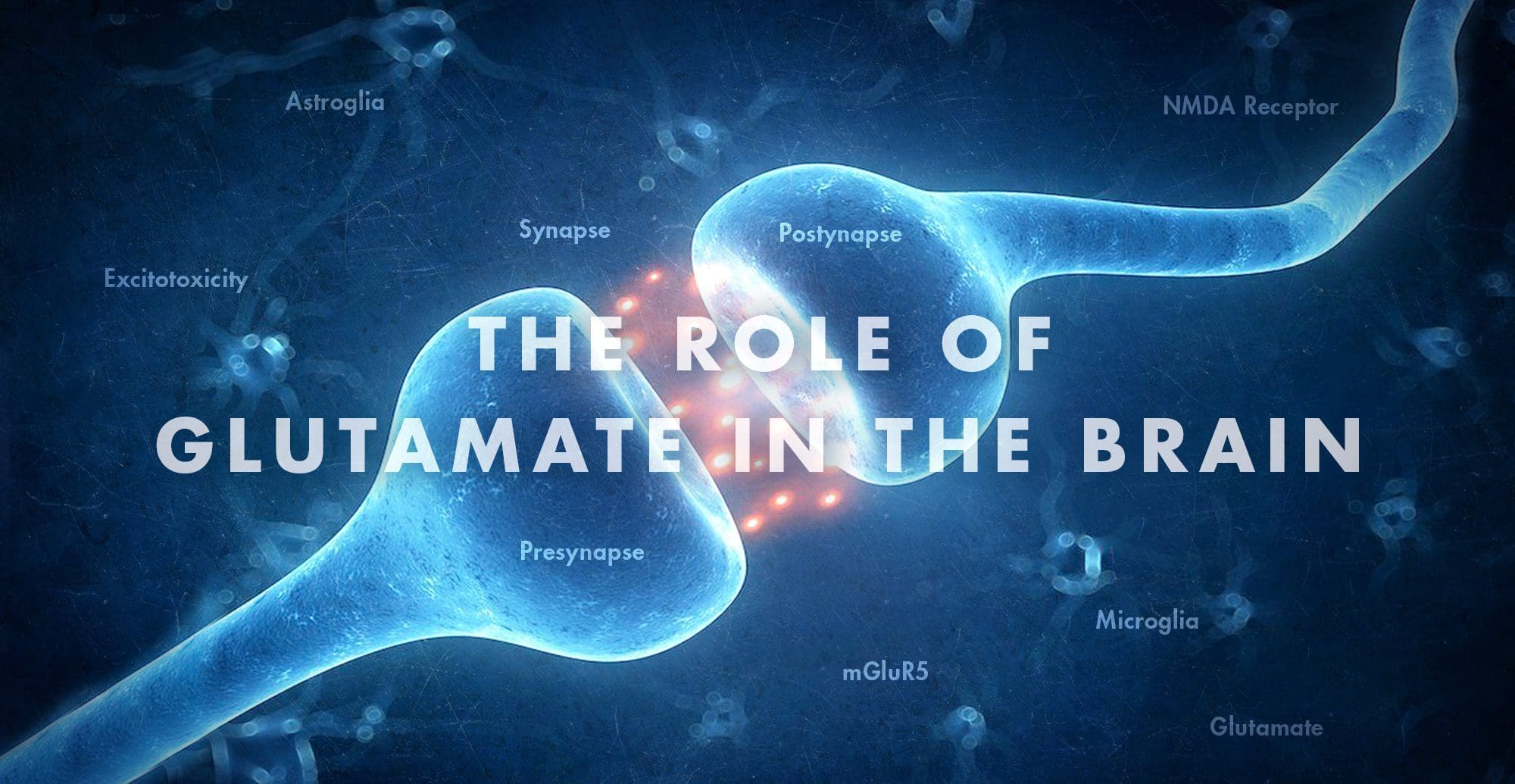
The Vital Role of Glutamate in Neurotransmission

Glutamate is the most abundant excitatory neurotransmitter in the mammalian central nervous system and plays a crucial role in normal brain function. It is involved in cognitive processes such as learning and memory, primarily through its action on the glutamatergic synapses. Glutamate exerts its effects by binding to specific glutamate receptors on neuronal…
Glutamate: How This Amino Acid Fuels Your Brain’s Performance

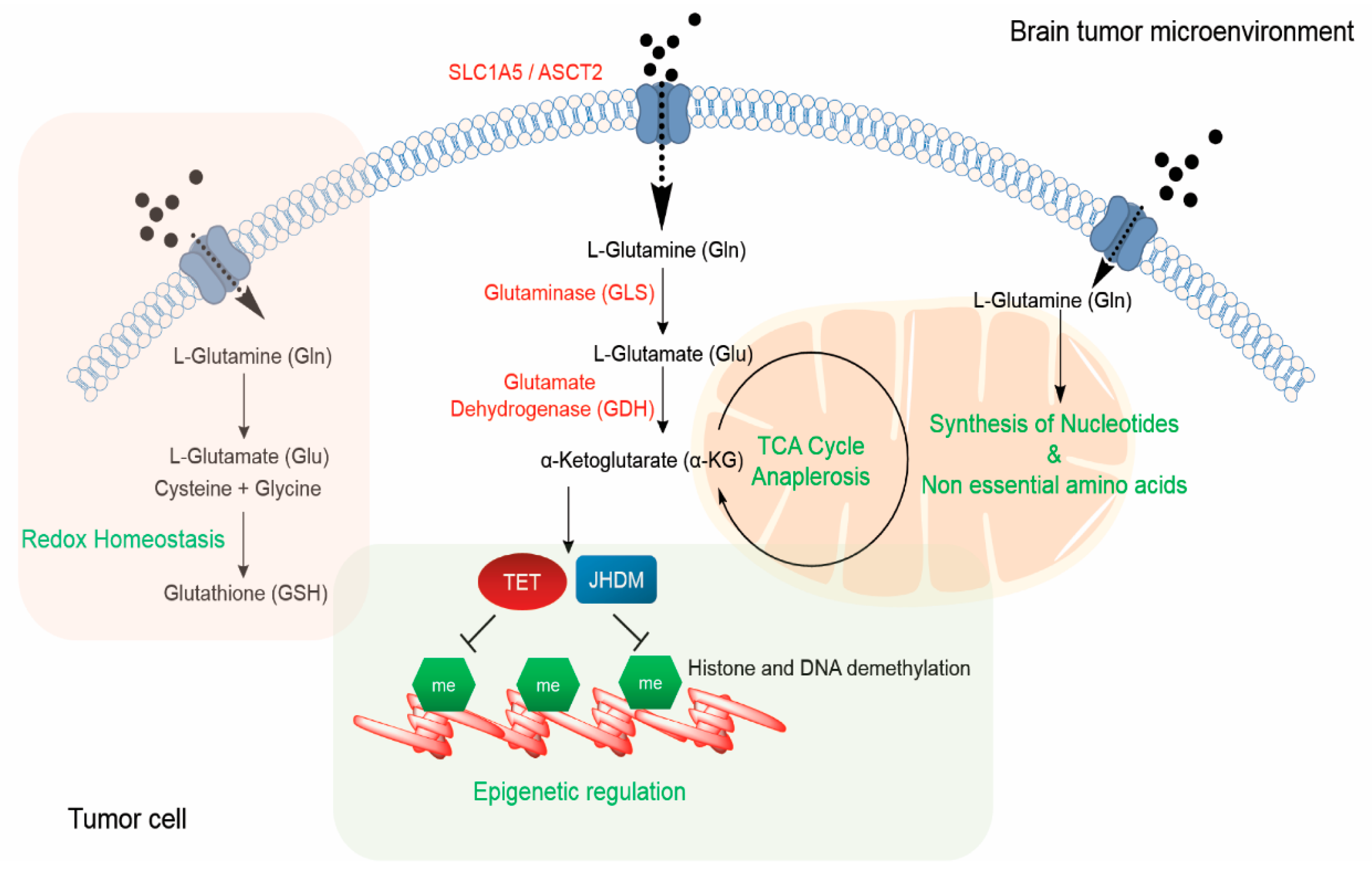
Glutamate is a crucial amino acid that significantly influences cellular metabolism and neurotransmission. While it is non-essential, meaning the body can synthesize it, glutamate is vital for various biological processes, acting as the primary excitatory neurotransmitter in the central nervous system. It facilitates synaptic plasticity, essential for learning and memory, and is involved in nitrogen cycle pathways within cells. However, imbalances can lead to neurotoxicity, linked to disorders like Alzheimer’s and epilepsy, emphasizing the need for proper regulation to maintain brain health.

Glutamate Dehydrogenase: Hero in Metabolic Regulation

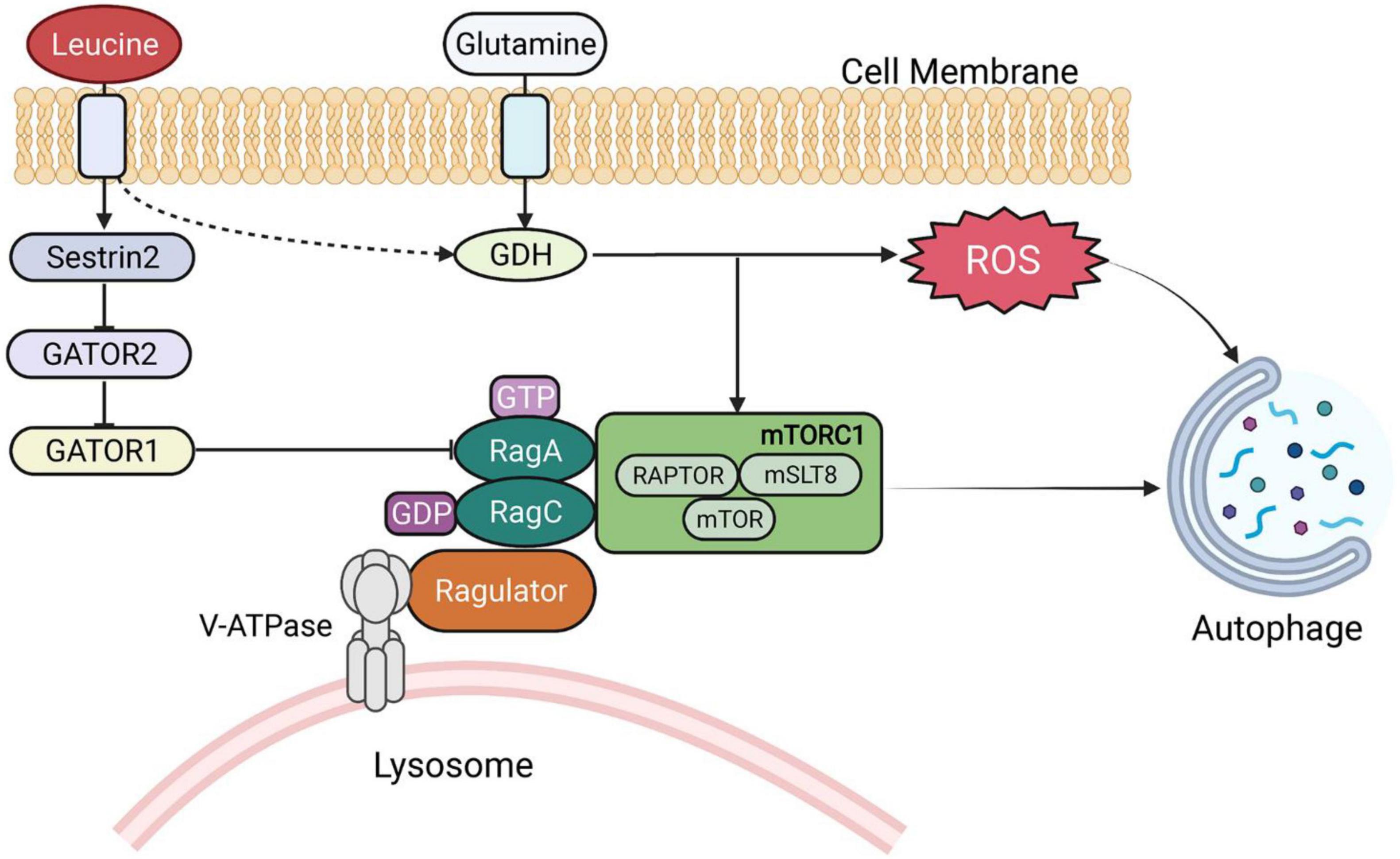
Glutamate dehydrogenase (GDH) is a crucial enzyme integral to cellular metabolism. It facilitates the conversion of glutamate to α-ketoglutarate and ammonia, impacting nitrogen and carbon metabolism. Located in the mitochondrial matrix, GDH’s activity is tightly regulated by metabolites, aligning with cellular energy needs. Its proper function is vital for amino acid catabolism and maintaining ammonia homeostasis. Medical research highlights GDH’s role in metabolic disorders, including implications in hyperinsulinism-hyperammonemia syndrome.

Select Wishlist

    Left Menu Icon
    Your Cart