Essential Facts About Dehydration You Need to Know
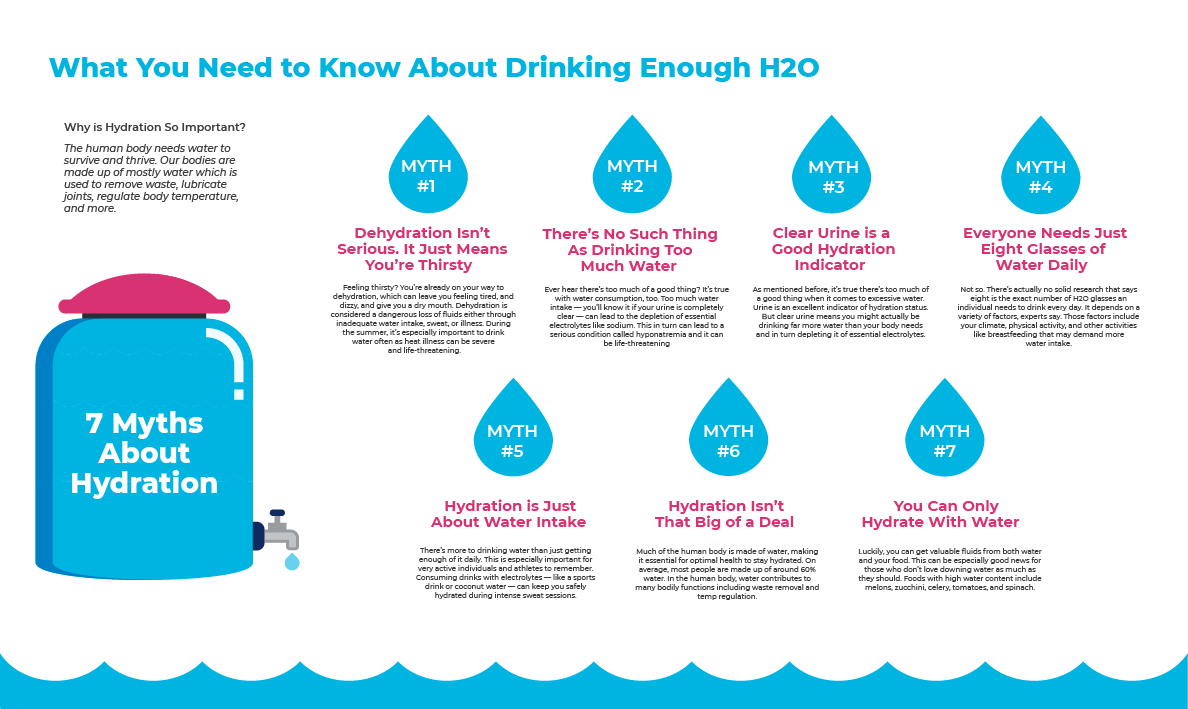
Dehydration occurs when the body loses more fluids than it takes in, impacting essential functions. It can result from various factors, including excessive sweating, fever, vomiting, diarrhea, or inadequate fluid intake. Symptoms range from mild—such as dry mouth and thirst—to severe, including dizziness, rapid heartbeat, and confusion. Chronic dehydration can lead to kidney stones, urinary tract infections, and impaired cognitive function. The elderly and young children are particularly vulnerable due to less effective thirst mechanisms and higher metabolic demands. Early recognition and replenishment with water or oral rehydration solutions can prevent complications.