
Lasix: Understanding Its Role in Managing Heart Failure

Lasix, generically known as furosemide, is a powerful diuretic medication used to treat fluid retention (edema) and swelling from conditions such as heart failure and kidney dysfunction. It works by inhibiting sodium reabsorption in the kidneys, increasing urine output to reduce fluid build-up. While effective for managing edema, it can cause side effects like electrolyte imbalance and dehydration, necessitating monitoring of blood pressure, renal function, and electrolytes to adjust dosages appropriately.
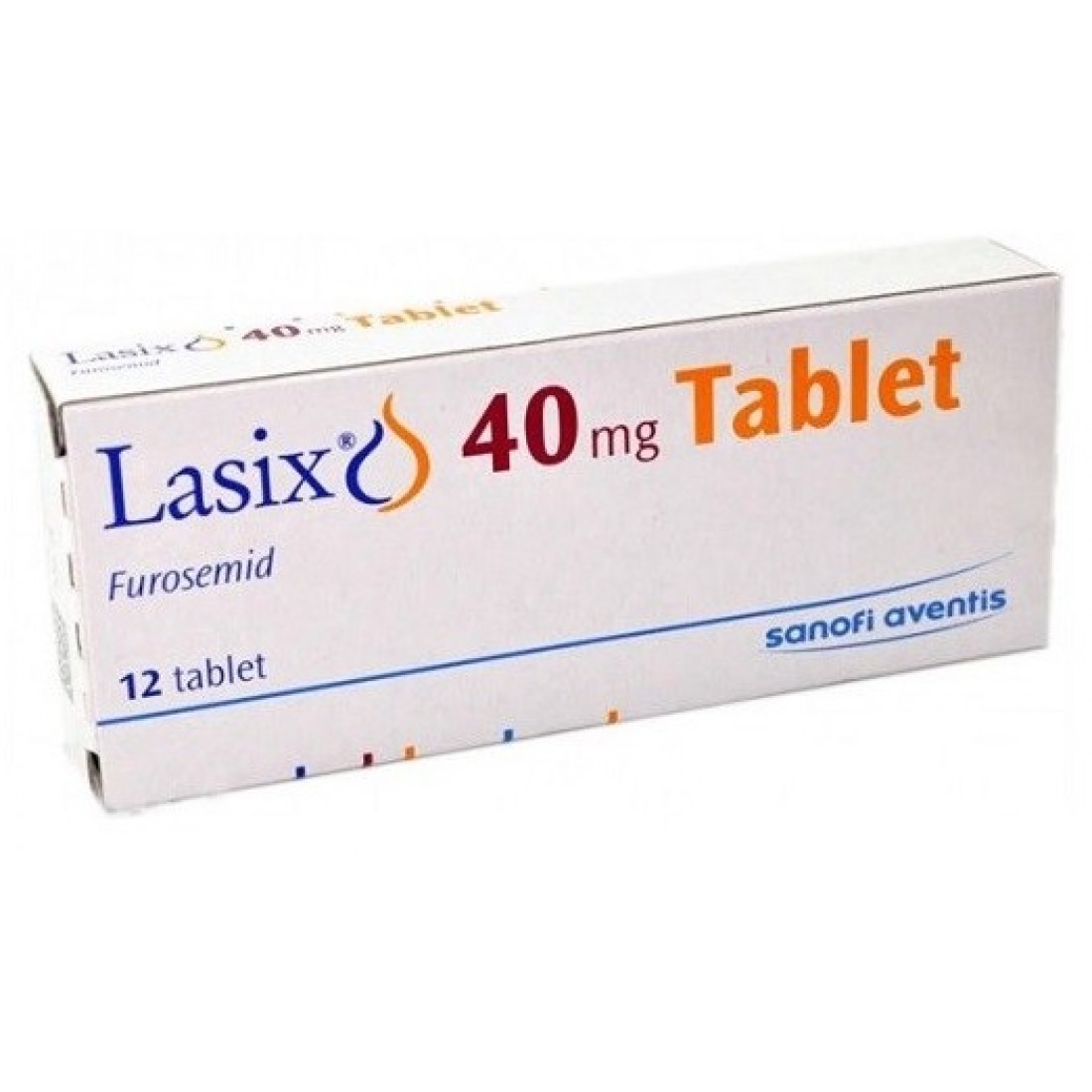
Lasix

Lasix, the brand name for furosemide, is a diuretic widely used to treat fluid retention and high blood pressure. As a loop diuretic, it inhibits sodium and chloride absorption in the kidney’s loop of Henle, increasing urine output and eliminating excess fluid. This can reduce swelling and alleviate symptoms associated with heart failure and kidney conditions. Despite its effectiveness, careful monitoring is required due to potential side effects like electrolyte imbalance and dehydration. It’s crucial for patients to use Lasix under healthcare supervision.

Select Wishlist

    Left Menu Icon
    Your Cart