Unlocking Strength: Mastering the Reverse Lat Pulldown

The reverse lat pulldown is a strength exercise targeting the latissimus dorsi muscles on the upper back. Using a lat pulldown machine, an underhand grip shifts emphasis to also engage biceps and mid-back muscles. Executed with proper form, it enhances muscle engagement and reduces strain risk, promoting upper body strength and improved posture.

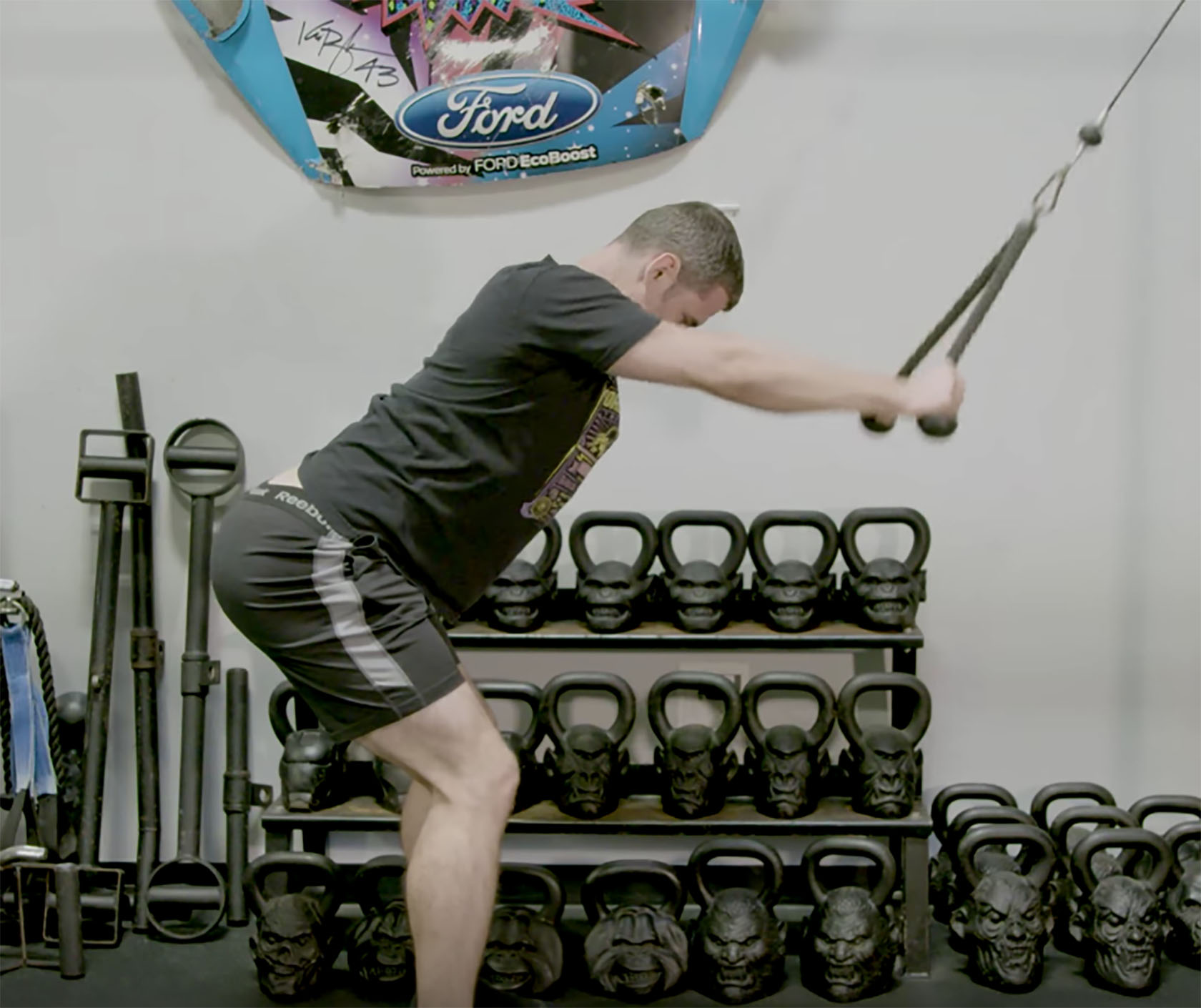
Lat Pulldown: The Benefits of the Straight Arm Technique

The lat pulldown straight arm exercise primarily targets the latissimus dorsi, enhancing back strength and appearance. Performed with straight arms using a cable machine, this isolation move emphasizes the lats while engaging the shoulders, arms, and core. It promotes improved posture and shoulder stability, serving as an excellent supplement for boosting performance in compound lifts.

Lat pulldown alternative

When seeking a lat pulldown alternative, exercises can efficiently target the latissimus dorsi and other muscles, adapting to equipment and environments. Pull-ups are a key alternative engaging the same muscles with a bar, involving biceps, forearms, and core for upper body strength. Assisted pull-ups can aid form. The bent-over row, using dumbbells or a barbell, targets lats, rhomboids, and trapezius, offering a compound movement for back strength. Proper posture is vital to maximize benefits and prevent lower back strain. Both provide adaptable alternatives to the lat pulldown.

Lat pulldown muscles worked

The lat pulldown is an effective strength training exercise targeting the upper body, focusing on the latissimus dorsi muscles. These muscles are responsible for shoulder adduction, extension, and internal rotation. During a lat pulldown, the lats contract to pull the bar toward the chest, similar to a pull-up motion, enhancing lat size and strength, and contributing to a broader back appearance. Secondary muscles, including biceps brachii, rhomboids, trapezius, posterior deltoids, and teres major, assist in elbow flexion and shoulder blade stabilization, promoting strength and joint stability.

Lat pulldown wide grip

The Lat Pulldown Wide Grip is an effective strength exercise focusing on the upper back, mainly the latissimus dorsi. Using a wide grip enhances the stretch and contraction in the lats, aiding in a broader back and better definition. It also works on biceps, shoulders, and trapezius, delivering a full upper body workout. Proper form is key, with the chest lifted and the pull initiated by back muscles to maximize results and avoid injury. This exercise improves posture and is excellent for enhancing performance in other movements like pull-ups, due to its distinctive muscle activation angle.

Lat Pulldown

The Lat Pulldown Underhand is an exercise that emphasizes the latissimus dorsi, biceps, and forearms, aiding in upper back and arm development. Using an underhand grip increases bicep activation. Proper form is crucial: adjust the machine, grip shoulder-width, keep elbows in, pull toward the chest, and control the movement.

Lat pulldown single arm

The single-arm lat pulldown exercise enhances upper back strength by isolating the latissimus dorsi, benefiting symmetry and correcting imbalances. It engages stabilizer muscles in the shoulder and core, making it ideal for bodybuilders and athletes. By focusing on each side separately, it aids in better muscle engagement and core stabilization. Proper form is crucial for effectiveness, and incorporating this exercise can improve upper body strength in a comprehensive workout regime.

Lat pulldown straight arm

The Lat pulldown straight arm is an effective exercise that focuses on the latissimus dorsi muscles in the upper back. It is a variation that keeps the arms straight, enhancing back width and upper body strength by isolating the lats, minimizing bicep involvement. This exercise improves posture by promoting scapular stability. To perform it, stand or sit with a slight knee bend, grip a bar attached to a high pulley at shoulder-width, engage your core, and pull the bar down towards your thighs with your arms straight but not locked. Adjust the weight for different fitness levels.

Select Wishlist

    Left Menu Icon
    Your Cart