Liothyronine vs. Levothyroxine: The Benefits for Bodybuilding

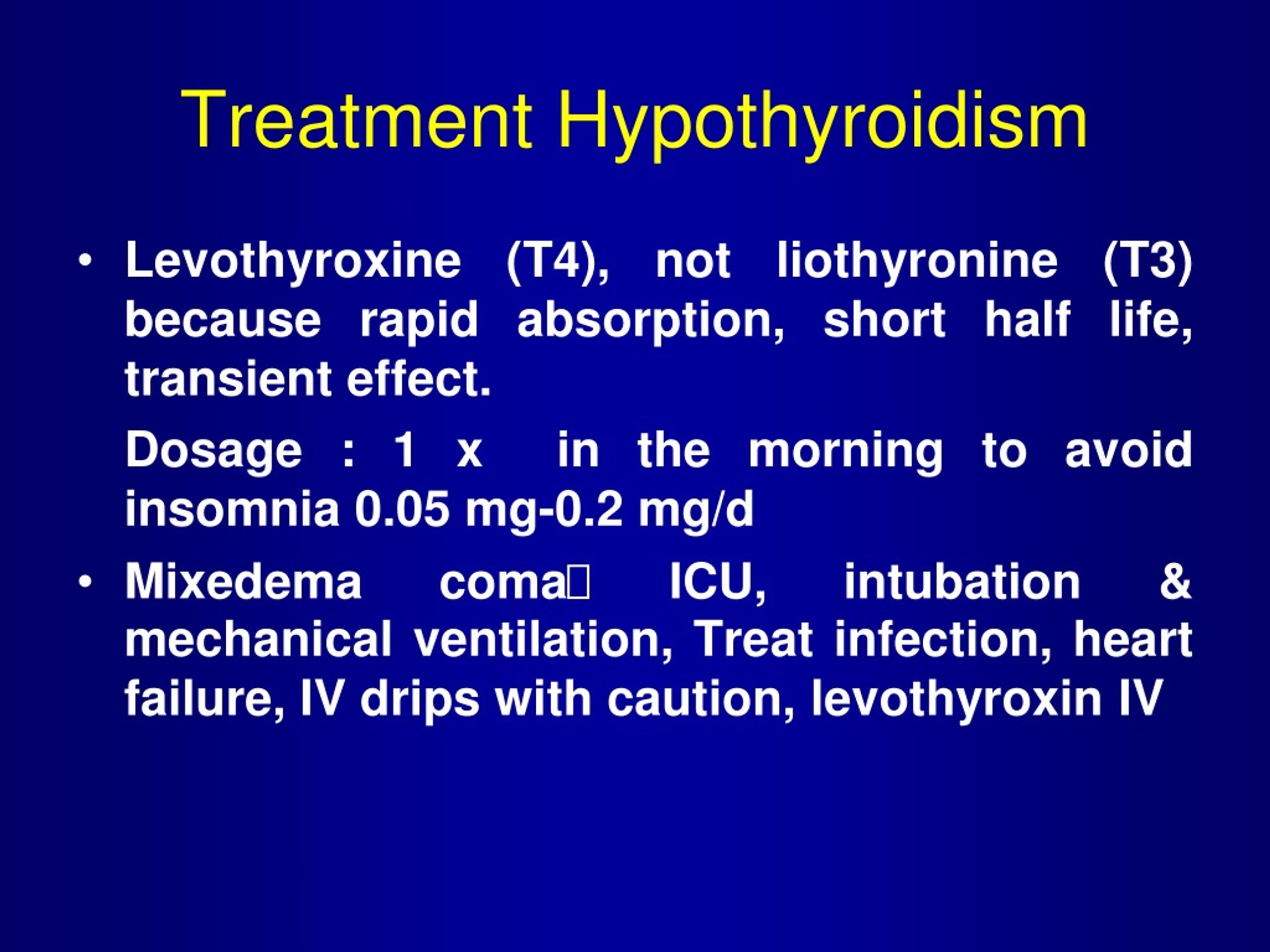
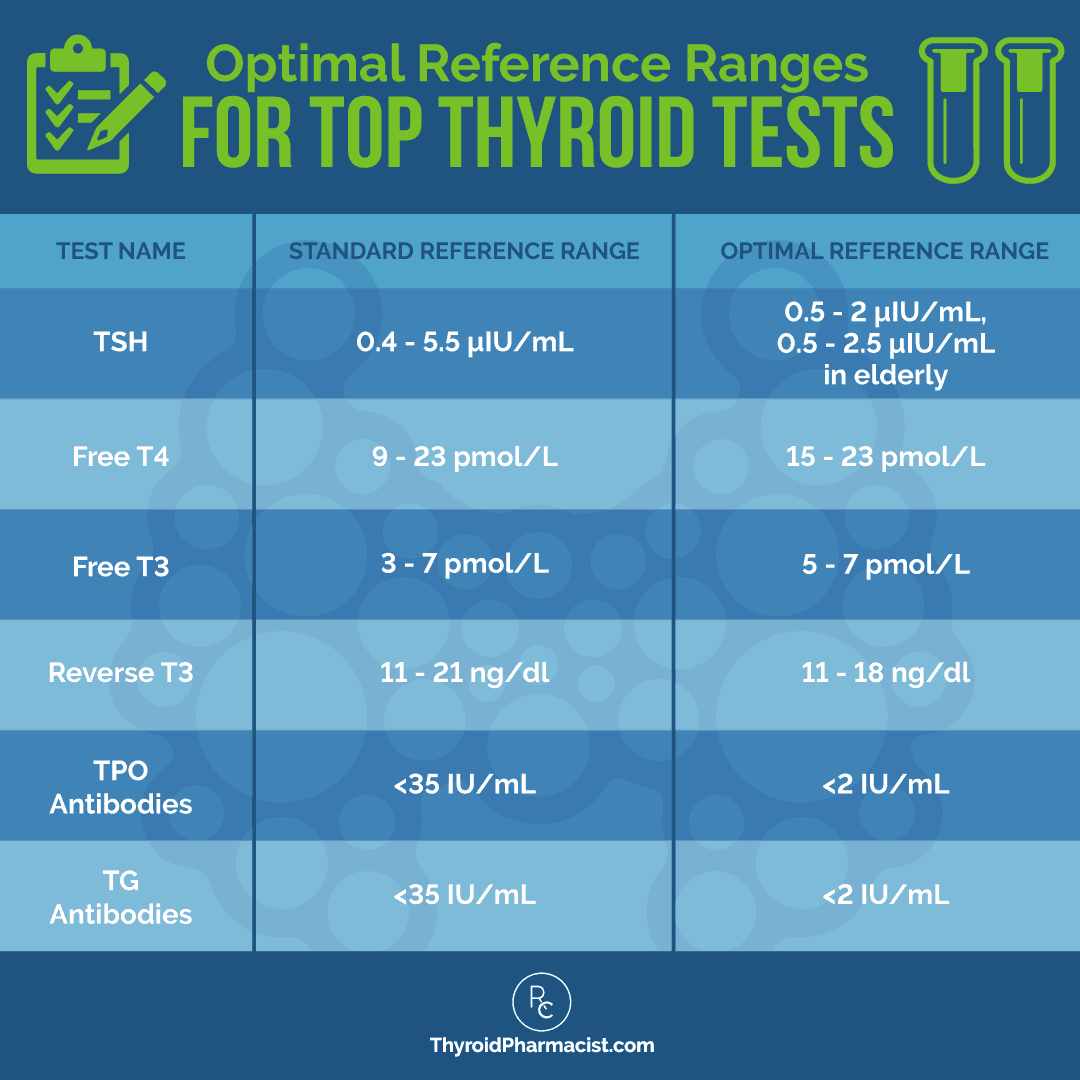
Liothyronine and levothyroxine are key medications for managing hypothyroidism, with distinct differences in use and action. Levothyroxine, the synthetic form of thyroxine (T4), is favored for its stability and ease of once-daily dosing. Liothyronine, a synthetic triiodothyronine (T3), offers a rapid response but necessitates frequent dosing due to its shorter half-life. The choice between them depends on individual needs and medical conditions, with levothyroxine often preferred for its predictability. However, some patients may benefit from a combination of both, requiring close monitoring to achieve optimal thyroid hormone levels.

Liothyronine: A Thyroid Hormone Replacement

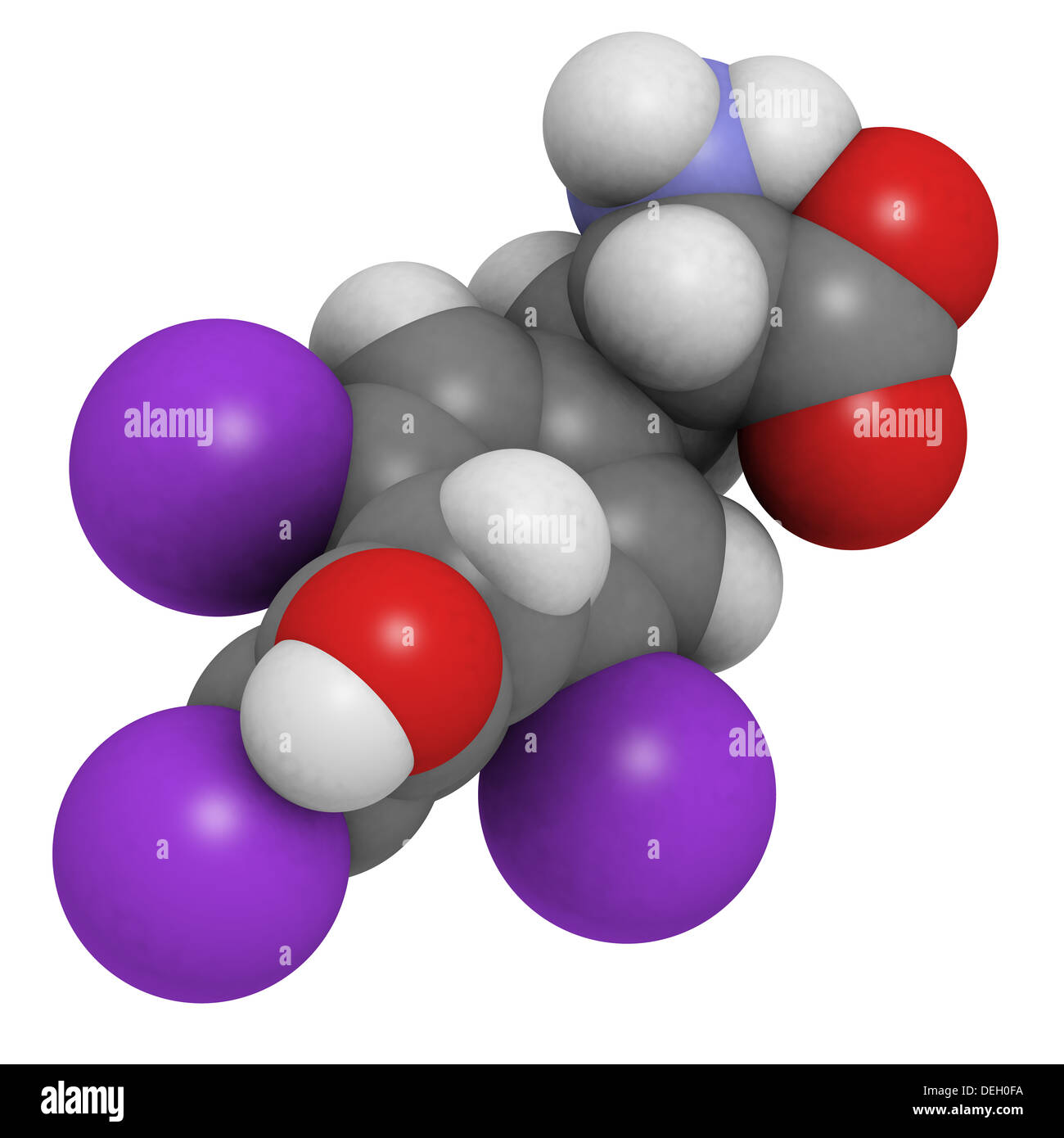
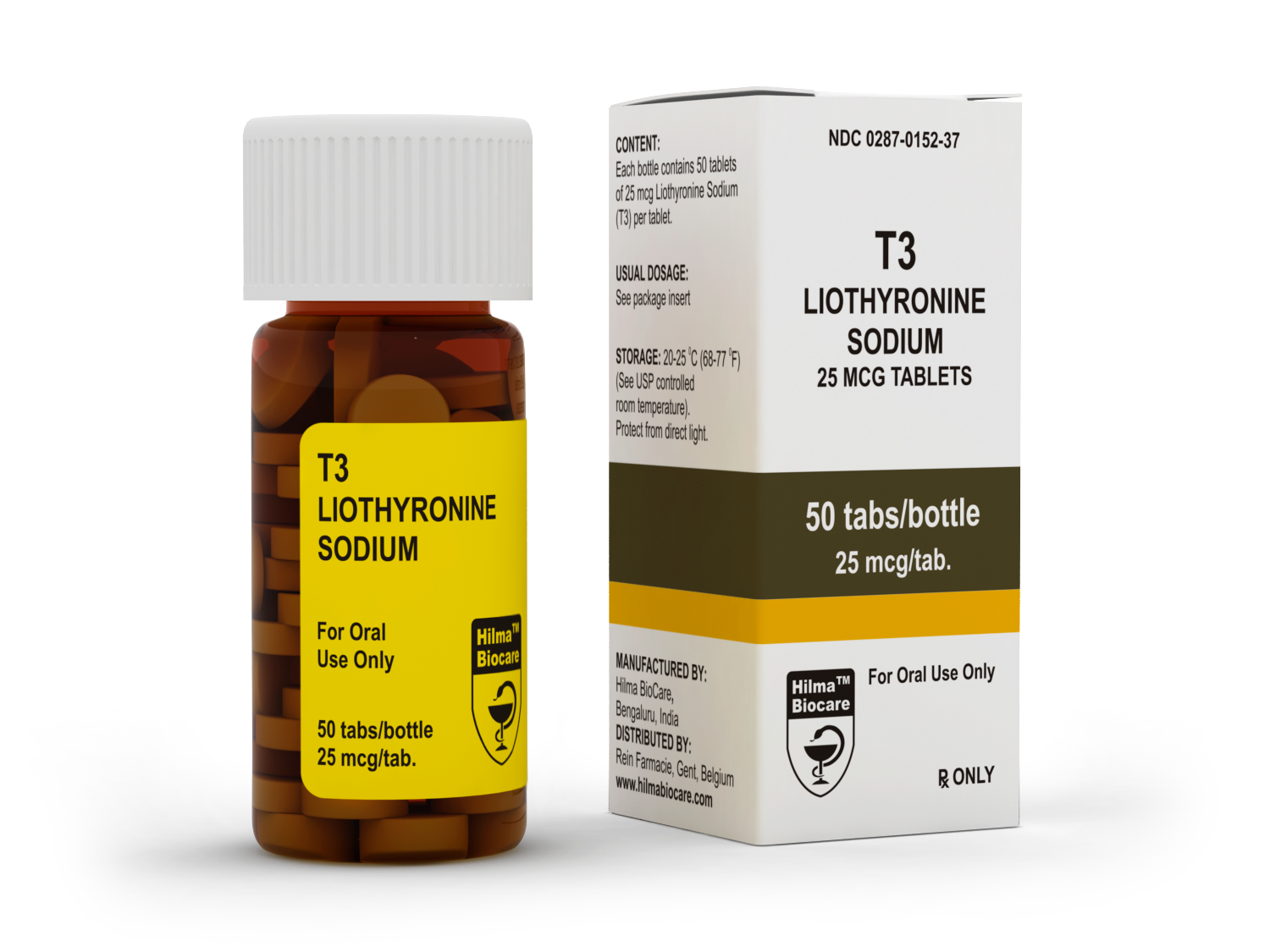
Liothyronine is a synthetic thyroid hormone crucial for metabolism regulation. It’s prescribed for hypothyroidism, an underactive thyroid condition. By supplementing hormone levels, it restores metabolic functions, alleviating fatigue and weight gain. Dosages are based on thyroid tests, and careful management is vital to avoid hyperthyroidism symptoms.

Liothyronine: Risks, Benefits, and Patient Experiences

Liothyronine is a synthetic form of the thyroid hormone triiodothyronine (T3), mainly used to treat hypothyroidism and myxedema coma by supplementing low thyroid hormones in the body. This aids in regulating metabolism and mood. While offering benefits like better energy and cognitive function, it may have side effects, so careful dosage and monitoring are vital.

The Impact of Liothyronine on Weight Management and Metabolism

Liothyronine is a synthetic form of the thyroid hormone triiodothyronine (T3) often used to treat hypothyroidism. This medication works by providing a direct replacement for the deficient thyroid hormone, ensuring the restoration of normal metabolic rates and energy levels🏋️‍♂️. It is frequently utilized by bodybuilders and fitness enthusiasts to enhance metabolic rates, support weight loss,Read More

Liothyronine Administration: Dosage Guidelines and Best Practices

Understanding Liothyronine Liothyronine is a synthetic form of the thyroid hormone triiodothyronine (T3), which plays a vital role in the regulation of metabolism within the body. Originally developed as a treatment for hypothyroidism, a condition where the thyroid gland doesn’t produce enough hormones, liothyronine is also utilized in situations where other thyroid medications are ineffective.Read More

Exploring the Mechanisms of Action of Liothyronine in Hypothyroidism Treatment

Liothyronine is a medication commonly used in the treatment of thyroid disorders, particularly hypothyroidism. It is a synthetic form of the thyroid hormone triiodothyronine (T3), which plays a crucial role in regulating the body’s metabolism. Unlike levothyroxine, which is another thyroid medication that mimics the effects of thyroxine (T4), liothyronine provides a more immediate sourceRead More

Liothyronine vs. Levothyroxine: Which is Right for Your Thyroid Condition?

Liothyronine is a synthetic form of the natural thyroid hormone triiodothyronine (T3), which plays a crucial role in regulating various metabolic processes in the human body. It is primarily utilized for the treatment of hypothyroidism, a condition where the thyroid gland fails to produce enough hormones. In this comprehensive article, we will explore the uses,Read More

The Clinical Applications of Liothyronine: A Comprehensive Review

Liothyronine, commonly known as T3, is a synthetic form of the thyroid hormone that plays a crucial role in regulating various metabolic processes within the body. It is primarily used in the treatment of hypothyroidism, a condition characterized by insufficient production of thyroid hormones. By boosting the levels of these hormones, liothyronine can help restoreRead More

Select Wishlist

Cart Menu Button Image2Left Menu Icon
Your Cart