Unlocking the Power of Lipids: Essential Facts You Need to Know

Lipids are vital molecules in biological systems, primarily composed of hydrocarbons, making them hydrophobic. They form essential cell membrane structures with phospholipids creating lipid bilayers, crucial for sustaining protein functions. Lipids also serve as significant energy storage sources, as triglycerides in adipose tissues. Additionally, they participate in signaling pathways, with steroid hormones derived from cholesterol regulating physiological processes. Beyond energy and signaling roles, lipids provide insulation and organ protection, highlighting their critical role in maintaining life’s functions.
Phospholipids: The Unsung Heroes of Cell Membranes

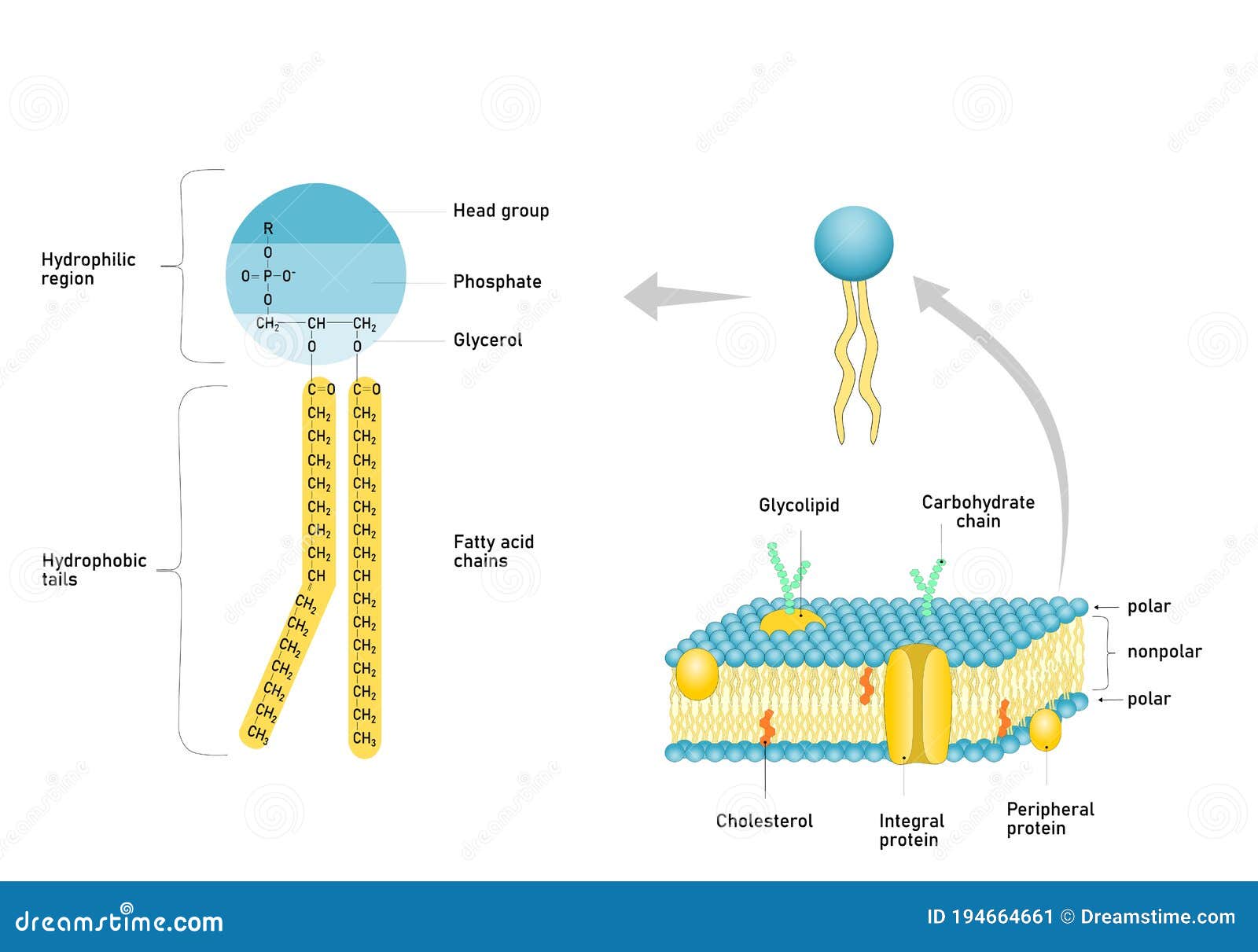
Phospholipids are essential lipid molecules crucial for the structural integrity of cell membranes. Each consists of a glycerol backbone linked to two fatty acid tails and a phosphate group, giving rise to hydrophilic “heads” and hydrophobic “tails.” This structure enables the formation of bilayers, contributing to membrane fluidity, cell signaling, and selective permeability, vital for maintaining homeostasis.

Arachidonic Acid: Health Benefits Explained

Arachidonic Acid (AA) is a polyunsaturated omega-6 fatty acid, playing a crucial role in the human body’s physiological and biochemical functions. Found in various types of food, this essential fatty acid contributes to cellular signaling and is a precursor in the biosynthesis of prostaglandins, thromboxanes, and leukotrienes, which belong to the group of molecules knownRead More

Select Wishlist

    Left Menu Icon
    Your Cart