Pounds vs. Kilograms: A Weighty Debate

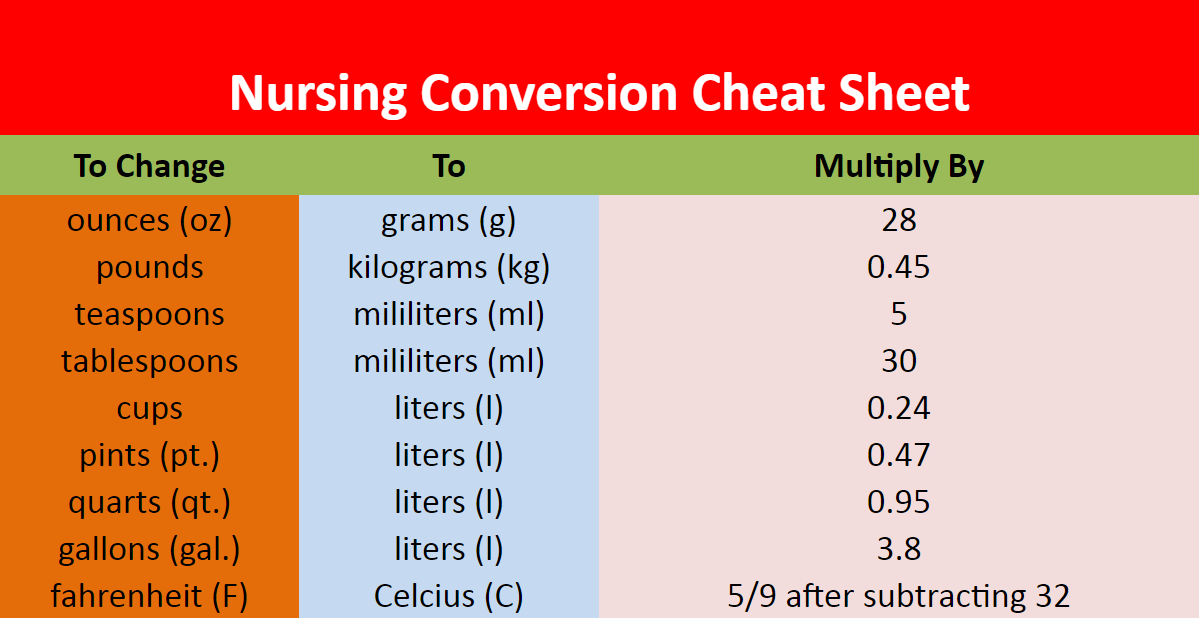
Weight measurement is crucial in daily life for activities like cooking and research. Pounds, originating from the Roman libra, are mainly used in the US, while kilograms, part of the SI units, are used globally. They’re essential in science and industry. Converting between the two involves multiplying kilograms by 2.20462 or dividing pounds by the same factor.

Simplify Your Calculations: The Ultimate BSA Calculator Guide

A calculator for Body Surface Area (BSA) is essential in medical settings for estimating a human body’s surface area, crucial for clinical assessments. It’s often used for determining correct medication dosages, especially in oncology, and assessing metabolic rates and cardiac indexes. BSA calculators use formulas like DuBois, Mosteller, or Haycock, involving height and weight. Accessible via online calculators or apps, they provide accurate BSA estimations, supporting healthcare professionals in offering personalized care.

Decoding the BMI Chart: What Your Number Really Means for Your Health

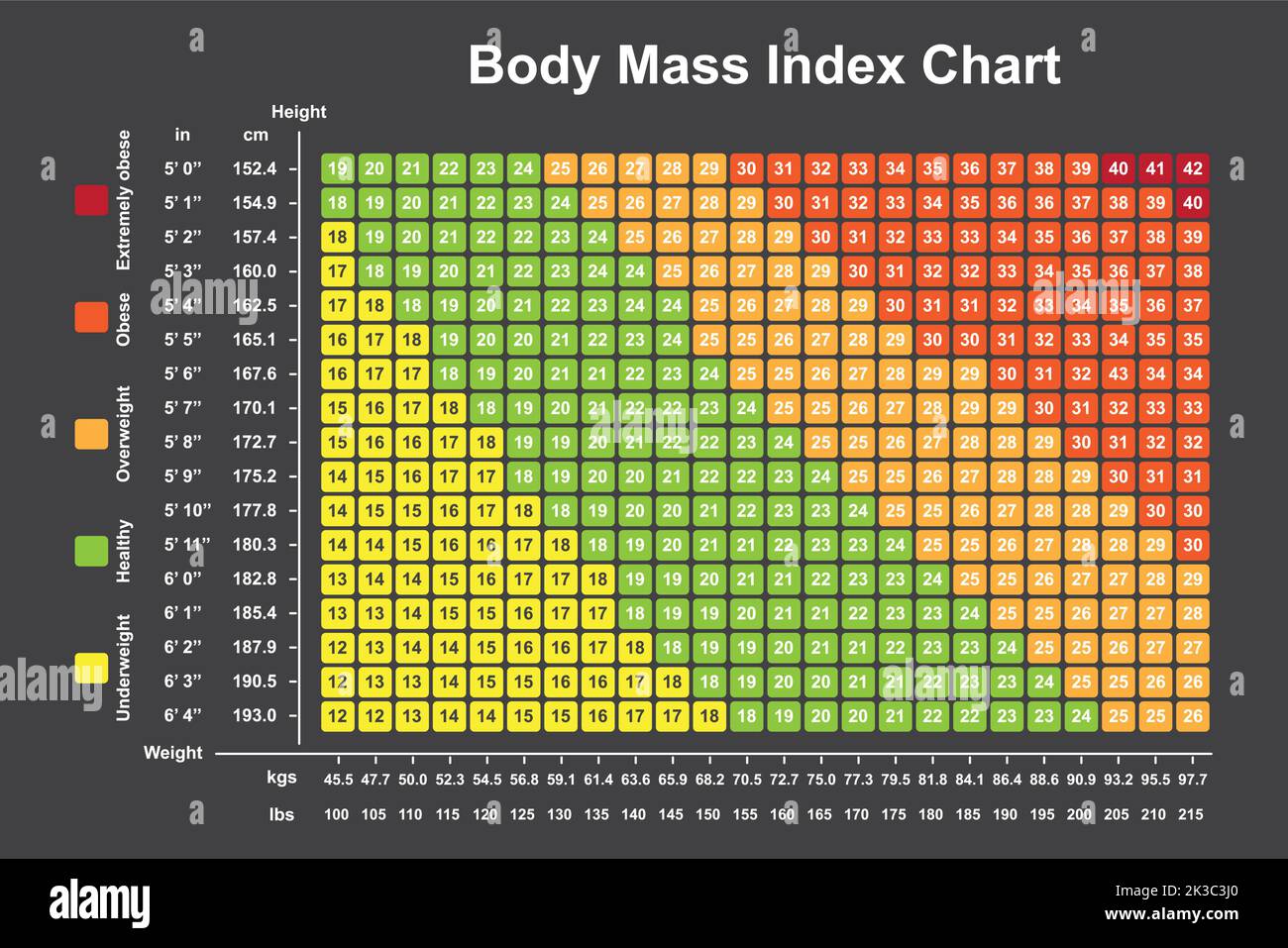
The Body Mass Index (BMI) chart is a visual tool used to assess healthy weight based on height and weight. It categorizes individuals as underweight, normal weight, overweight, or obese using a calculation of weight in kilograms divided by height in meters squared. Although widely used, BMI has limitations: it doesn’t account for muscle mass, bone density, or body composition variations. Athletes may be mislabeled as overweight despite low body fat. Thus, while useful for initial screening, BMI should be complemented with other health assessments for accuracy.

From Inches to Millimeters: Simplifying Your Conversions

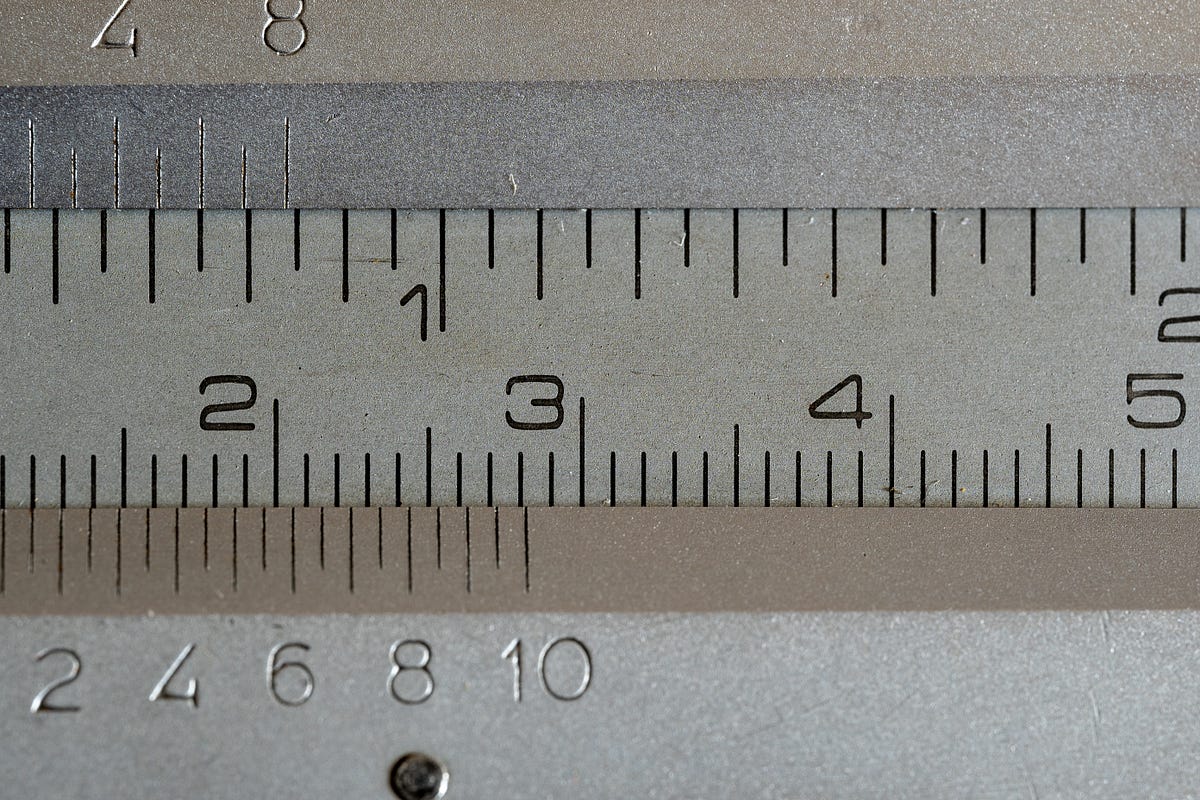
Converting inches to millimeters involves understanding the relationship between these two units of measurement. An inch is used in the imperial system, whereas a millimeter is part of the metric system. One inch is equivalent to 25.4 millimeters, a crucial conversion factor for precise measurements in engineering, manufacturing, and scientific applications.

Milligrams to CC: A Simple Guide for Dosage Conversion

In the context of measurements, converting milligrams (mg) to cubic centimeters (cc) requires understanding the relationship between mass and volume, reliant on the substance’s density. A milligram is a unit of mass, while a cubic centimeter, or milliliter, is a unit of volume. Accurate conversion demands knowledge of the material’s density, influencing practical applications and scientific accuracy.

HOW MUCH EQ TO RUN WITH TEST

Evaluating the appropriate dosage for Equine (EQ) or Equipoise, chemically known as Boldenone Undecylenate, when paired with a testosterone cycle, commonly known as “running EQ with test,” requires a deep understanding of both the anabolic and androgenic properties of these substances. The combination is often used in bodybuilding to enhance muscle mass while maintaining aRead More

Select Wishlist

    Left Menu Icon
    Your Cart