Ethical Considerations in the Use of Melanotan.

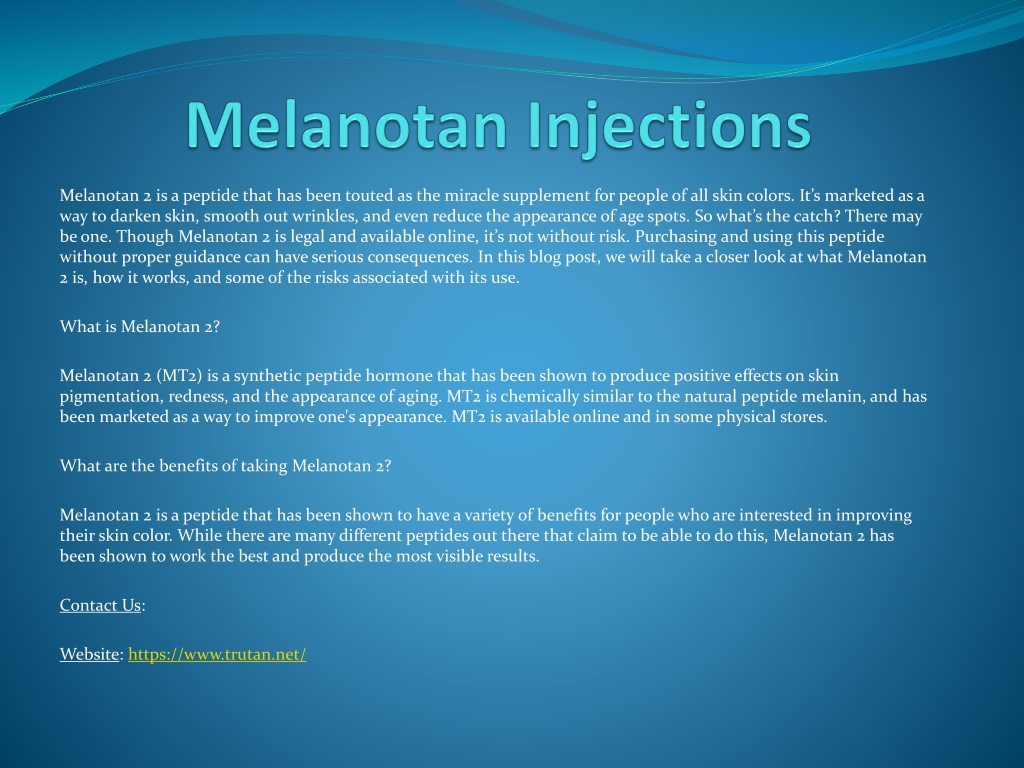
Melanotan is a synthetic peptide that mirrors the body’s alpha-melanocyte-stimulating hormone (α-MSH), promoting pigment production for tanning. Initially developed to prevent skin cancer through a sunless tan, it has become popular for cosmetic use. Available as Melanotan I and II, it’s administered via injection. Despite benefits like a tan without sun, it raises safety concerns due to side effects such as nausea and increased moles, and lacks approval in many countries, sparking debates over its regulation.
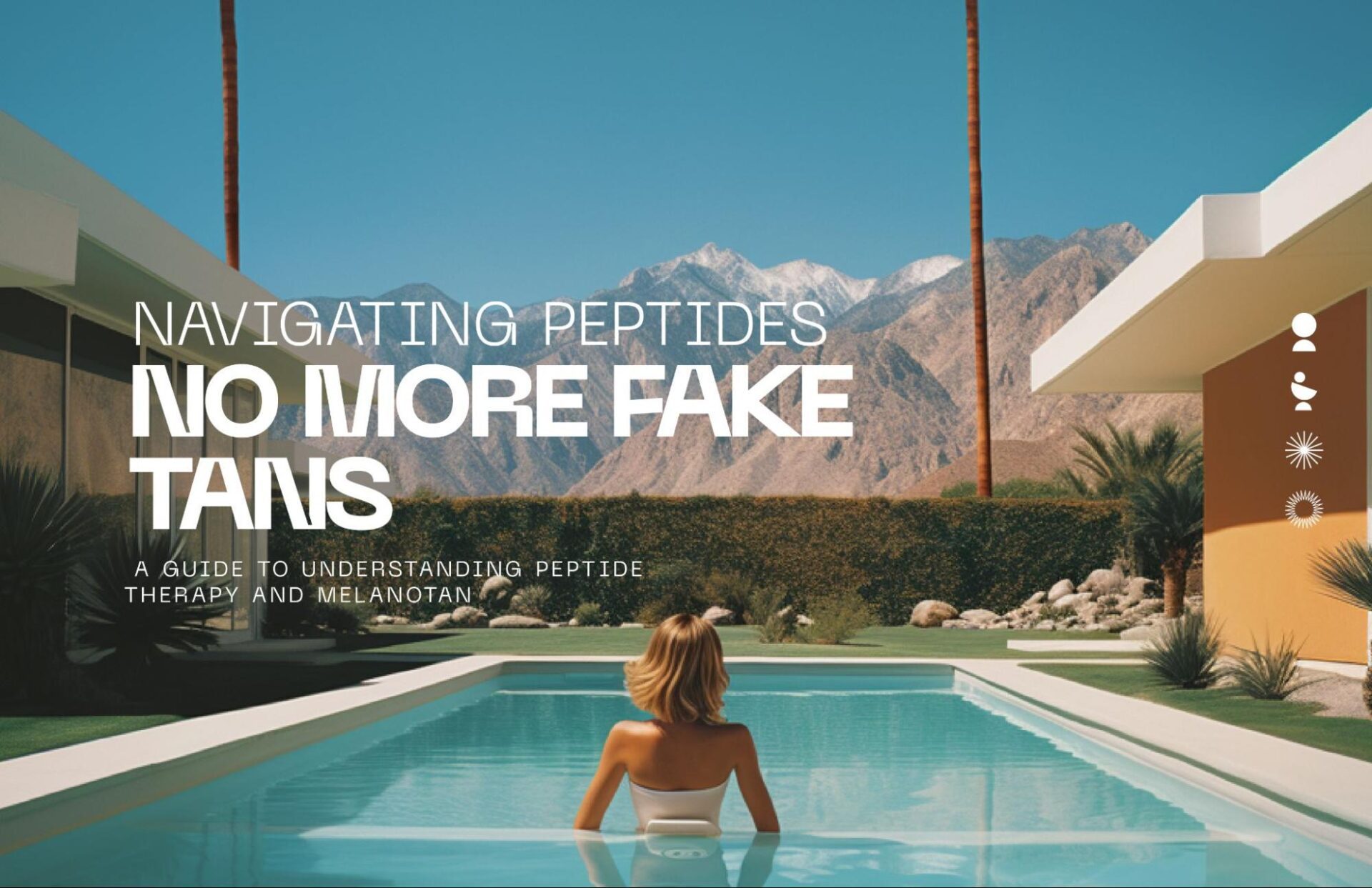
The Dark Side of Tanning: Health Implications of Melanotan Use

Melanotan, often called the “Barbie Drug,” is a synthetic peptide gaining attention in fitness circles for its tanning effects by boosting melanin. It mimics melanocyte-stimulating hormone, binding to receptors for darker skin without UV exposure. Besides tanning, it’s linked to appetite suppression and increased libido. Yet, its risks include nausea and hyperpigmentation, coupled with legal controversies. Users are urged to consult healthcare providers, recognizing its unregulated status and potential side effects. Caution is advised due to limited long-term safety studies.

Understanding Melanotan: An In-Depth Guide

Melanotan is a synthetic peptide that mimics the alpha-melanocyte-stimulating hormone, aimed at promoting skin tanning. This compound, available as Melanotan I and Melanotan II, was initially designed to encourage melanin production for potential skin cancer prevention. While Melanotan II also suppresses appetite and boosts libido, it has notable side effects such as nausea. Despite its appeal for achieving tans without sun exposure, Melanotan lacks FDA approval, highlighting legal and health concerns due to insufficient research. Consumers should seek medical advice before use.

Select Wishlist

    Left Menu Icon
    Your Cart