The Nutritional Power of Salmon: What You Need to Know

Salmon is a nutrient-rich fish offering numerous health benefits. It’s a great source of high-quality protein, essential for muscle development. Rich in omega-3 fatty acids, it supports heart health and reduces inflammation. Salmon also provides vitamins like B and D, and minerals such as selenium, crucial for thyroid function and antioxidant defense.

Unlocking Potential: A Deep Dive into MuscleTech AlphaTest

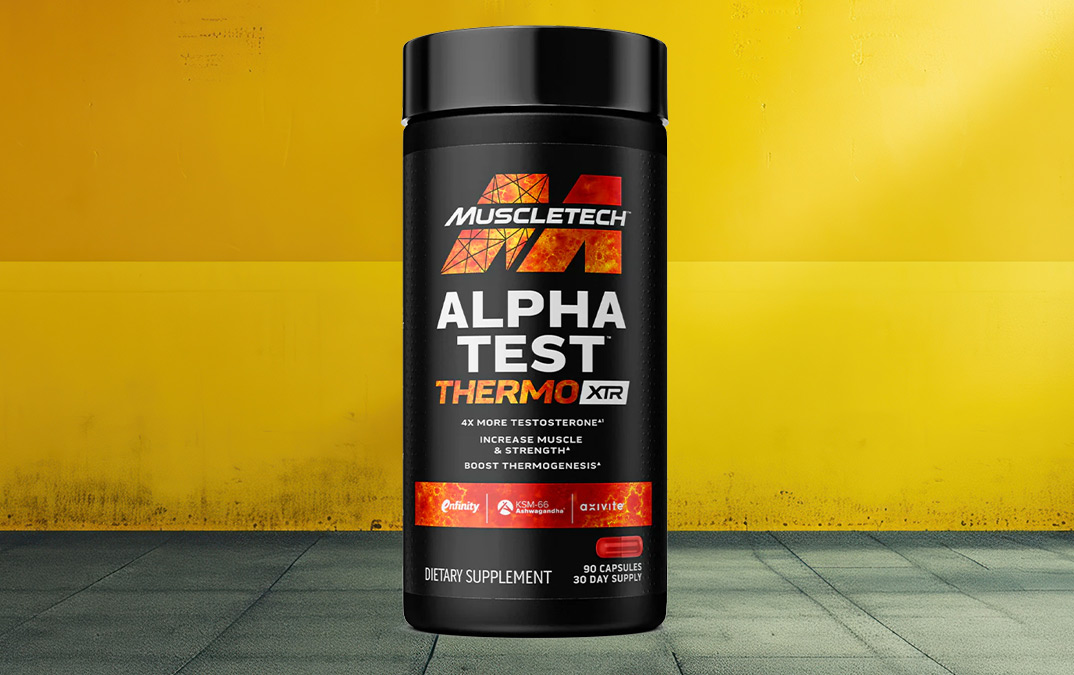
Muscletech AlphaTest is a testosterone booster aimed at enhancing athletic performance. It uses ingredients like tribulus terrestris, fenugreek, and zinc to increase free testosterone levels, improve hormonal balance, support muscle growth, and boost energy. Athletes and fitness enthusiasts appreciate its ability to enhance vitality, energy, and recovery without banned substances, making it safe for competitive sports.

Fuel Your Fitness: A Deep Dive into 1UP Nutrition’s Health Supplements

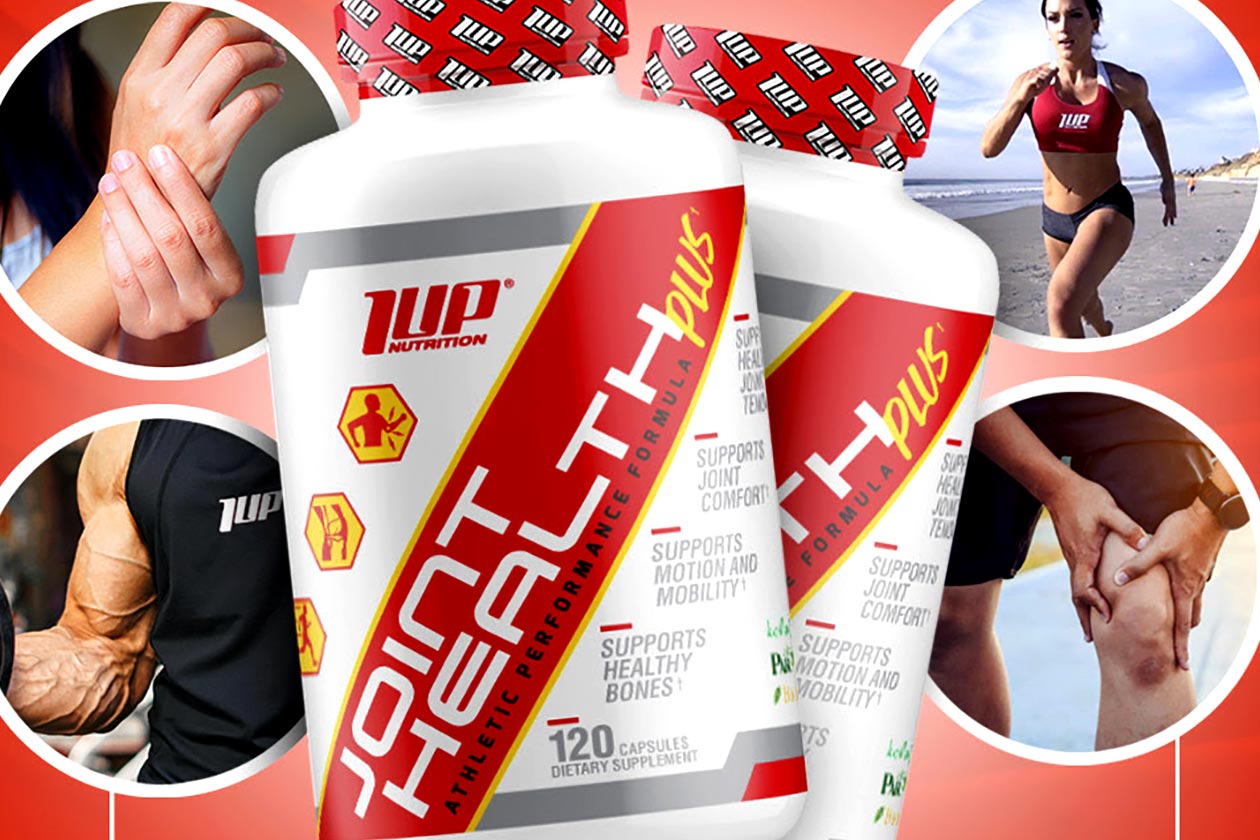
In today’s fast-paced world, individuals seek effective ways to enhance health and fitness. 1UP Nutrition provides high-quality supplements supporting various fitness goals. Their mission is to offer science-backed products for efficient fitness achievements. With a diverse product range, they cater to weight loss, muscle gain, and overall health. The brand stands out due to its quality commitment, ensuring all products undergo rigorous testing. Additionally, 1UP Nutrition fosters a community, offering resources and motivation, making it a reliable choice for fitness enthusiasts.

Why Certain Pre-Workout Supplements Are Banned

Pre-workout supplements often include stimulants or compounds that enhance performance but pose health risks. Ingredients like DMAA and ephedrine can cause heart issues and are banned by bodies like the FDA. Users must be informed, as the supplement industry lacks strict regulation, leading to potential safety concerns.

Protein: How Whey Can Transform Your Fitness Journey

Whey protein is a popular supplement favored by athletes and fitness enthusiasts. As a complete protein, it contains all essential amino acids, aiding muscle growth and recovery. Derived during cheese-making, it comes in forms like concentrate and isolate. With rapid absorption, it’s ideal post-workout. Its benefits extend to weight management and immune support, making it a staple in many diets.

The Sweet Impact of Honey on Exercise Performance

Honey before a workout offers numerous benefits, acting as an effective energy booster due to its natural sugars and carbohydrates. It provides a quick energy source, maintaining blood sugar levels and enhancing endurance. Additionally, honey’s antioxidants help reduce oxidative stress and support recovery. Consuming it with protein can balance its effects, promoting muscle recovery while ensuring portion control to manage sugar intake.

Understanding Splenda: Unpacking the Potential Side Effects

Splenda, a widely used artificial sweetener, is often lauded for its ability to provide sweetness without the calories associated with sugar. However, like many synthetic additives, it has been the subject of scrutiny regarding potential side effects. Some individuals report headaches, dizziness, and gastrointestinal issues such as bloating and diarrhea after consuming products containing Splenda. There have also been concerns about its impact on gut health, with studies suggesting that it might alter beneficial gut bacteria. Moderation is encouraged, and sensitive individuals should monitor their intake.

Acai Bowls: Superfood or Sneaky Calorie Bomb?

Acai bowls, popular for their health benefits and antioxidant-rich content, are not inherently fattening. The acai berry itself is low in calories and fat, but toppings like granola, honey, and nut butters can add calories. These additions increase the sugar and fat content, making the bowl calorie-dense. Monitoring portion sizes and toppings is key if weight management is a goal.

Casein vs Whey: The Battle of the Proteins

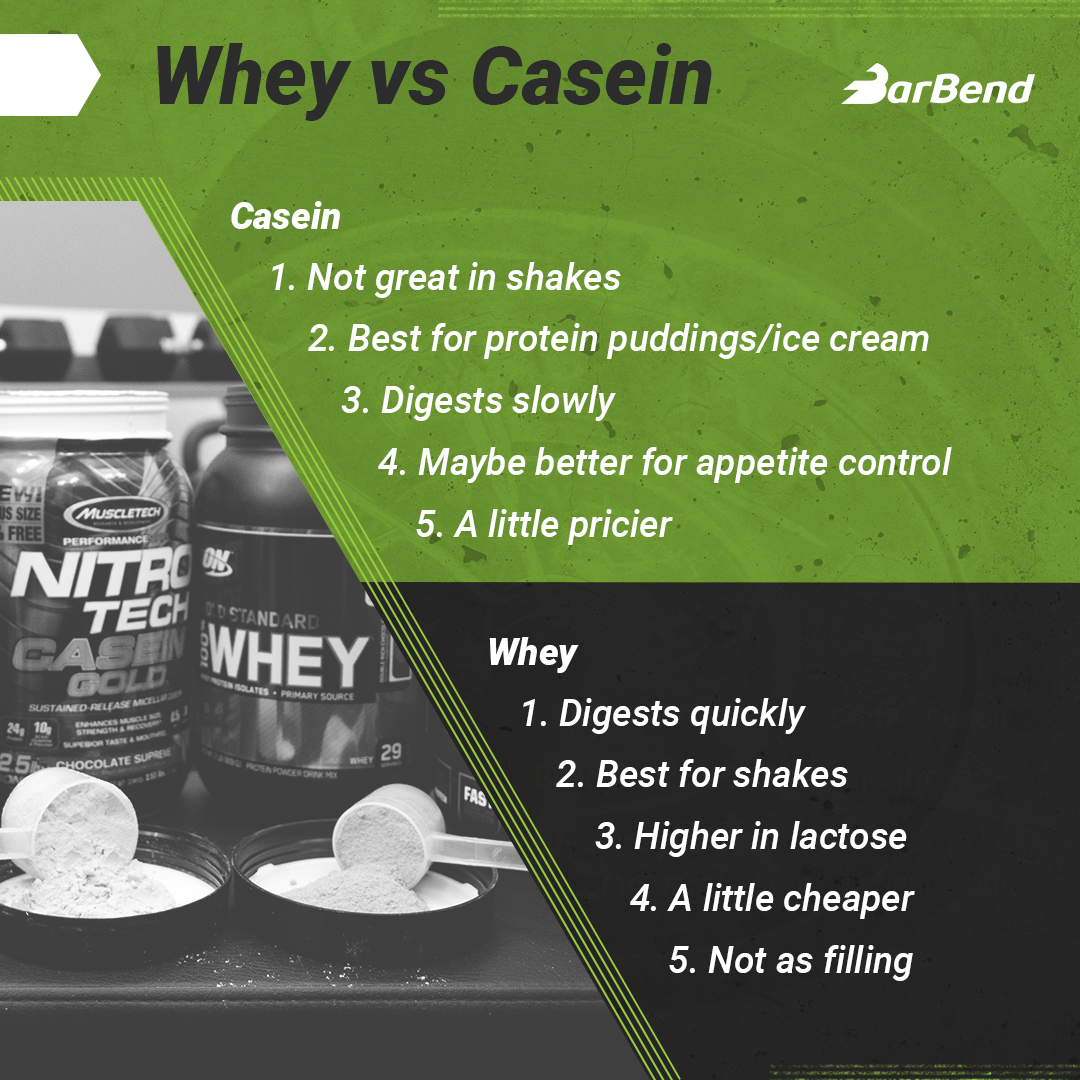
In the realm of protein supplements, casein and whey stand out, both derived from milk. They provide all essential amino acids but differ in absorption rates. Casein digests slowly, making it ideal for prolonged protein delivery, such as a bedtime snack to support muscle recovery. Whey, on the other hand, absorbs rapidly, perfect for post-workout recovery, delivering quick amino acid surges to aid in muscle growth. Balancing both can optimize your protein intake, with whey for morning or post-exercise boosts and casein for long-term muscle nourishment.

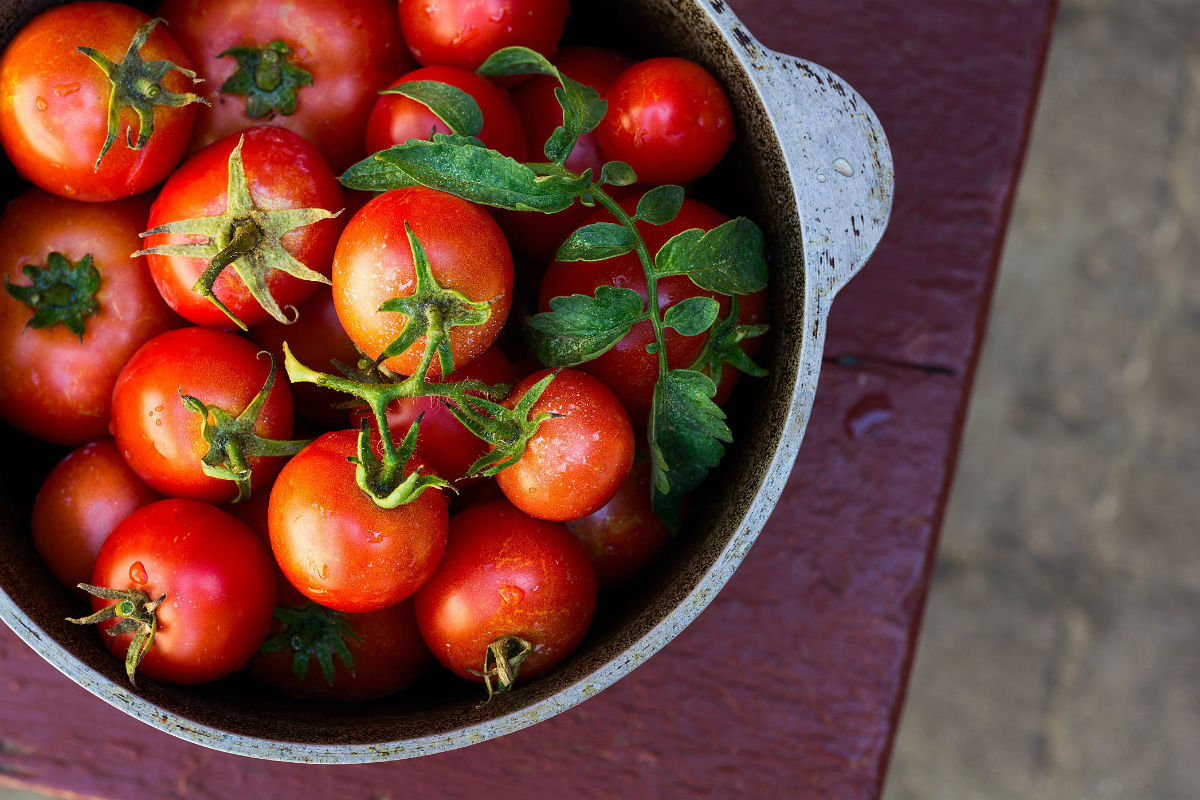
Tomatoes: Juicy Red Powerhouses of Health?

Tomatoes offer numerous health benefits as they are rich in essential nutrients like vitamin C, potassium, folate, and vitamin K. Their antioxidant content, particularly lycopene, is associated with reduced risks of heart disease and cancer. Additionally, tomatoes help with hydration and digestion due to their high water content and support weight management with their low calorie and carbohydrate levels. They are a versatile and nutritious addition to any diet, enhancing both the flavor and health profile of a variety of dishes.

Low-Carb Veggie Heroes: Best Vegetables for Keto Enthusiasts

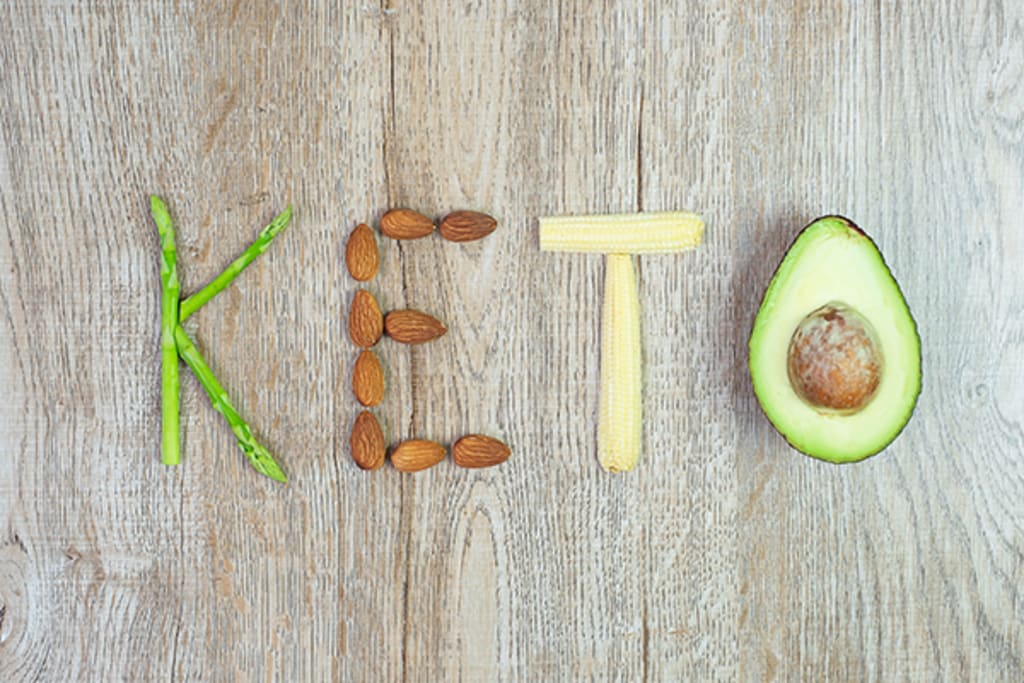
When it comes to following a low-carb lifestyle, vegetables play a pivotal role in providing essential nutrients while keeping carbohydrate intake in check. Leafy greens like spinach, kale, and lettuce offer vital phytonutrients while being low in carbs. Cruciferous vegetables, such as broccoli and cauliflower, are known for their cancer-fighting properties. Additionally, zucchini and bell peppers add flavor and texture, promoting weight management without exceeding carb limits. Understanding low-carb vegetables helps diversify meals and maintain a healthy balance.

Starvation: How Long Can the Human Body Last Without Food?

The length of time a person can survive without food varies based on individual factors like health, body composition, hydration, and environmental conditions. Typically, a healthy individual can endure several weeks without food, using fat stores and muscle mass for energy. However, hydration is critical as dehydration can lead to rapid decline and potentially be fatal within days. The body enters ketosis, utilizing fat for fuel, but prolonged food deprivation can cause severe complications like organ failure and weakened immunity. These situations require caution and medical supervision.

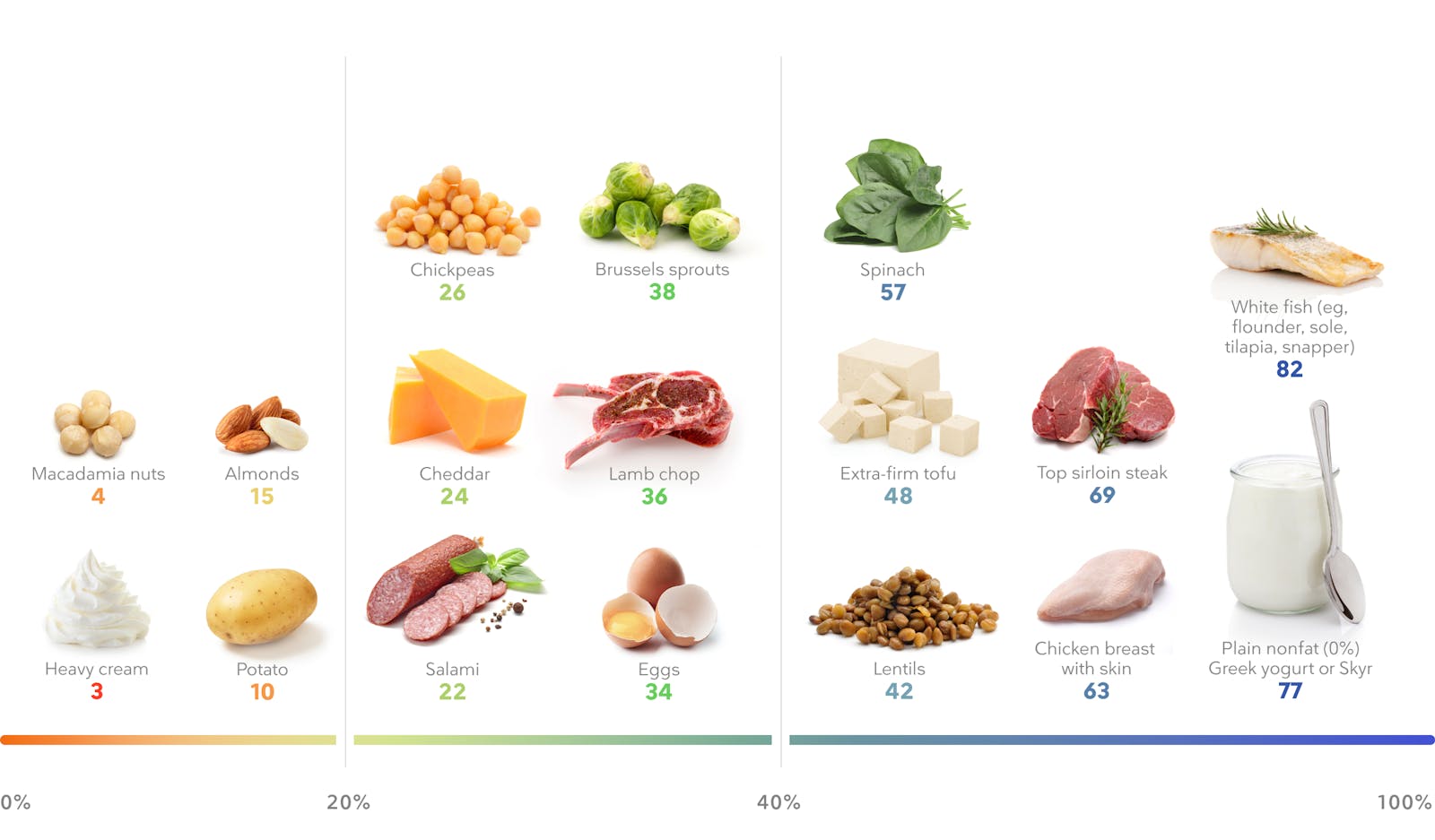
Top High-Protein, Low-Calorie Foods You Need to Try

In the quest for a healthier lifestyle, balancing nutrient intake is crucial. Among the nutrients, protein is fundamental due to its vital role in tissue repair and muscle growth. However, not all sources align with dietary goals, especially when maintaining a low-calorie intake. Lean meats like chicken breast, Greek yogurt, egg whites, cottage cheese, and lentils are excellent choices, offering high protein without high calories. These foods not only support nutritional needs but also help maintain calorie limits, promoting satiety and aiding in muscle growth or weight management.

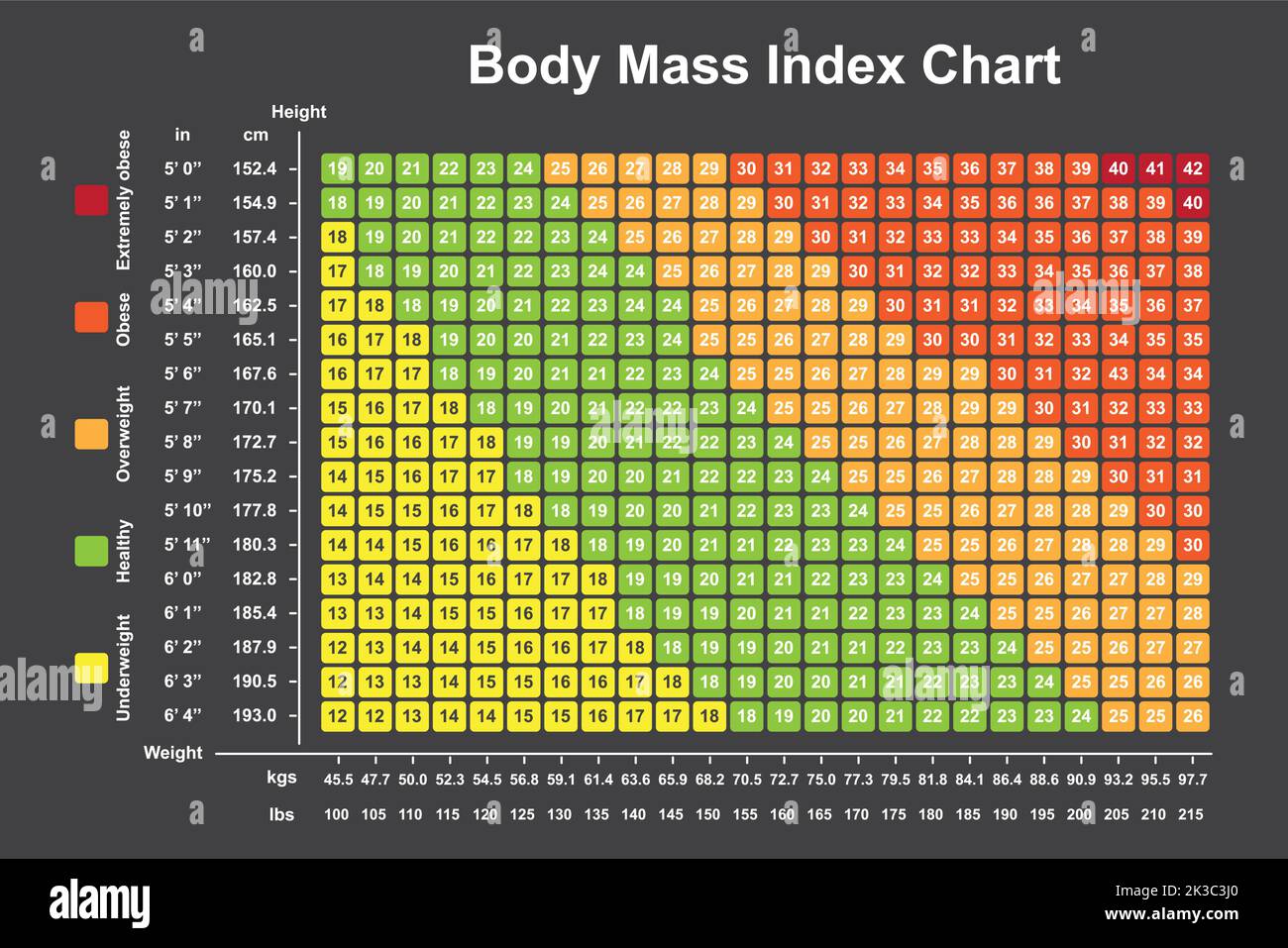
Decoding the BMI Chart: What Your Number Really Means for Your Health

The Body Mass Index (BMI) chart is a visual tool used to assess healthy weight based on height and weight. It categorizes individuals as underweight, normal weight, overweight, or obese using a calculation of weight in kilograms divided by height in meters squared. Although widely used, BMI has limitations: it doesn’t account for muscle mass, bone density, or body composition variations. Athletes may be mislabeled as overweight despite low body fat. Thus, while useful for initial screening, BMI should be complemented with other health assessments for accuracy.

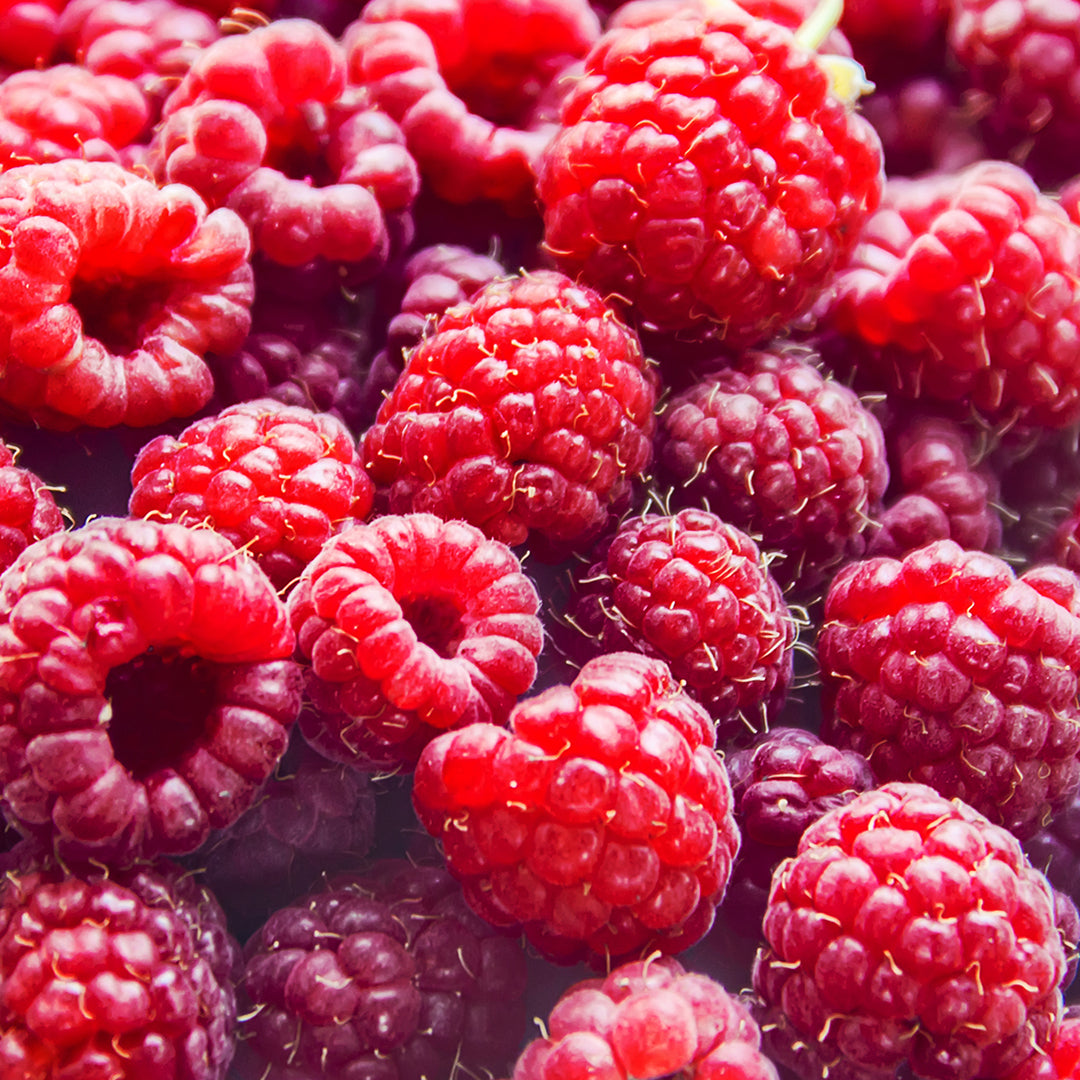
Raspberry Revelations: Calorie Count and Health Benefits

Raspberries are a delightful and nutritious fruit that are low in calories, making them an excellent choice for those seeking a healthy and satisfying snack. Typically, a cup of fresh raspberries contains approximately 65-70 calories, which is relatively low compared to other fruits. Despite their modest calorie content, raspberries are rich in dietary fiber, vitamins, and antioxidants.

Cracking the Code: Is Whey Really Gluten-Free?

Whey, a byproduct of cheese production, is naturally gluten-free, making it suitable for those with celiac disease or gluten intolerance. Derived from milk, it doesn’t contain gluten, which is found in wheat, barley, and rye. However, flavored or processed whey products might contain gluten additives, so selecting gluten-free labeled products is essential.

Unwrapping the Truth: What’s Inside Your Favorite Chocolate Cookie?

Chocolate cookies, a beloved treat worldwide, offer a delightful indulgence, but they also come with a nutritional profile that warrants moderation. Typically, a standard chocolate cookie contains calories primarily derived from sugars and fats, particularly saturated fats. These cookies often contain ingredients like flour, sugar, butter, and chocolate chips, contributing to their carbohydrate and fat content. They are also a source of simple sugars, which can provide quick energy but may lead to spikes in blood sugar levels. While often low in essential nutrients such as vitamins and minerals, chocolate cookies might offer small amounts of calcium and iron, especially if they contain dark chocolate.

ISO Protein vs. Whey: Which Protein Powder Reigns Supreme?

ISO protein and whey protein are popular supplements used to support muscle recovery and development. ISO protein is a more refined version, often over 90% pure protein, with reduced fats and lactose, making it ideal for those with lactose intolerance. Whey protein, derived from milk, has a balanced profile with branched-chain amino acids like leucine, essential for muscle synthesis. Both are effective for muscle growth, but the choice depends on dietary goals and individual needs.

Inside David Goggins’ Diet: Fueling an Unstoppable Force

David Goggins, renowned for his extraordinary feats of endurance and mental toughness, follows a disciplined diet that complements his grueling fitness regimen. His approach is characterized by a low-carbohydrate, high-protein diet, often aligning with ketogenic principles. Lean proteins like chicken, fish, and eggs, along with healthy fats from nuts and avocados, are emphasized. Vegetables and leafy greens ensure essential vitamin intake. Hydration and meal timing are critical, enhancing performance and discipline. This diet philosophy supports his resilience and peak physical condition, crucial to his endurance achievements.

Pickles: A Tart Treat with Surprising Health Benefits?

Pickles, beloved for their tangy crunch, can be a healthy addition to your diet when eaten in moderation. Fermented cucumbers in a brine solution of water, vinegar, and spices not only add flavor but also offer health perks. This fermentation process introduces probiotics, beneficial for gut health. Low in calories, pickles make a guilt-free snack but are high in sodium, which can affect blood pressure if overconsumed. While they can be part of a healthy diet, it’s crucial to enjoy them sparingly and monitor sodium intake.

The Health Benefits of Jasmine Rice: A Nutritional Guide

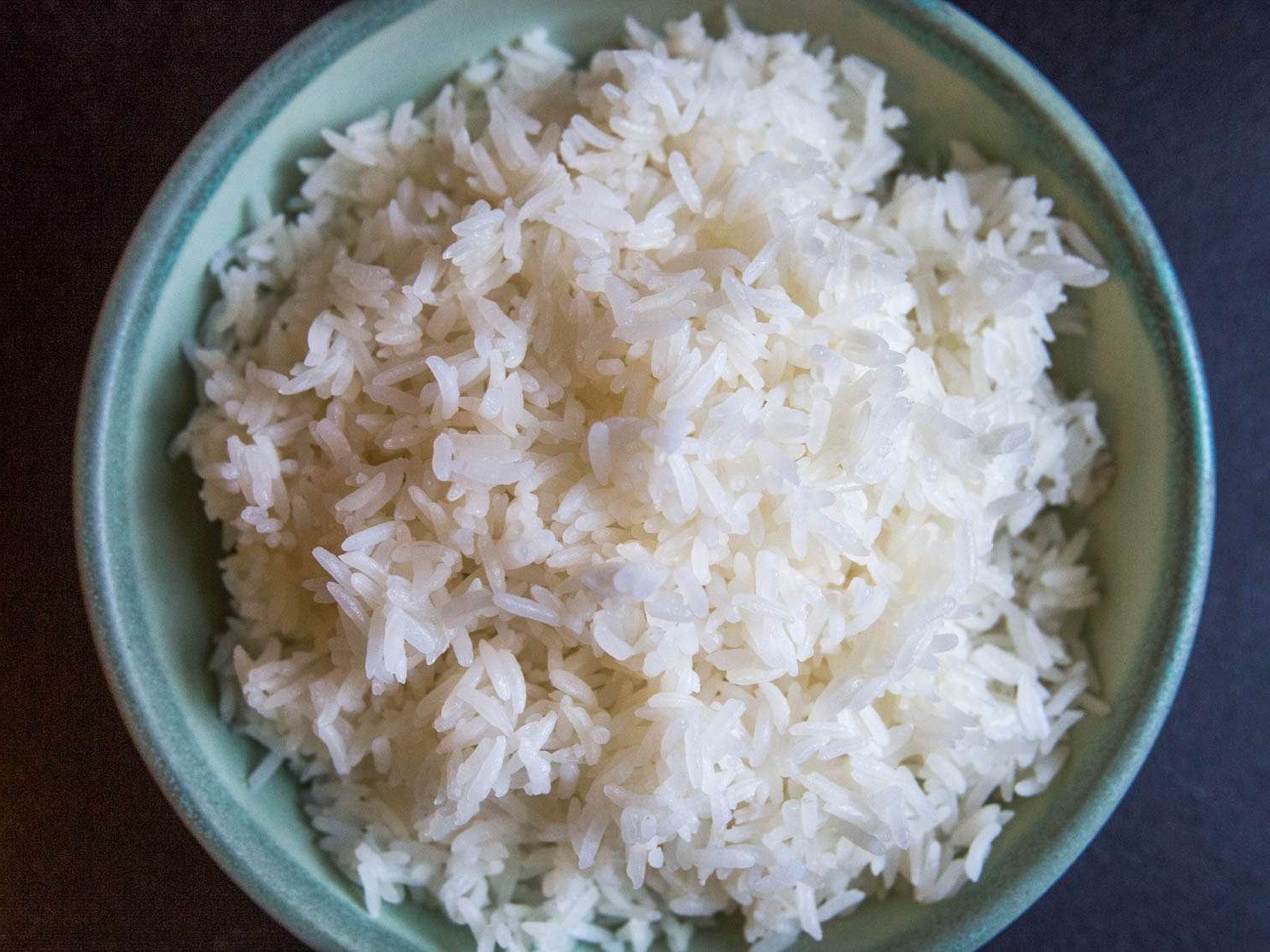
Jasmine rice, a long-grain variety from Thailand, is celebrated for its floral aroma and slightly sticky texture. It offers essential carbohydrates, serving as a primary energy source. While white jasmine rice may lead to rapid blood sugar spikes due to higher glycemic index, brown jasmine rice provides more fiber and nutrients, making it a healthier option. Balancing its intake within a varied diet is key to reaping its nutritional benefits.

Top Low-Calorie Fruits to Add to Your Diet

Fruits low in calories are perfect for those conscious of their weight but looking to enjoy nutritious food. These fruits often have high water content and are rich in essential nutrients. Watermelon, for instance, contains about 30 calories per 100 grams, providing a refreshing and hydrating option. Strawberries also serve as a sweet treat with only about 32 calories per 100 grams, delivering plenty of vitamin C and manganese, making them ideal for a healthy diet.

Eating by Type: The Pros and Cons of the Blood Group Diet

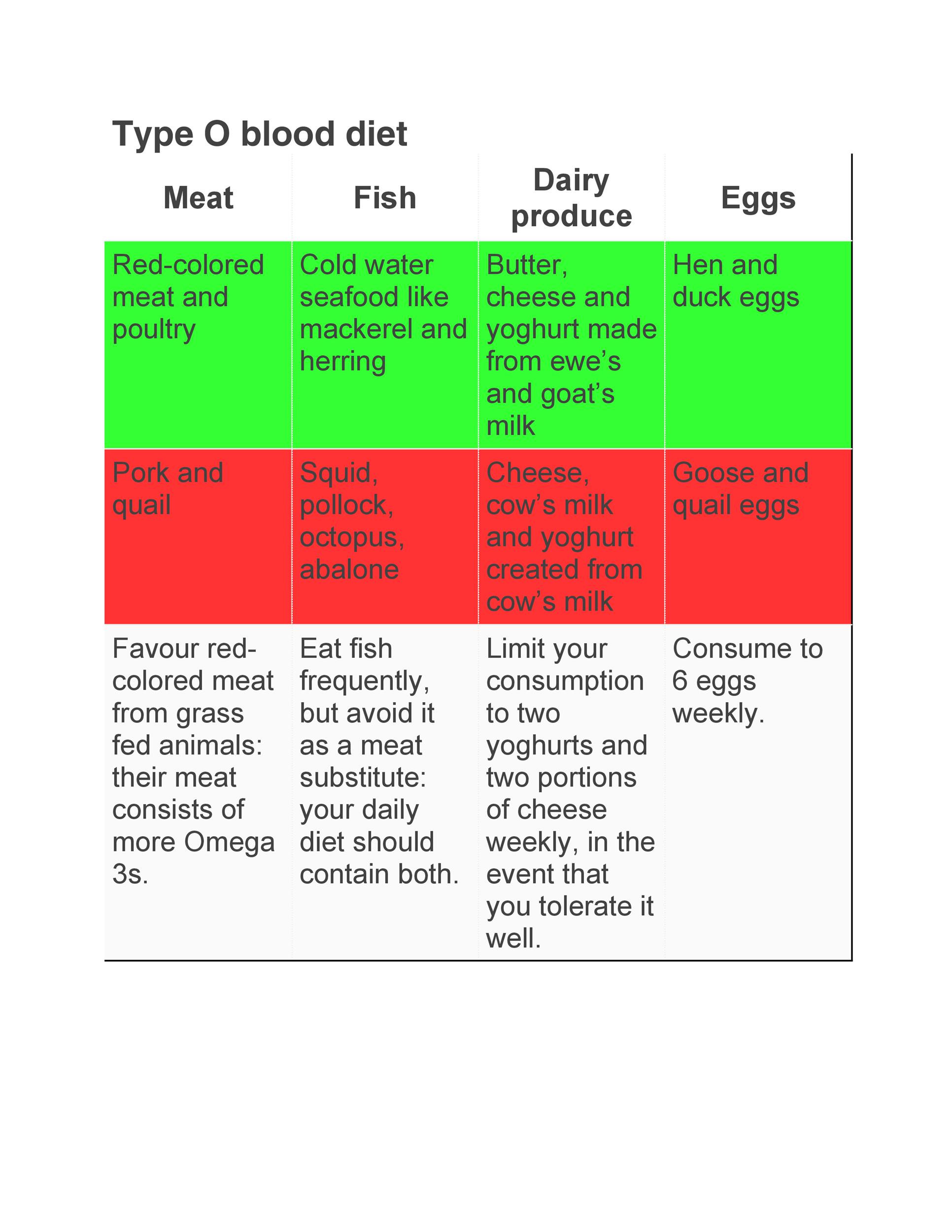
The blood group diet, developed by Dr. Peter D’Adamo, advocates for eating based on one’s blood type (A, B, AB, O) to enhance health and minimize disease risk. It suggests that evolutionary traits linked to each blood type impact digestion and immune function. For instance, type O favors a protein-rich diet, while type A benefits from a vegetarian regimen. However, critics highlight the lack of conclusive scientific proof for its effectiveness, underscoring the importance of broader personalized nutrition over relying solely on blood type criteria.

Benefits Grapes: Unveiling the Health Benefits of This Juicy Fruit

Grapes offer numerous health benefits, making them a nutritious addition to any diet. These tiny, juicy fruits are rich in antioxidants like resveratrol, promoting heart health by reducing inflammation and lowering cardiovascular disease risk. They are packed with vitamins C and K, supporting a strong immune system and aiding in bone health. Additionally, their natural sweetness, dietary fiber, and low-calorie profile make them excellent for digestive health and weight management. Furthermore, studies suggest grape phytochemicals may protect against certain cancers, enhance brain function, and improve skin health.

Select Wishlist

Cart Menu Button Image6Left Menu Icon
Your Cart