Unveiling the Nutritional Benefits of Apple Greens

Apple green, often referring to the vibrant color of certain apple varieties, extends to their nutritional richness. Green apples, such as Granny Smith, are known for their tart flavor and excellent nutritional profile. They are low in calories, making them ideal for weight management, and are rich in dietary fiber, aiding digestion. Additionally, these apples provide vitamin C, crucial for immune function and skin health, and contain phytonutrients linked to reducing the risk of chronic diseases. Their low sodium, fat, and cholesterol levels make them a heart-healthy snack.


Acerola: The Vitamin C Powerhouse Fruit

Acerola, a small and vibrant red fruit native to Central and South America, is gaining global recognition for its health benefits. Notably, it boasts an impressive vitamin C content, exceeding that of oranges or lemons, providing over 1,600% of the recommended daily intake in just one cup. Alongside vitamin C, acerola is rich in antioxidants and other vitamins, contributing to immune health, skin vitality, and cardiovascular support. Its tart and sweet flavor makes it a versatile addition to diets, enjoyed fresh, juiced, or in powdered form for an easy nutritional boost.

The BRAT Diet: A Gentle Approach to Easing Stomach Upsets

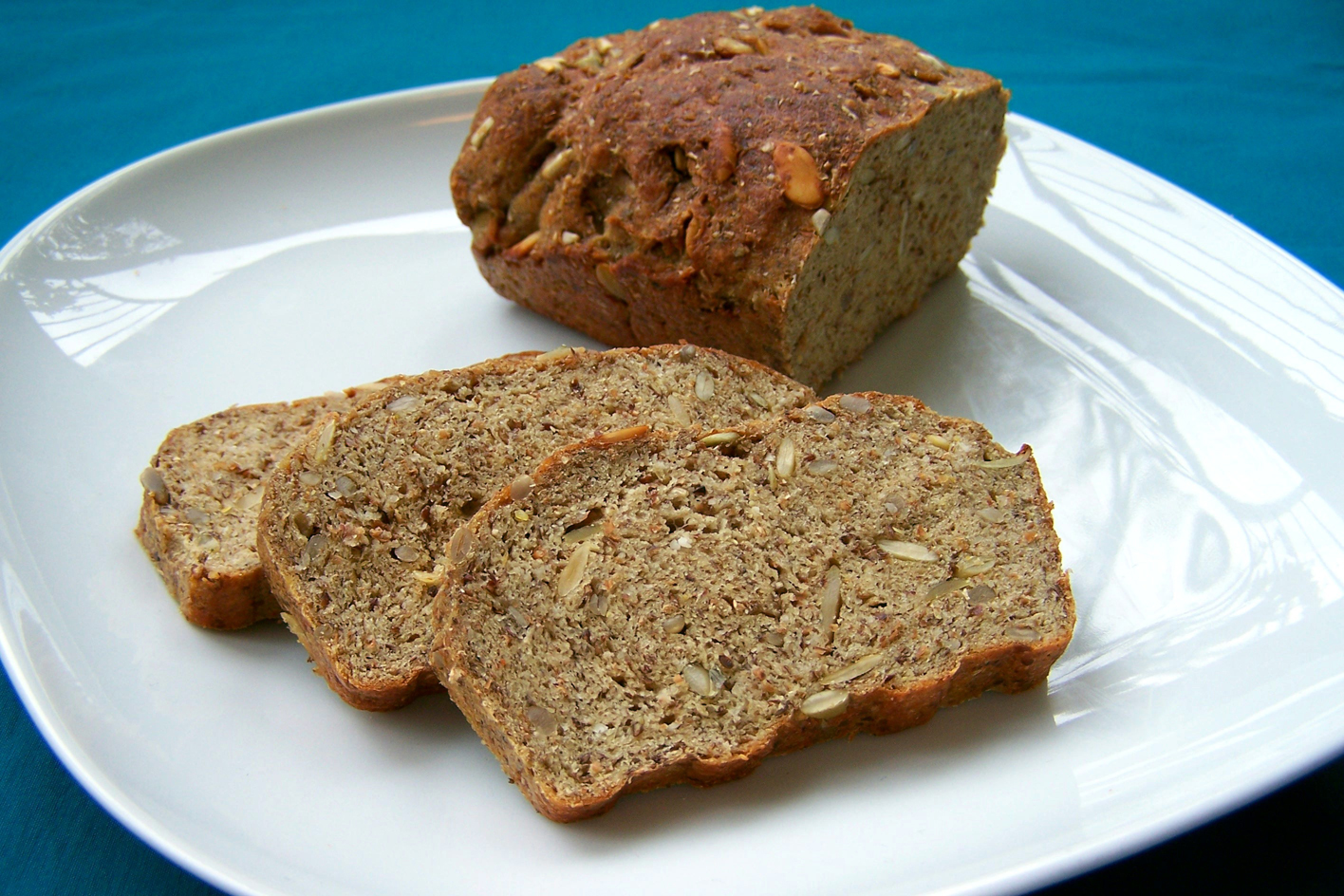
The BRAT diet, an acronym for Bananas, Rice, Applesauce, and Toast, is a bland-food regimen traditionally recommended for individuals experiencing gastrointestinal distress, such as diarrhea or gastroenteritis. The diet is designed to give the stomach a chance to rest and reduce the severity and duration of symptoms by incorporating foods that are gentle on the digestive system.

Can Coffee Make u Gain Weight

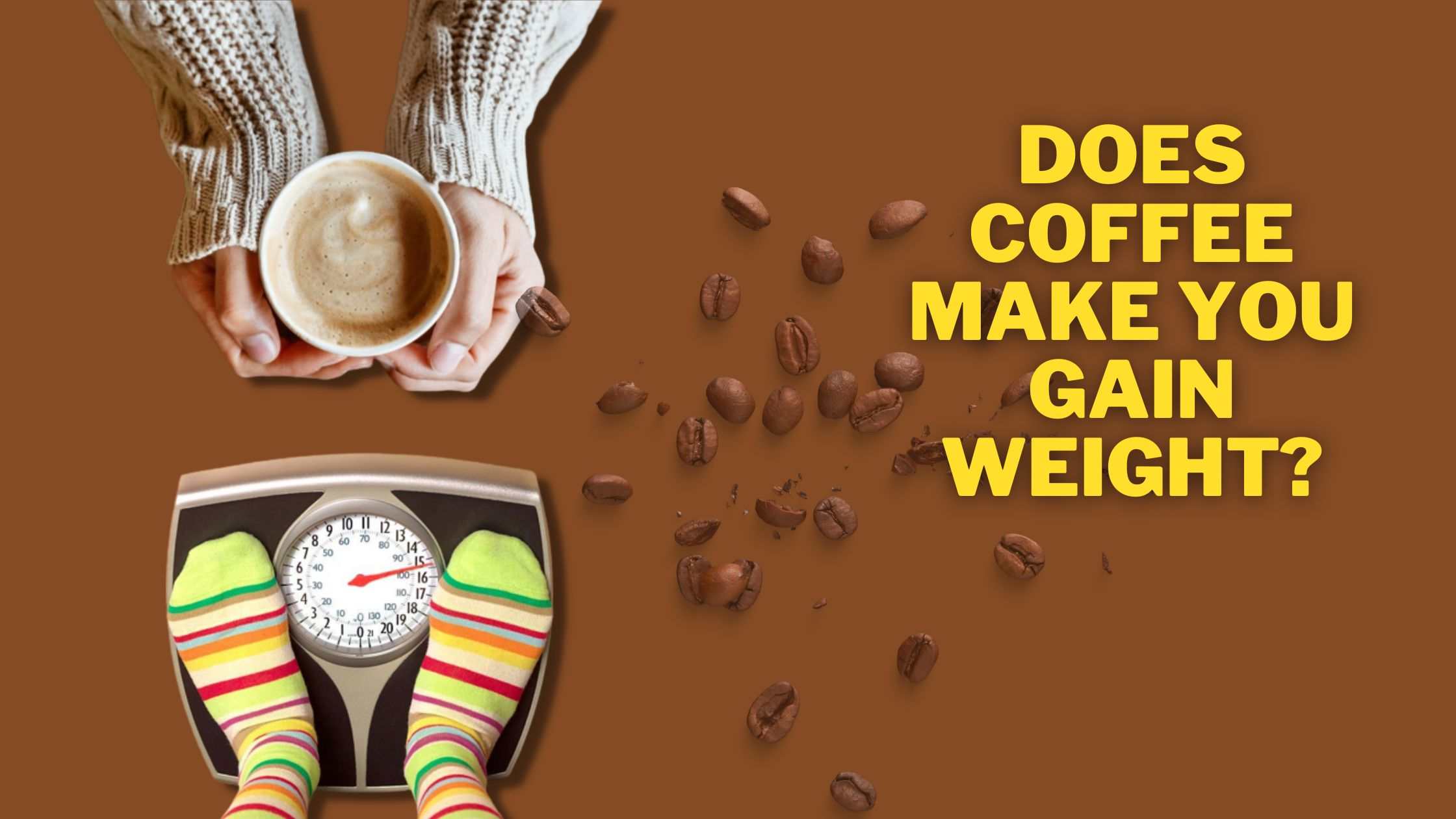
Coffee itself is a low-calorie beverage, unlikely to cause weight gain when consumed in moderation. The potential for weight gain largely depends on consumption habits; adding high-calorie ingredients like sugar, syrups, or cream can increase calories significantly. Specialty drinks can also contribute to caloric surplus. To manage weight, enjoy coffee in its natural form, limit high-calorie additives, and remain mindful of portion sizes.

Vince Gironda Revolutionized Bodybuilding Training

Vince Gironda, the “Iron Guru,” was a pivotal figure in bodybuilding history. Born in 1917 in the Bronx, he redefined fitness with his emphasis on diet, exercise form, and natural methods. His “Vince’s Gym” was a hub for stars like Schwarzenegger, promoting unique exercises and high-protein diets before they became mainstream.

Unlocking the Thermic Effect: How Food Boosts Your Metabolism

The thermic effect of food (TEF) refers to the increase in metabolic rate following the ingestion of a meal, accounting for the energy expended in digestion, absorption, and assimilation of nutrients. TEF contributes approximately 5-10% of daily caloric intake, with proteins inducing a higher effect compared to carbohydrates and fats. Understanding TEF can aid in dietary planning and weight management by influencing how effectively the body metabolizes nutrients from food.

The Power of Protein: How Whey is Revolutionizing Fitness Nutrition

Whey, a byproduct of cheese production, is recognized for its diverse applications, from nutritional supplements to culinary enhancements. It’s a complete protein, rich in essential amino acids, beneficial for muscle building and recovery. Athletes favor whey for its rapid absorption, and it’s utilized in the food industry to enhance protein content. Despite its advantages, the practice of “never use the same whey twice” persists due to nutrient loss and contamination risks upon reuse. This principle ensures whey remains a valuable asset while preserving its quality and safety.

How Natacha Oceane is Revolutionizing Fitness Content

Natacha Oceane is a prominent fitness influencer and YouTuber known for her science-based approach to health and fitness. Her focus on a balanced, sustainable lifestyle resonates with her audience, offering workout plans and nutritional advice. With a background in biophysics, she’s skilled at analyzing fitness trends and providing evidence-backed guidance. Her content includes workout challenges, fitness tips, and vlogs, all promoting authenticity and well-being.

How Oatmeal Can Help Shed Those Extra Pounds

Oatmeal is a nutritious and versatile food that can be an integral part of a weight loss diet, thanks to its high fiber content and ability to promote satiety. Rich in soluble fiber, particularly beta-glucan, oatmeal helps slow digestion and increase the feeling of fullness after meals, which can aid in reducing overall calorie intake. Additionally, it has a low glycemic index, meaning it releases sugar slowly, maintaining stable blood sugar levels and reducing cravings.

From Hardship to Fitness Icon: The Inspiring outing of Kali Muscle

Kali Muscle, born Chuck Kirkendall, is a motivational figure in fitness, known for his transformation story. From a challenging upbringing in Oakland, facing numerous hurdles, he found solace in sports. His journey includes overcoming legal issues and incarceration, where he honed bodybuilding skills. After release, he leveraged social media to inspire others, focusing on personal and physical growth, making him a life coach and icon beyond just muscles.

Are Hot Dogs a Healthy Choice? Separating Myths from Facts

Hot dogs, a staple in many cultures, are often linked with processed meats high in sodium and saturated fats. Excessive consumption can pose health risks, including hypertension and chronic diseases. Healthier alternatives, like those made from turkey or plant-based options, offer lower-fat choices. Moderation and mindful pairing with vegetables or whole grains can reduce potential health risks.

The Great Wiener Debate: Are Hot Dogs a Healthy Choice?

The healthiness of wieners, or hot dogs, depends on their ingredients and consumption context. Traditional wieners, being processed meats, are high in saturated fats and sodium, raising concerns about heart disease and hypertension if overconsumed. They might also contain nitrates linked to health risks. Healthier versions exist, like those made from turkey or chicken, or plant-based options, offering better nutritional profiles. To include wieners in a balanced diet, choose lower-fat and lower-sodium options, eat in moderation, and pair with nutritious sides like vegetables and whole grains.

For a Protein Bar: Muscle Bar

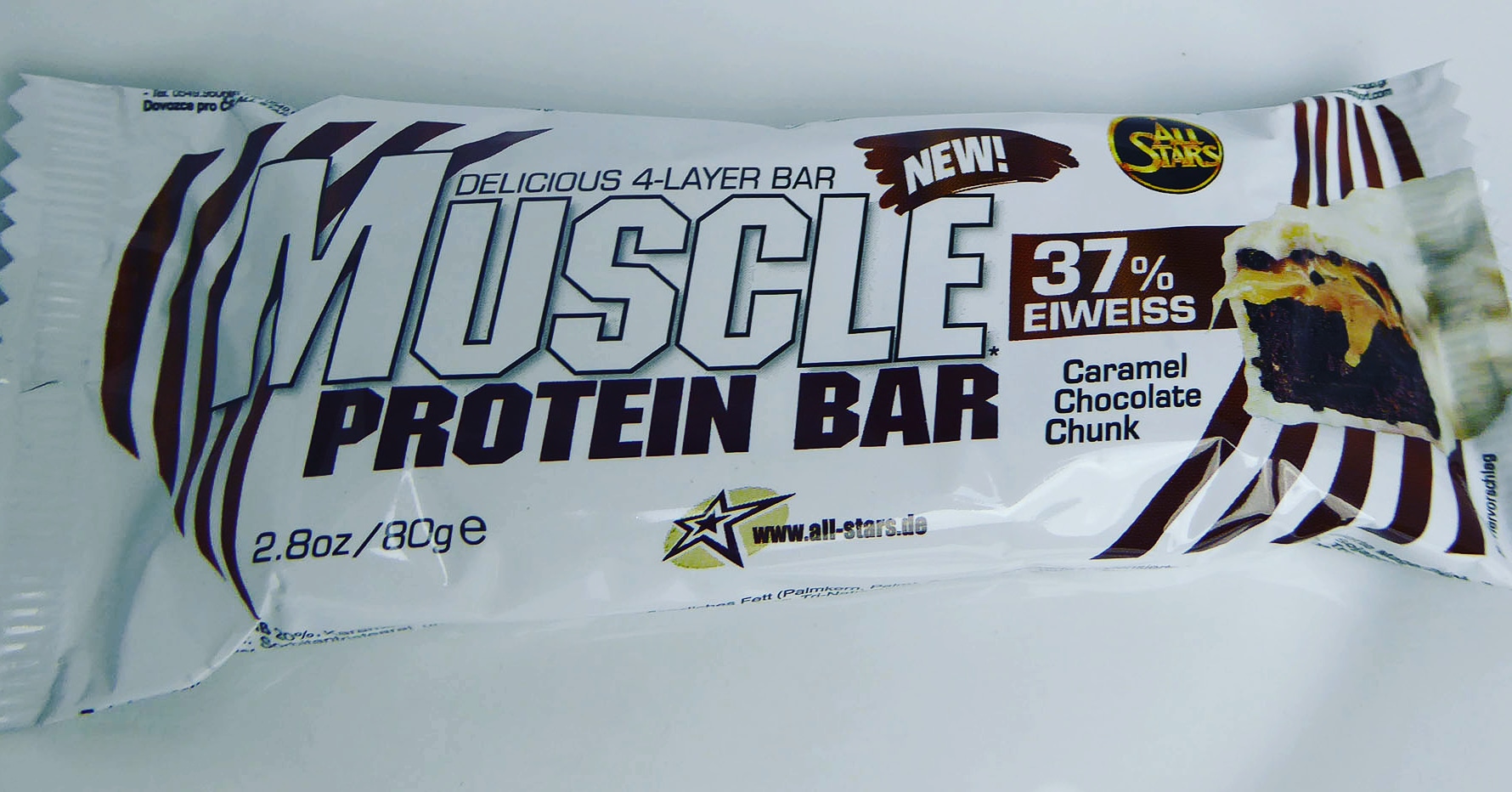
Muscle bars are specially formulated snack bars that cater to the nutritional needs of individuals engaged in regular physical activity. Typically composed of high-quality protein, carbohydrates, and fats, these bars enhance muscle synthesis, boost energy, and aid recovery. Unlike regular bars, muscle bars are enriched with additional vitamins and minerals, serving as a functional snack to support various fitness goals.

The Secrets to Optimum Nutrition: A signal to Balanced Eating

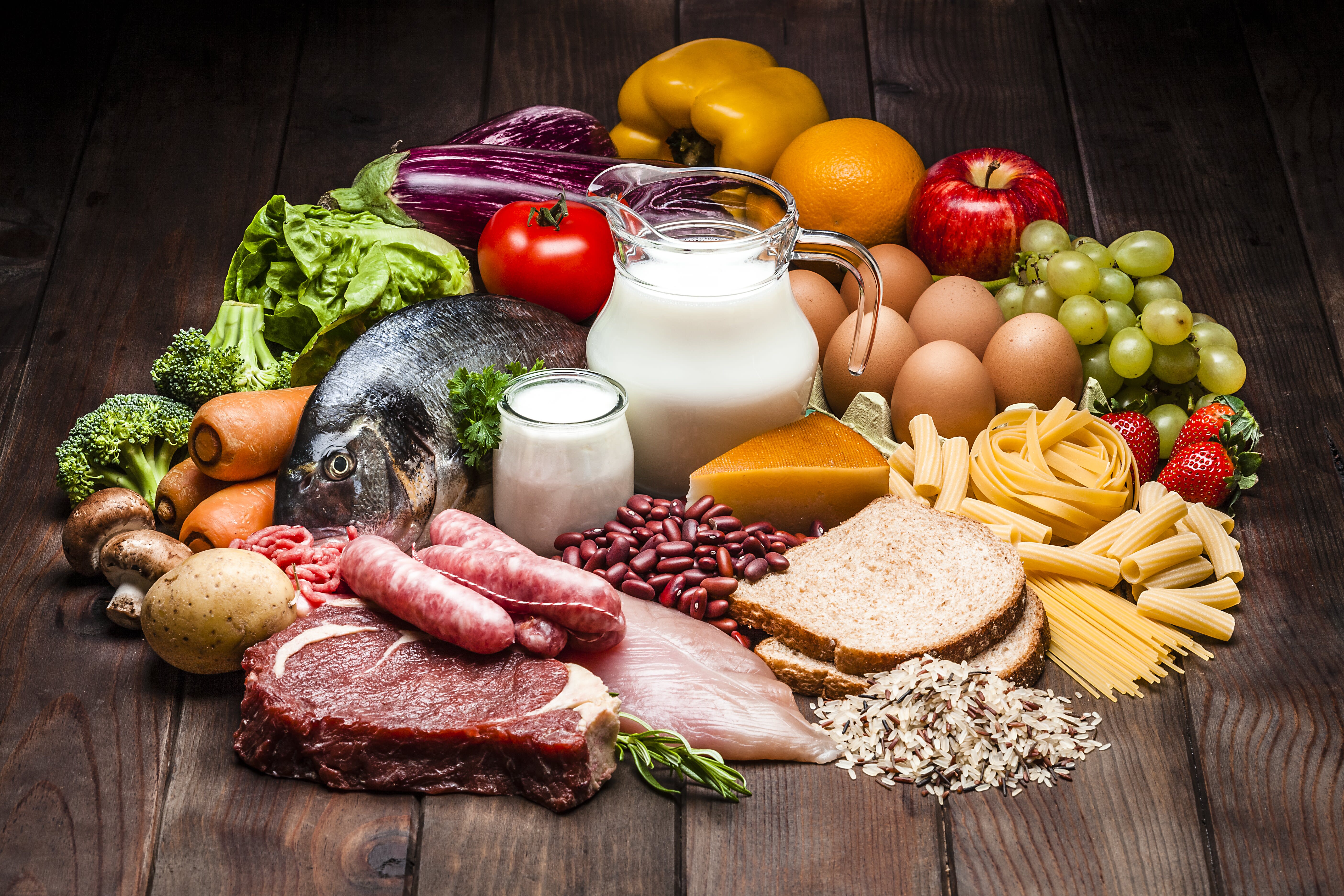
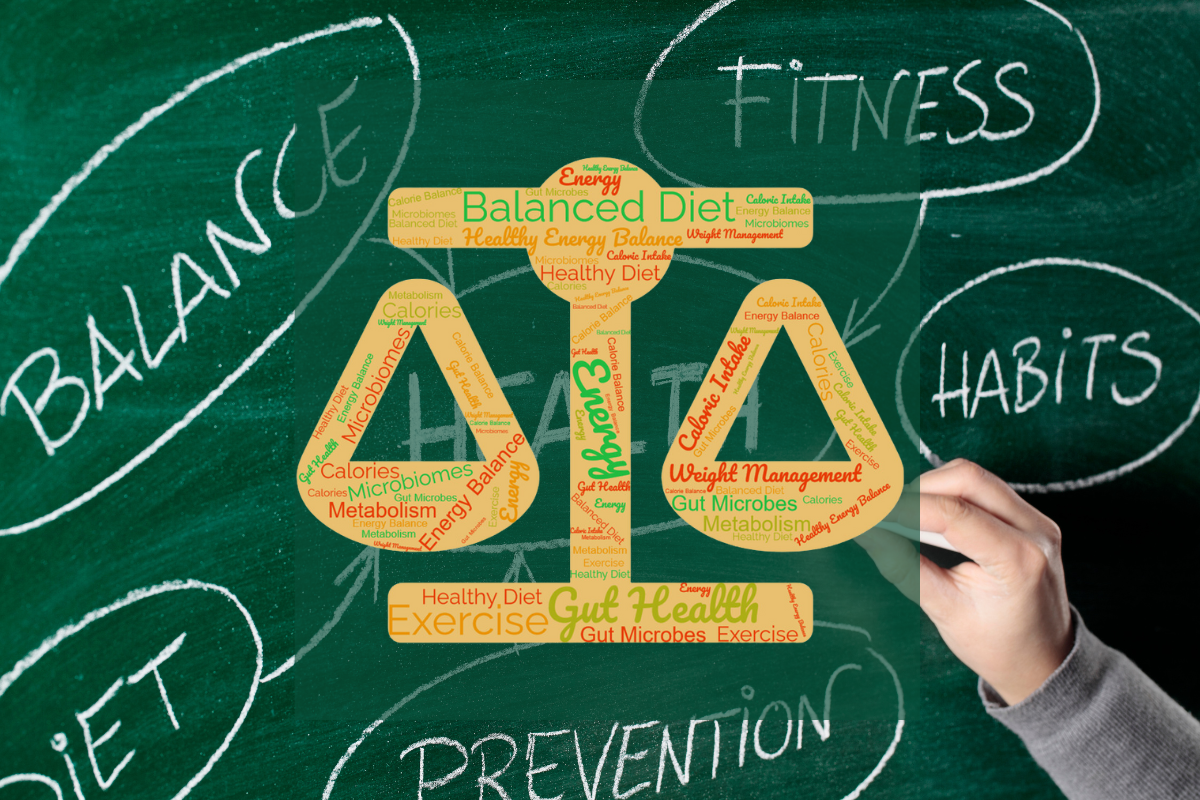
Optimum nutrition refers to providing the body with essential nutrients for optimal function, involving a balanced intake of macronutrients and micronutrients tailored to individual needs. It boosts immunity, enhances energy, improves mental health, supports growth, and prevents chronic diseases. Key steps include identifying nutritional needs, a balanced diet, mindful eating, staying hydrated, and regular monitoring. Embracing optimum nutrition leads to a healthier, more vibrant life by nourishing the body comprehensively for superior health outcomes.

The Benefits of Glutamic Acid: The Unsung Hero of Amino Acids

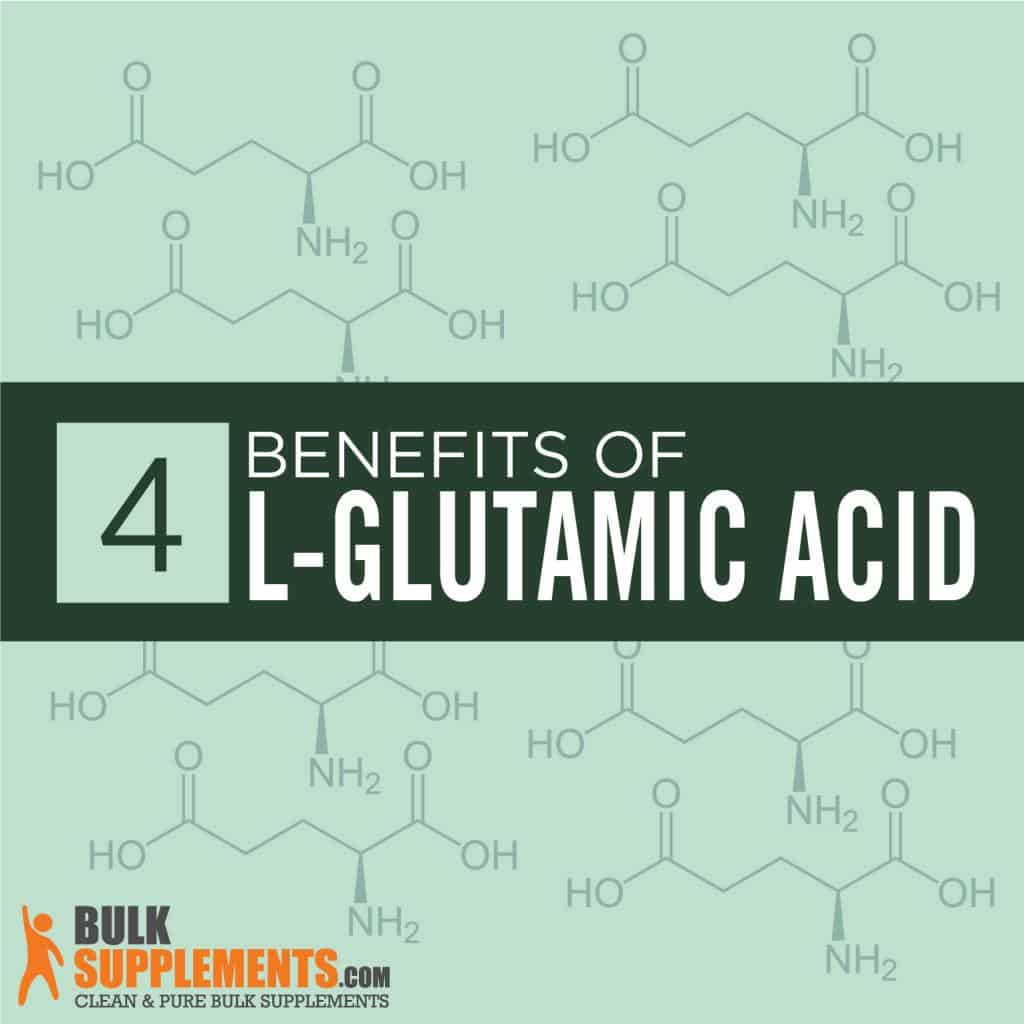
Glutamic acid is a versatile amino acid central to many biological processes. As an excitatory neurotransmitter, it aids in synaptic plasticity crucial for learning and memory and acts as a building block for proteins, involved in metabolic pathways. Its sodium salt, MSG, is widely used as a flavor enhancer due to its umami taste, but its consumption has sparked health debates, prompting ongoing research into its broader effects. Glutamic acid, synthesized by the body, is not required exclusively through diet, underscoring its multifaceted roles in health and nutrition.

The Caloric Conundrum: Should We All Just ‘Shut Up and Count Calories’?

“In today’s fast-paced world, health and fitness have become paramount. Many people strive to achieve their fitness goals, whether it’s losing weight, maintaining a healthy lifestyle, or simply eating mindfully. One method that has gained popularity is the concept of ‘Shut Up, Count Your Calories.’ This approach emphasizes accountability for one’s consumption by meticulously counting caloric intake, enhancing awareness of eating habits.”

Your Chipotle Bowl: How to Accurately Calculate Its Calories

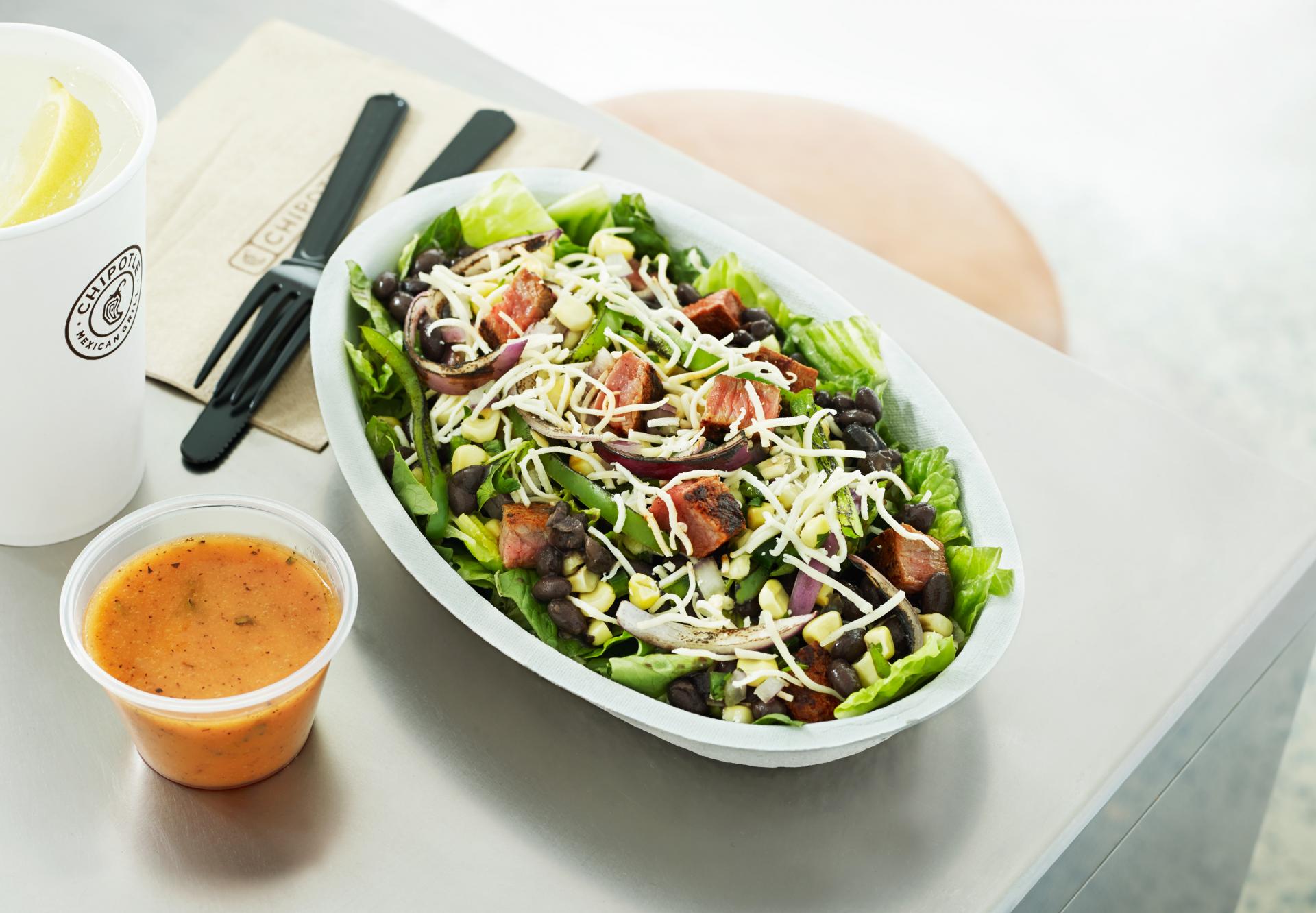
Calculating the calories in a Chipotle bowl involves understanding the individual ingredients and their respective nutritional information. A standard Chipotle bowl might include a base of cilantro-lime rice or brown rice, both of which contribute a significant portion of the calorie content. Additional components such as black or pinto beans, protein options like chicken, steak, or sofritas, and toppings such as cheese, sour cream, and guacamole each add their own caloric value. Vegetables, salsa, and lettuce typically add fewer calories but enrich the dish with essential vitamins and minerals.

Decoding the Bucket: Understanding Calorie Counts at KFC

KFC, known for its flavorful fried chicken, offers diverse menu options with varying calorie contents. For instance, an Original Recipe chicken breast has around 320 calories, while grilled chicken provides a lower-calorie choice. Sides like mashed potatoes and coleslaw can significantly add to meal calorie totals. KFC’s combo meals often include high-calorie items like sugary drinks and desserts. The chain provides nutritional information on its website to help customers make informed choices aligning with dietary needs.

How Many Calories Should You Eat to Build Muscle?

To effectively gain muscle, you should consume more calories than your body needs for maintenance, known as a caloric surplus. This typically involves an additional 250-500 calories daily, depending on factors like age, gender, weight, and activity level. Protein intake should be about 1.2-2.2 grams per kilogram of body weight to support muscle repair and growth, along with a balance of carbs and healthy fats for energy. Monitoring your progress and adjusting caloric intake as needed is important, and consulting a nutritionist can provide personalized guidance.

Maximize Muscle Growth: The Ultimate sign to Macro Nutrients

Macros, short for macronutrients, are vital for muscle gain. They include proteins, carbohydrates, and fats, each having a distinct function. Proteins, crucial for muscle repair and growth, should be consumed at 1.2 to 2.2 grams per kilogram of body weight. Carbs, the main energy source, should be 45-65% of daily intake. Fats support hormone production, making up 20-35% of calories. Balancing these macros boosts muscle-building efforts.

Top Foods Rich in Nitric Oxide You Should Try

Nitric oxide (NO) is crucial for numerous physiological processes, primarily serving as a vasodilator to aid blood vessel relaxation, improving cardiovascular health. While NO isn’t directly present in foods, certain foods boost its production. Leafy greens like spinach and arugula are rich in nitrates, converting to NO in the body, enhancing blood flow. Foods high in vitamin C and polyphenols protect NO from degradation, ensuring its longevity and effectiveness. Adding these to a balanced diet can naturally enhance NO levels, supporting overall health.

Select Wishlist

Cart Menu Button Image18Left Menu Icon
Your Cart