Faslodex: Help and Aid Against Breast Cancer

Faslodex, or fulvestrant, is a prescription medication used to treat hormone receptor-positive metastatic breast cancer in postmenopausal women. It works by binding to and degrading estrogen receptors, hindering cancer cell growth. Administered intramuscularly, Faslodex is often used when other hormonal treatments fail. Its unique receptor-degrading action makes it a valuable oncology therapy. Common side effects include injection site pain, nausea, and fatigue. Faslodex is integral to treatment plans aiming to prolong survival and improve quality of life in advanced breast cancer patients.

Fareston: Uses and Benefits in Breast Cancer Treatment

Fareston, known by its generic name toremifene, is used for treating certain metastatic breast cancers, particularly in postmenopausal women. As a selective estrogen receptor modulator (SERM), it blocks estrogen effects, slowing cancer growth. Typically taken as a 60 mg oral tablet, it’s key in hormonal therapy when other treatments, like tamoxifen, aren’t suitable. It requires regular monitoring due to potential side effects, including hot flashes and an increased risk of thromboembolic events. Fareston remains crucial in personalized cancer treatment, offering a targeted approach to managing estrogen-dependent tumors.

Faslodex

Faslodex, generically fulvestrant, treats hormone receptor-positive metastatic breast cancer in postmenopausal women post-failure of other anti-estrogen drugs. It acts by degrading estrogen receptors on cancer cells, reducing estrogen-induced cancer growth. Delivered intramuscularly, initially biweekly, then monthly, often in combination therapies, Faslodex enhances progression-free survival. Common side effects include injection pain and fatigue.

Current Research on Tamoxifen: Novel Uses and Future Directions

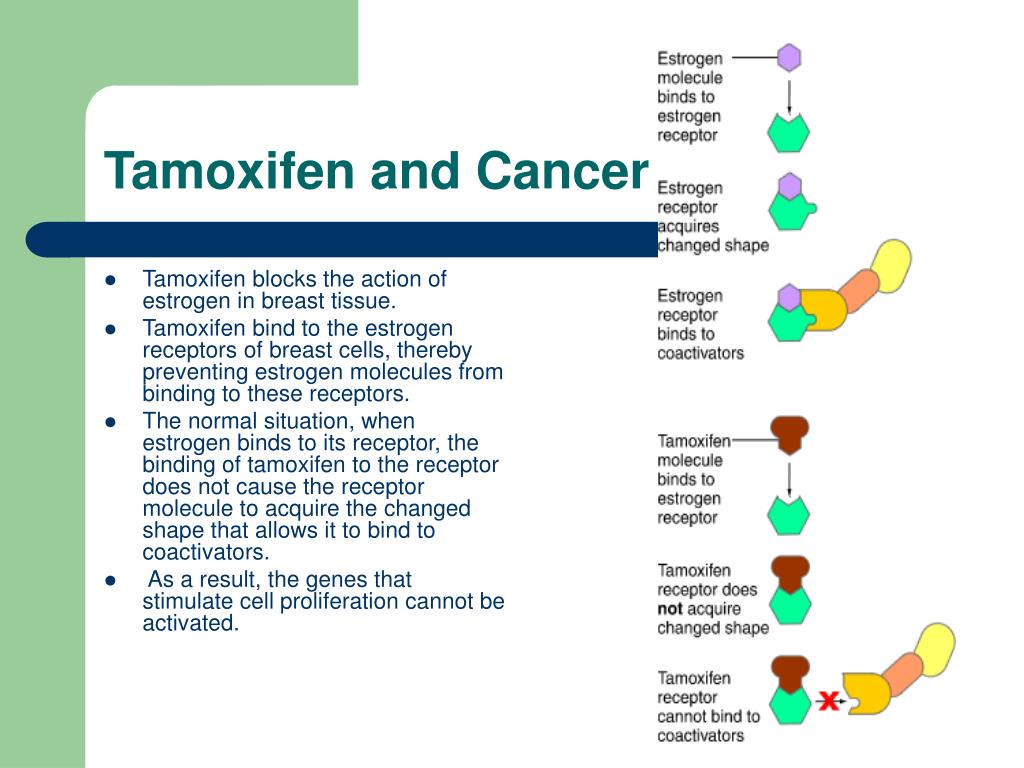
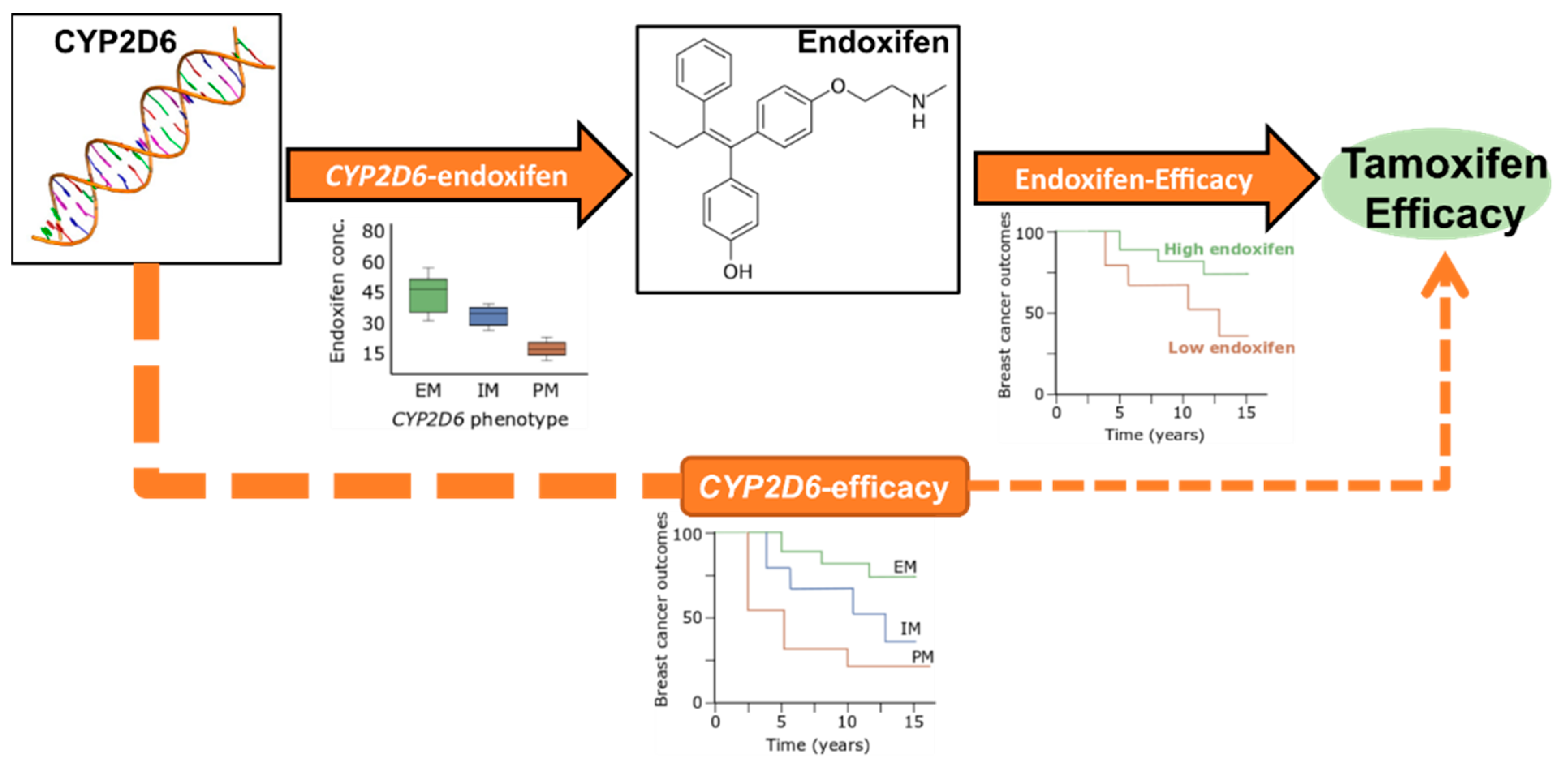
Tamoxifen is a medication extensively used for breast cancer treatment, specifically effective in managing estrogen receptor-positive types. As a selective estrogen receptor modulator (SERM), tamoxifen binds to estrogen receptors, blocking estrogen effects and impeding cancer cell growth. While primarily a cancer therapeutic, it’s also seen usage in fitness for managing anabolic steroid side effects. However, misuse can lead to severe issues, emphasizing the need for professional guidance. Despite some interest in fitness contexts, its primary acclaim lies in oncology, offering vital benefits in patient care.

Letrozole in Postmenopausal Women: Best Practices

Letrozole is a medication primarily used to treat breast cancer in postmenopausal women. It functions by reducing estrogen levels in the body, which can slow or reverse the growth of certain breast cancer cells. This drug is part of the aromatase inhibitors class, typically used long-term in tablet form. Although effective, letrozole carries potential side effects, including hot flashes, joint pain, and fatigue. Its use, especially outside medical purposes like in bodybuilding, should always be under medical supervision to avoid adverse reactions.

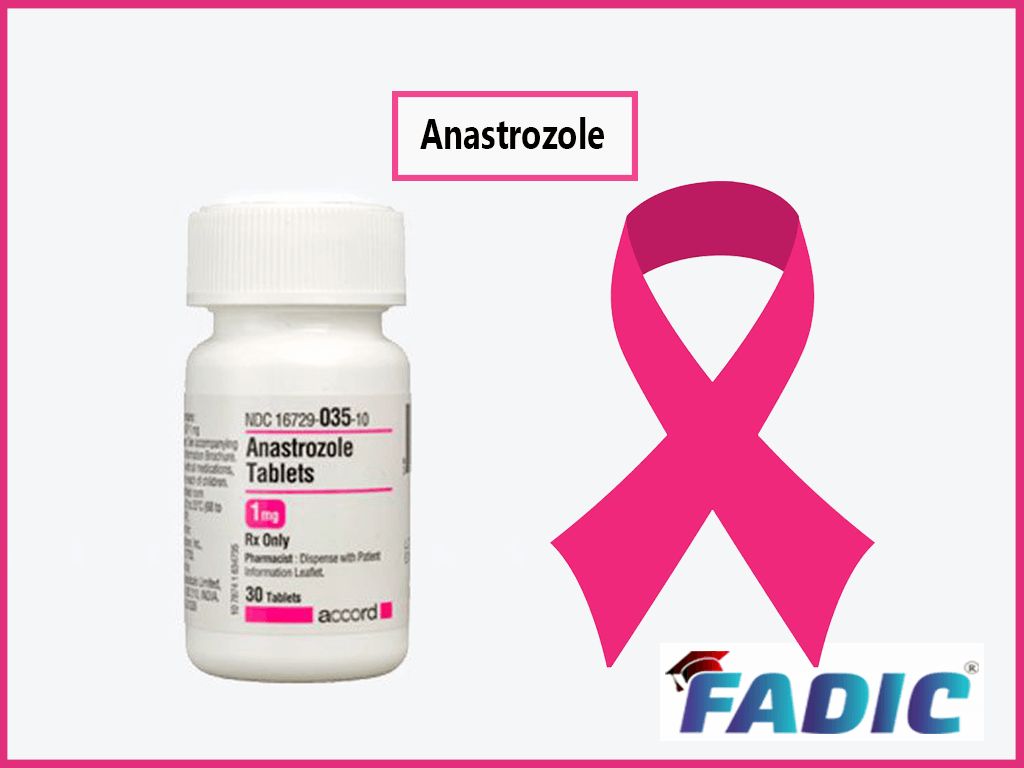
Long-Term Benefits of Arimidex for Breast Cancer Patients

Arimidex, known generically as anastrozole, is used primarily to treat hormone receptor-positive breast cancer in postmenopausal women. As an aromatase inhibitor, it reduces estrogen levels, helping slow the growth of estrogen-dependent tumors. Commonly prescribed post-surgery, it can decrease cancer recurrence risk, though side effects like joint pain and bone thinning may occur.

Exemestane vs. Anastrozole: Which Is More Effective?

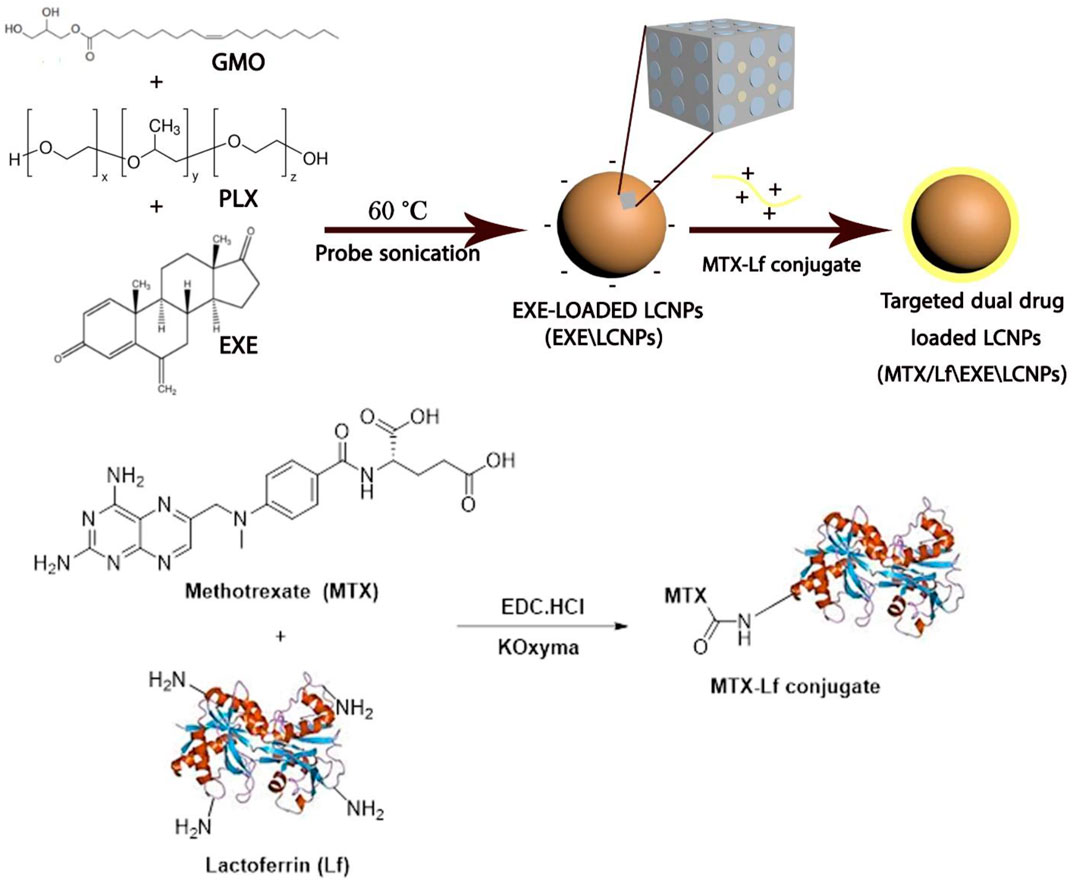
Understanding Exemestane Exemestane is a powerful drug commonly used to manage certain kinds of breast cancer in postmenopausal women. Known by the trade name Aromasin, it belongs to a class of drugs known as aromatase inhibitors. These inhibitors work by reducing estrogen production in the body, effectively slowing or reversing the growth of hormone-receptor-positive breast cancerRead More

Arimidex and Fertility: What Women Should Consider Before Starting Treatment

Arimidex, known generically as anastrozole, is a medication primarily used to treat breast cancer in postmenopausal women. It belongs to a class of drugs called aromatase inhibitors, which work by lowering estrogen levels in the body. Reduced estrogen levels can help slow down or even reverse the growth of certain types of breast tumors thatRead More

Long-Term Effects of Tamoxifen: What Survivors Need to Know

Tamoxifen is a well-known medication primarily used in the treatment of breast cancer. Known for its ability to block estrogen receptors, tamoxifen is classified as a selective estrogen receptor modulator (SERM). While its primary use is in oncology, it has also found its place within the bodybuilding community, often utilized to counteract estrogenic side effectsRead More

Understanding Aromasin: Uses, Benefits, and Side Effects

Aromasin, known scientifically as Exemestane, is a powerful medication primarily utilized to combat breast cancer in its advanced stages, particularly in postmenopausal women. The drug functions as an aromatase inhibitor, playing a crucial role in reducing the production of estrogen in the body. Estrogen is a hormone that can promote the growth of certain typesRead More

Arimidex and Bone Health: Understanding the Risks for Postmenopausal Women

Understanding Arimidex Arimidex is a widely recognized medication, primarily prescribed for its utility in breast cancer treatment. However, among bodybuilders and athletes, it takes on a different role. Arimidex is known as an aromatase inhibitor, which means it works to reduce the level of estrogen in the body by blocking the aromatase enzyme. For thoseRead More

Recent Advances in Letrozole Research: What Patients Should Know

Letrozole is a medication primarily used to treat hormone receptor-positive breast cancer in postmenopausal women. It belongs to a class of drugs known as aromatase inhibitors, which function by reducing the amount of estrogen produced in the body. Estrogen can promote the growth of some breast cancer cells; hence, lowering estrogen levels is a criticalRead More

Navigating Side Effects: What to Expect with Exemestane

Exemestane, commonly marketed under the trade name Aromasin, is an oral medication used predominantly for the treatment of certain types of breast cancer. As an aromatase inhibitor, it plays a vital role in the management of hormonally influenced breast tumors, particularly in postmenopausal women. These tumors typically rely on estrogen to grow. Exemestane works byRead More

Tamoxifen: Mechanisms of Action and Its Impact on Hormone Receptor-Positive Breast Cancer

Tamoxifen is a medication that has played a pivotal role in the treatment of breast cancer. It is classified as a selective estrogen receptor modulator (SERM) and is primarily used to prevent and treat estrogen receptor-positive breast cancer in women. Since its approval by the FDA in 1977, tamoxifen has become a cornerstone in theRead More

Exemestane in Breast Cancer Therapy: Evidence and Efficacy

What is Exemestane? Exemestane is a medication that is primarily used in the treatment of hormone-receptor-positive breast cancer in postmenopausal women. Classified as an aromatase inhibitor, it works by lowering estrogen levels in the body. Estrogen can promote the growth of breast cancer cells, and by inhibiting its production, exemestane plays a crucial role inRead More

Exploring the Benefits and Risks of Tamoxifen Therapy in Women with ER-Positive Breast Cancer

Tamoxifen is a medication primarily used in the treatment of breast cancer, especially in women who have hormone receptor-positive breast cancer. As a selective estrogen receptor modulator (SERM), tamoxifen acts by interfering with the activity of estrogen, a hormone that can stimulate the growth of certain types of breast tumors. What is Tamoxifen? Tamoxifen worksRead More

Understanding Letrozole: Mechanism of Action and Clinical Applications

Letrozole is a medication primarily used in the treatment of hormone receptor-positive breast cancer in postmenopausal women. As an aromatase inhibitor, it functions by reducing estrogen production in the body, thereby slowing or stopping the growth of hormone-sensitive tumors. How Does Letrozole Work? SPONSORED BY:“Examorelin and Its Potential Impact on Mental Health and Cognitive Functions”LetrozoleRead More

Understanding Exemestane: Mechanism of Action and Benefits

Introduction to Exemestane Exemestane is an aromatase inhibitor primarily used in the treatment of hormone receptor-positive breast cancer in postmenopausal women. It is marketed under the brand name Aromasin. This medication effectively reduces estrogen levels in the body by inhibiting the aromatase enzyme, which is responsible for converting androgens into estrogens. The reduced estrogen levelsRead More

Arimidex: A Closer Look at Its Mechanism and Effectiveness in Breast Cancer Treatment

Introduction Arimidex, also known by its generic name anastrozole, is a medication primarily used in the treatment of hormone-receptor-positive breast cancer in postmenopausal women. As an aromatase inhibitor, Arimidex works by reducing the production of estrogen, a hormone that can fuel the growth of certain types of breast cancers. With increasing awareness of breast cancerRead More

Select Wishlist

    Left Menu Icon
    Your Cart