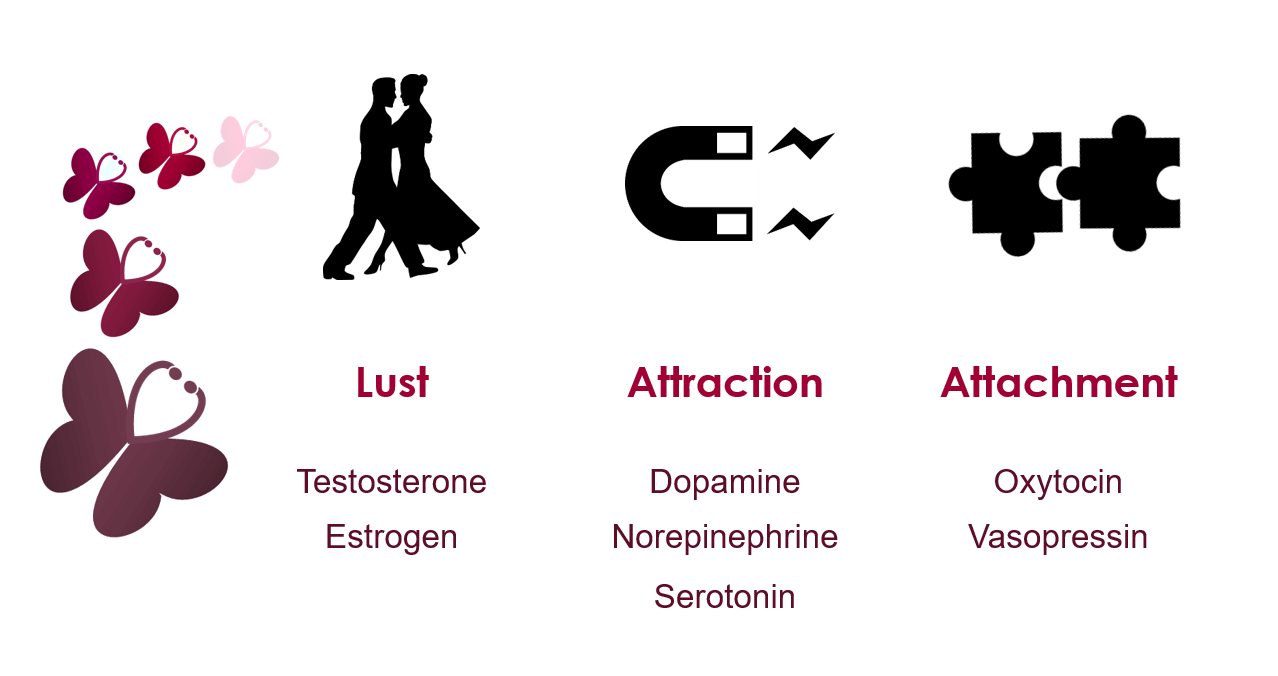
Oxytocin’s Impact on Romantic Relationships: Myth or Science?

Oxytocin, often known as the “love hormone,” is a peptide hormone recognized for strengthening social bonds and trust. Beyond its association with affection and relationships, it impacts stress reduction, sleep improvement, and mood enhancement. In skincare, oxytocin shows potential in anti-aging by boosting skin elasticity and cell regeneration, offering a youthful glow and diminishing wrinkles. Researchers are further exploring its therapeutic roles in mental health, presenting promising possibilities for future applications.
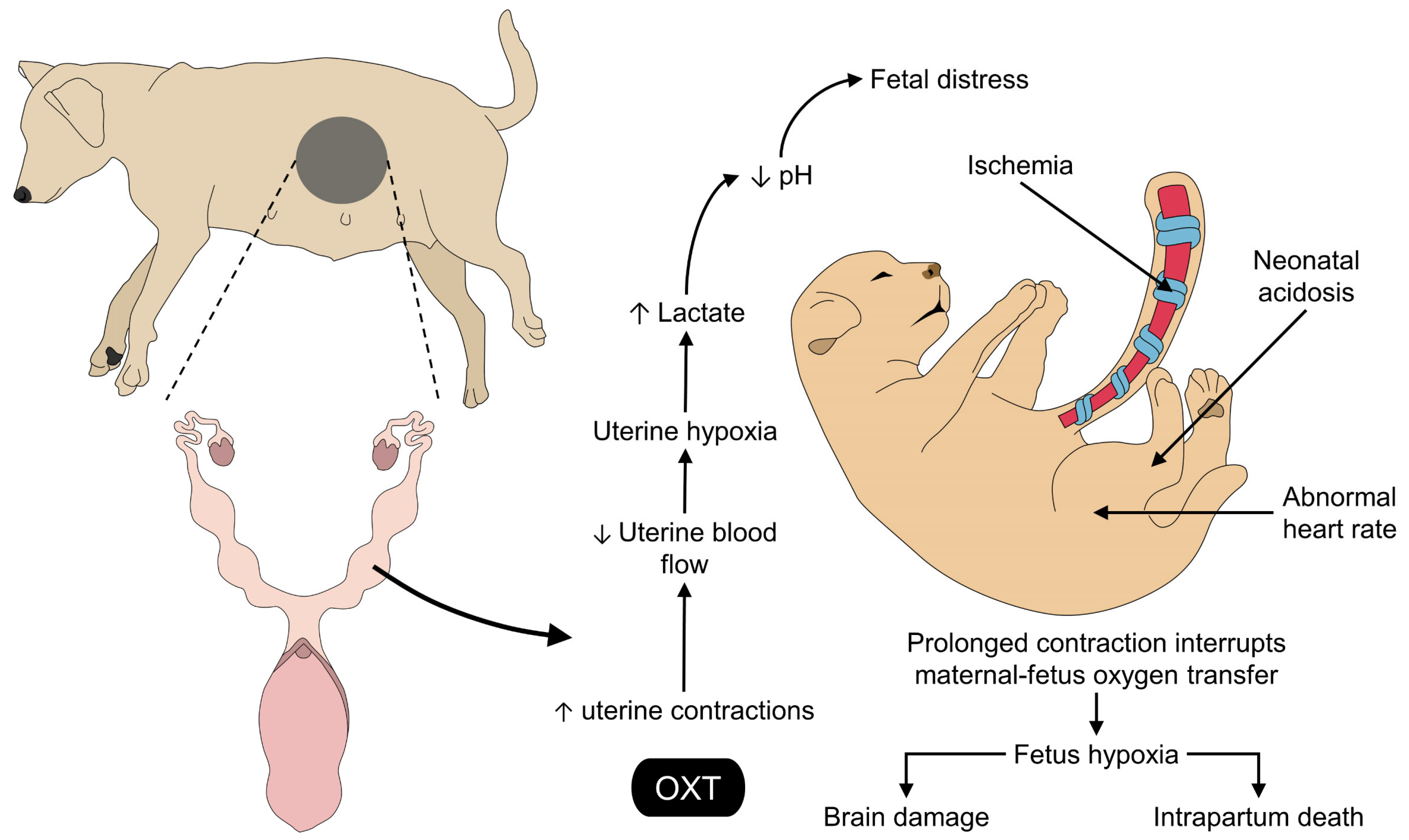
From Animals to Humans: The Universality of Oxytocin’s Effects

Oxytocin, known as the “love hormone,” is a neurotransmitter produced in the hypothalamus and released by the pituitary gland. It is vital for social bonding, reproduction, and childbirth, where it aids in uterine contractions and milk ejection. Oxytocin also promotes trust and emotional connections, influencing empathy and relationship maintenance. Its therapeutic potential in mental health, such as anxiety and depression, is under exploration, though more research is required to understand its mechanisms fully.

Understanding Oxytocin’s Role in Social Interactions

Oxytocin is often hailed as the “love hormone” due to its significant role in social bonding, reproduction, and the establishment of trust between individuals. This powerful neurotransmitter is produced in the hypothalamus and released into the bloodstream by the pituitary gland. Its effects can be profound, influencing our behaviors and emotional states markedly. In thisRead More

Select Wishlist

    Left Menu Icon
    Your Cart