Arch Allies: How Your Foot’s Structure Supports Every Step

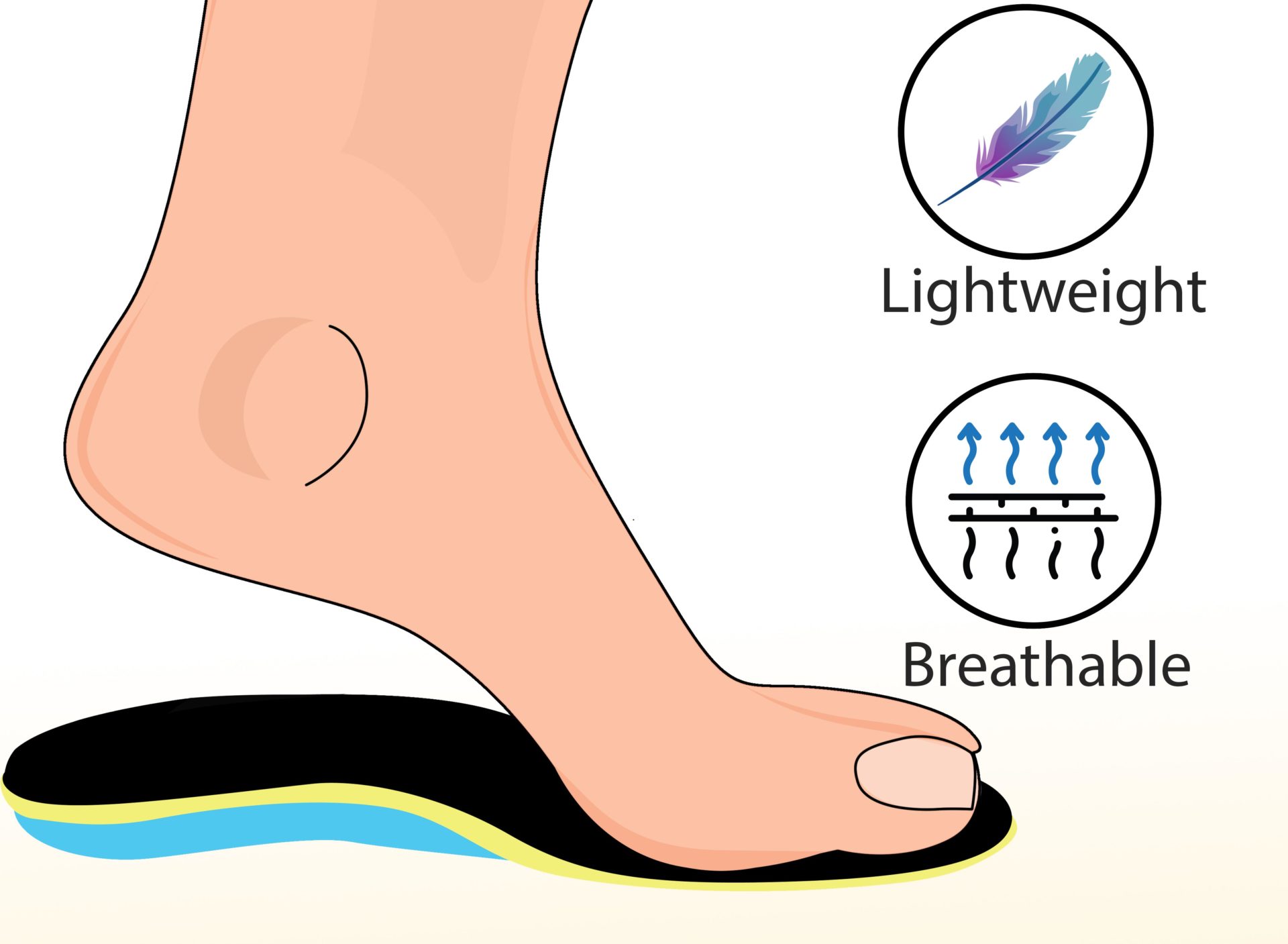
The arch of the foot is a marvel of anatomical engineering, providing both strength and flexibility. It comprises three sections: the medial, lateral, and transverse arches, each crucial for supporting weight and shock absorption. The medial arch, the most prominent, spans from heel to ball, involving the talus, navicular, and cuneiform bones. Its spring-like properties help absorb impact, reducing stress on legs and spine. Dysfunction can lead to overpronation or underpronation, causing discomfort or injury, highlighting its critical role in daily and athletic activities.
Unveiling the Secrets of the Sodium-Potassium Pump

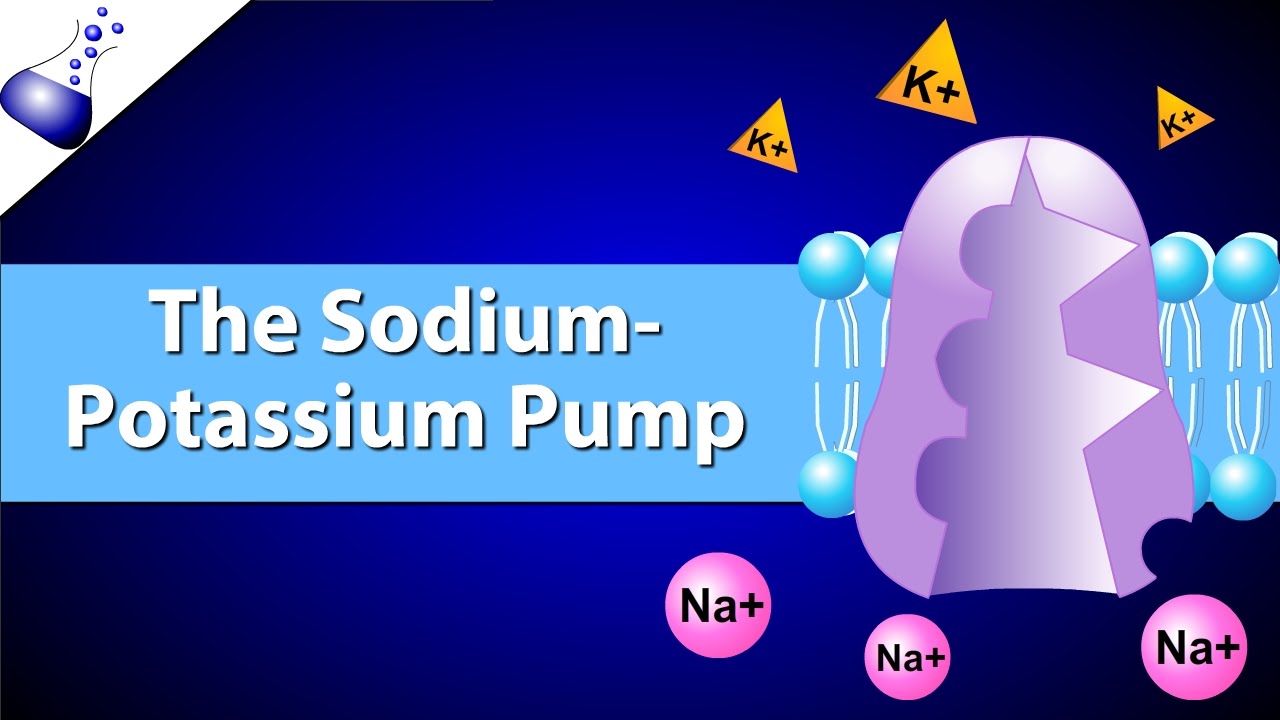
The sodium-potassium pump, also known as the Na+/K+ ATPase, is a crucial enzyme for maintaining electrochemical gradients across cell membranes, using ATP to transport three sodium ions out and two potassium ions into the cell. This process regulates cell volume and resting membrane potential, key for nerve impulse transmission and muscle contraction. By ensuring a higher sodium concentration outside and a higher potassium concentration inside, the pump supports physiological processes like nutrient absorption and cellular homeostasis, and is vital for the excitability of nerve and muscle tissues.

Eccentric contractions

Eccentric contractions are a type of muscle contraction where the muscle lengthens under tension, typically occurring when the muscle is acting to control or decelerate a movement. This form of contraction is opposed to concentric contractions, where the muscle shortens, and isometric contractions, where the muscle length remains the same. Eccentric contractions are common in activities involving lowering weights, such as the downward motion of a bicep curl or the deceleration phase of running downhill.

Understanding Oxytocin’s Role in Social Interactions

Oxytocin is often hailed as the “love hormone” due to its significant role in social bonding, reproduction, and the establishment of trust between individuals. This powerful neurotransmitter is produced in the hypothalamus and released into the bloodstream by the pituitary gland. Its effects can be profound, influencing our behaviors and emotional states markedly. In thisRead More

Oxytocin: The Chemical Key to Trust and Bonding

Oxytocin, often referred to as the “love hormone,” is a neuropeptide produced in the hypothalamus and released via the posterior pituitary gland. It plays a crucial role in social bonding, sexual reproduction, childbirth, and the period after childbirth. This naturally occurring hormone is known for its profound influence on various psychological and physical processes, makingRead More

Bodybuilding to Medicine: The Evolving Use of Anabolic Steroids

From Bodybuilding to Medicine: The Evolving Use of Anabolic Steroids   Anabolic steroids have long been associated with the world of bodybuilding and professional sports, notorious for their misuse and potential health risks. However, their origins and applications are much broader, encompassing legitimate medical uses and evolving understanding in both clinical and performance contexts. AsRead More

Select Wishlist

    Left Menu Icon
    Your Cart