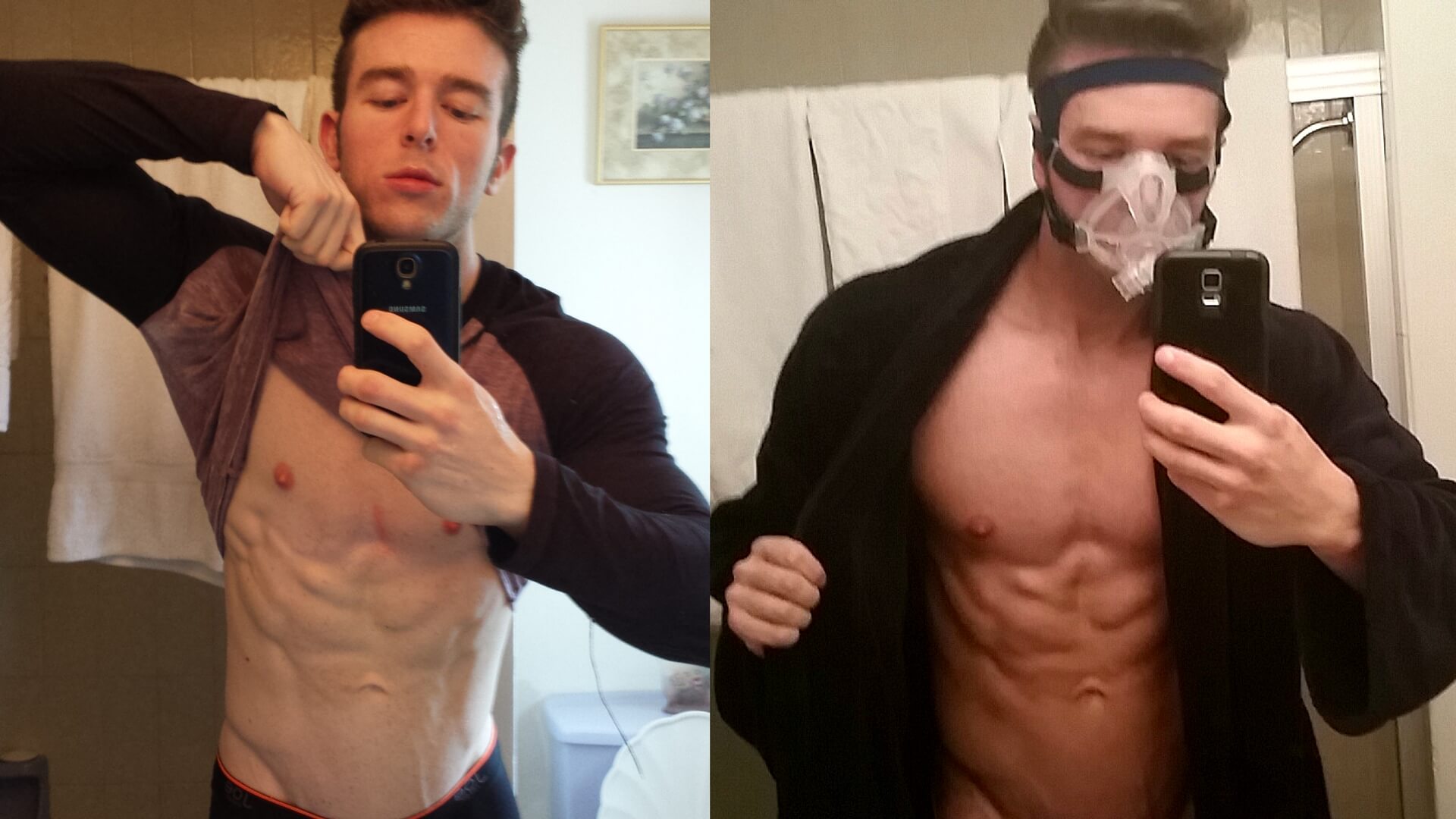
The Ethics of Melanotan II: Navigating Tanning Practices in a Health-Conscious World

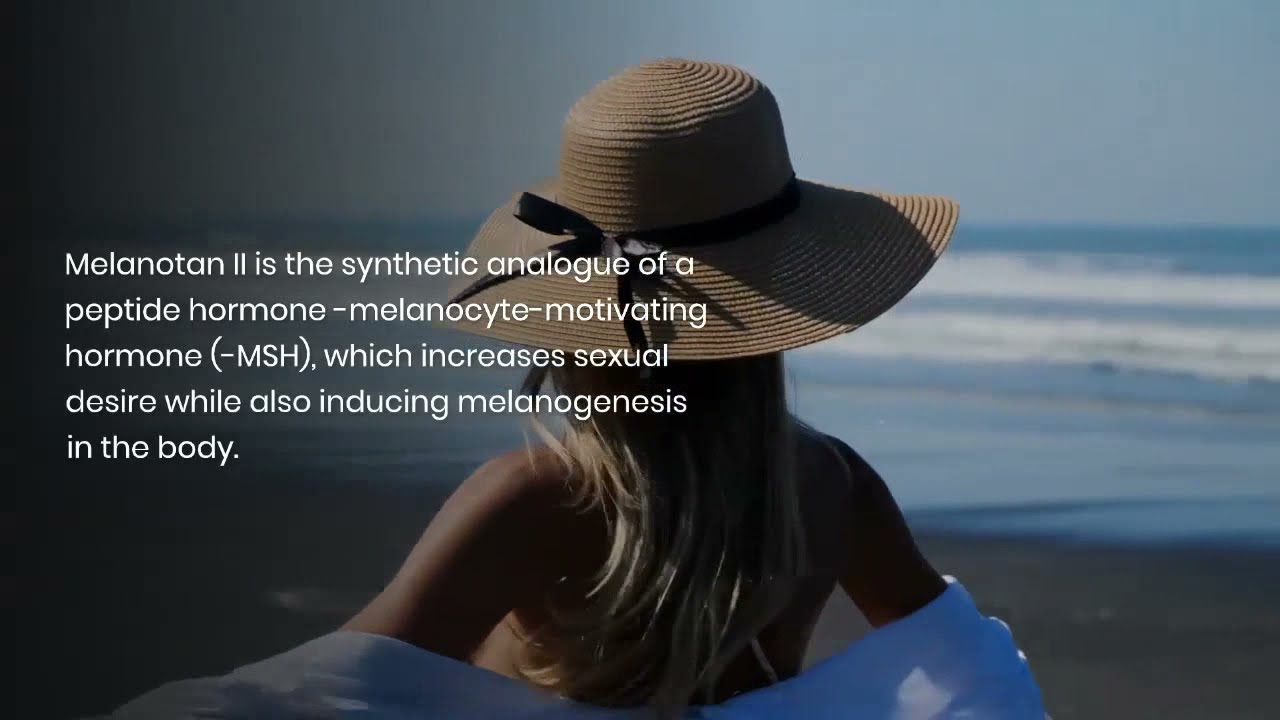
Melanotan II, a synthetic analog of the peptide hormone α-MSH, has garnered attention for its sunless tanning and potential weight loss benefits. Initially developed in the 1980s to prevent skin cancer by increasing melanin, it is also noted for appetite suppression and libido enhancement. Despite these features, Melanotan II faces controversy due to lack of FDA approval and limited research on long-term effects. Potential side effects include nausea and skin changes, urging users to consult healthcare professionals. It’s a blend of beauty and scientific curiosity that necessitates cautious exploration.
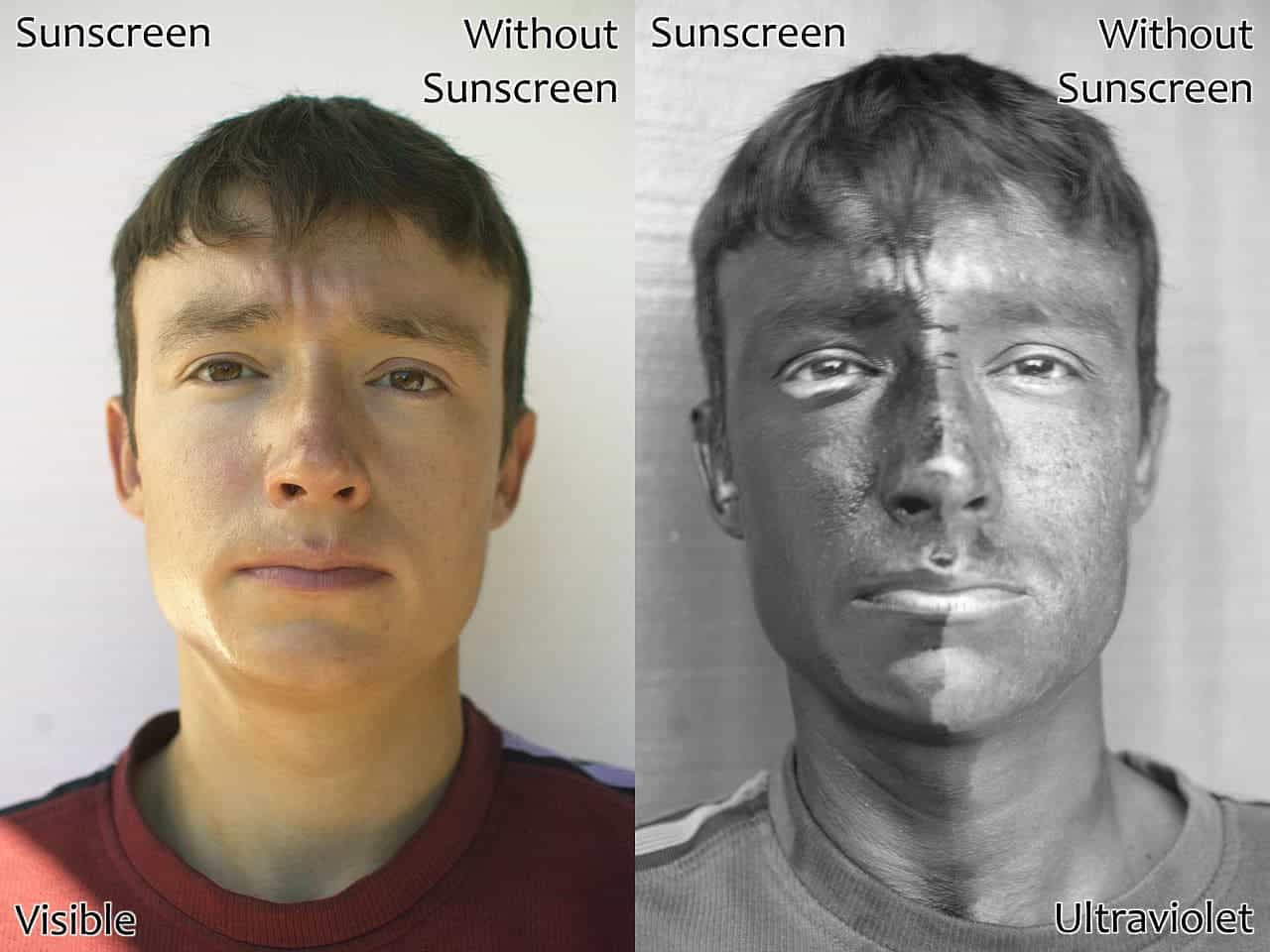
Tanning Without Sun: Melanotan’s Role in the Fight Against UV Damage

Melanotan is a lab-engineered peptide that mimics the hormone responsible for melanin production, encouraging a tan without excessive sun exposure. Beyond tanning, it may offer benefits like anti-aging properties and appetite control. However, potential side effects such as nausea and increased pigmentation highlight the need for medical consultation. Regulatory bodies caution against its use, emphasizing the importance of informed decisions. Despite interest in its skincare and wellness applications, careful consideration is essential before incorporating Melanotan into one’s routine.

Melanotan II and Skin Cancer: Separating Fact from Fiction

Melanotan II is a synthetic analog of the naturally occurring hormone α-melanocyte-stimulating hormone (α-MSH). Initially developed for skin cancer prevention by enhancing the body’s natural tanning mechanisms, it increases melanin production, which darkens the skin and provides a protective barrier against UV rays. Additionally, it’s noted for effects on appetite suppression and libido enhancement. Despite its availability through grey markets, Melanotan II remains unapproved by major medical bodies like the FDA due to concerns over safety and potential side effects.

Melanotan vs. Traditional Tanning Methods: Which Is Safer?

Melanotan is a synthetic analog of a naturally occurring hormone known for stimulating skin pigment production. Developed initially as a photoprotective agent to combat skin cancer, it allows for a tanned appearance without harmful UV exposure. However, Melanotan is not approved for use in many countries due to safety concerns and possible side effects such as nausea, appetite loss, and increased blood pressure. It’s critical to weigh the aesthetic benefits against potential health risks and legal implications before considering use.

Understanding Melanotan II: Myths, Facts, and Safety Concerns

Melanotan II is a synthetic analog of alpha-melanocyte-stimulating hormone (α-MSH), primarily known for its tanning effects. It works by boosting melanin production, providing a sunless tanning option. Beyond aesthetics, it has been linked to increased libido and potential appetite suppression. However, Melanotan II is unregulated in many areas; thus, safety concerns exist. Reported side effects include nausea and blood pressure changes, among others. Caution and medical consultation are advised as its use comes with both potential benefits and risks.

The Dark Side of Tanning: Health Implications of Melanotan Use

Melanotan, often called the “Barbie Drug,” is a synthetic peptide gaining attention in fitness circles for its tanning effects by boosting melanin. It mimics melanocyte-stimulating hormone, binding to receptors for darker skin without UV exposure. Besides tanning, it’s linked to appetite suppression and increased libido. Yet, its risks include nausea and hyperpigmentation, coupled with legal controversies. Users are urged to consult healthcare providers, recognizing its unregulated status and potential side effects. Caution is advised due to limited long-term safety studies.

Understanding Melanotan: An In-Depth Guide

Melanotan is a synthetic peptide that mimics the alpha-melanocyte-stimulating hormone, aimed at promoting skin tanning. This compound, available as Melanotan I and Melanotan II, was initially designed to encourage melanin production for potential skin cancer prevention. While Melanotan II also suppresses appetite and boosts libido, it has notable side effects such as nausea. Despite its appeal for achieving tans without sun exposure, Melanotan lacks FDA approval, highlighting legal and health concerns due to insufficient research. Consumers should seek medical advice before use.

The Rise of Melanotan II: Why Are People Turning to Tanning Injections?

In the ever-evolving landscape of cosmetic and therapeutic treatments, Melanotan II has emerged as a compound of interest for many looking to enhance their skin tone or explore therapeutic benefits. Initially developed in the 1980s, Melanotan II is a synthetic analog of the alpha-melanocyte-stimulating hormone. With its ability to stimulate melanin production, it offers anRead More

Select Wishlist

    Left Menu Icon
    Your Cart