The Dark Side of Oxytocin: Jealousy and In-Group Bias

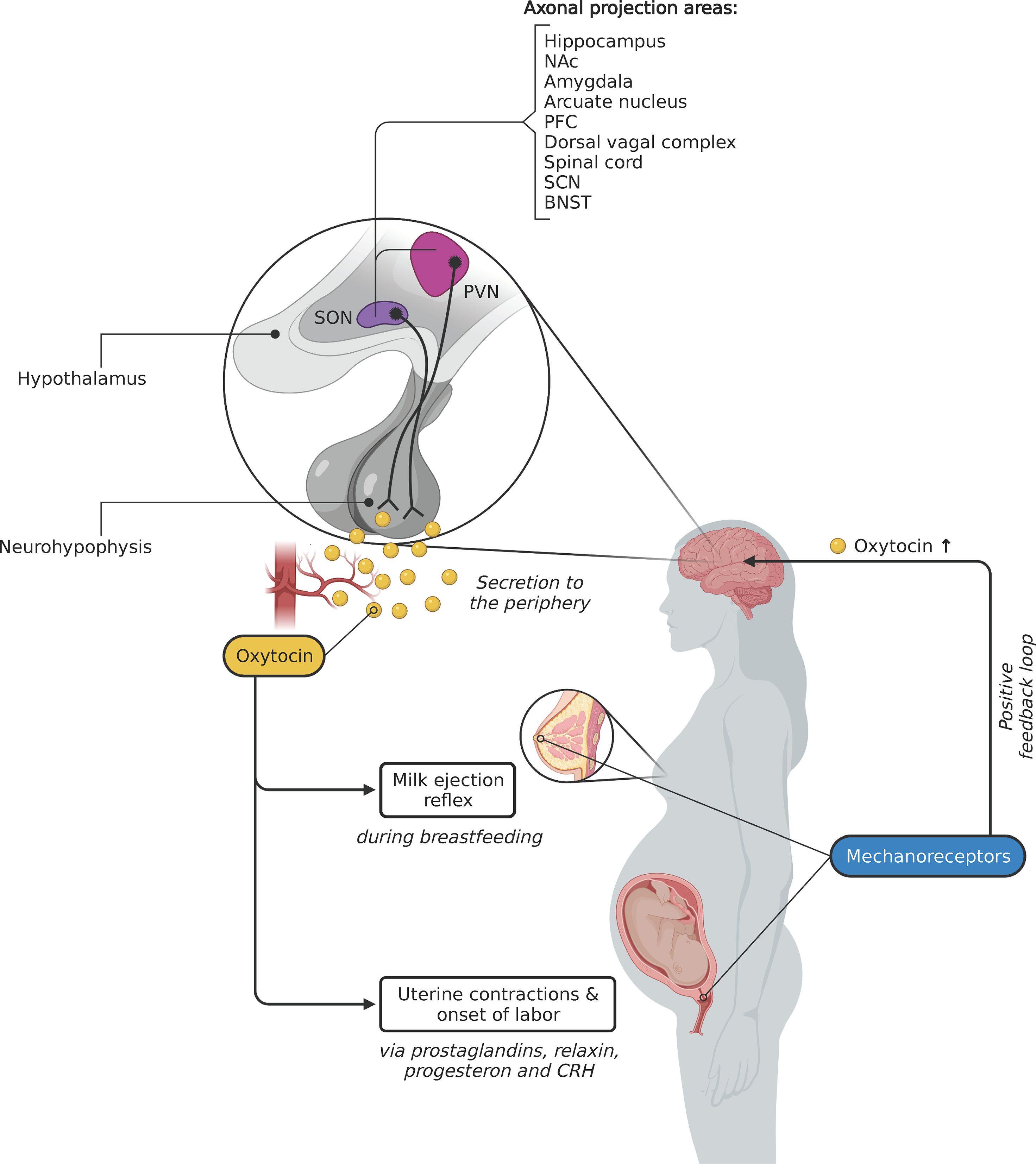
Oxytocin, often called the “love hormone,” is key in human bonding and emotional ties. This peptide hormone is produced in the hypothalamus and secreted by the pituitary gland. While it’s known for aiding childbirth and lactation, recent studies highlight its benefits in dermatology and wellness. Oxytocin promotes collagen production, reduces inflammation, and enhances stress relief, impacting skin health and overall well-being. It also shows potential in muscle recovery and growth, attracting interest in fitness and bodybuilding circles. Its evolving roles suggest promising applications in holistic health.
Oxytocin and Stress: A Hormonal Perspective on Well-Being

Oxytocin, often called the “love hormone,” is a peptide linked to social bonding, childbirth, and maternal behaviors. It’s produced in the hypothalamus and released by the pituitary gland, playing crucial roles in labor and breastfeeding. Moreover, oxytocin fosters emotional connections, trust, and empathy while reducing stress and anxiety. This hormone is pivotal in promoting positive social behaviors and is being studied for potential treatments for social disorders like autism. However, its effects are complex, as it can also lead to favoritism towards in-group members.

Harnessing the Power of Oxytocin: Potential Therapeutic Uses

Oxytocin, known as the “love hormone,” is a peptide with significant roles beyond romantic bonding. It acts on the brain to foster trust and empathy, crucial in social and romantic connections. Beyond natural production, oxytocin supplements are being recognized for benefits in beauty, wellness, weight management, and more. Emphasizing its potential in skincare and weight loss, oxytocin emerges as a holistic addition to health, illustrating the link between hormonal balance and overall vitality.

Select Wishlist

    Left Menu Icon
    Your Cart